




What's Happening?
U.S. consumer inflation rose by 0.4% in October, surpassing economists' expectations of a 0.3% increase, according to the Bureau of Labor Statistics (BLS). Core inflation, which excludes volatile food and energy prices, also rose by 0.3%, slightly above
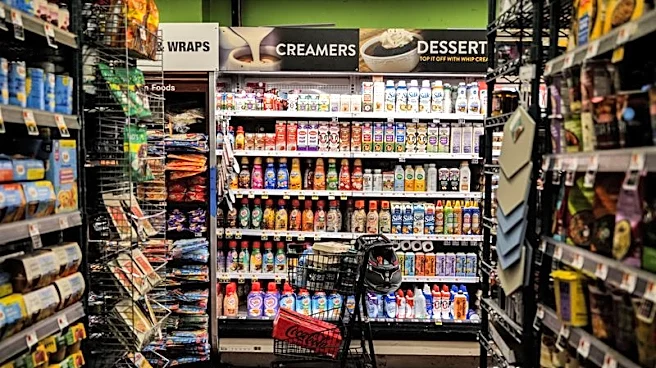
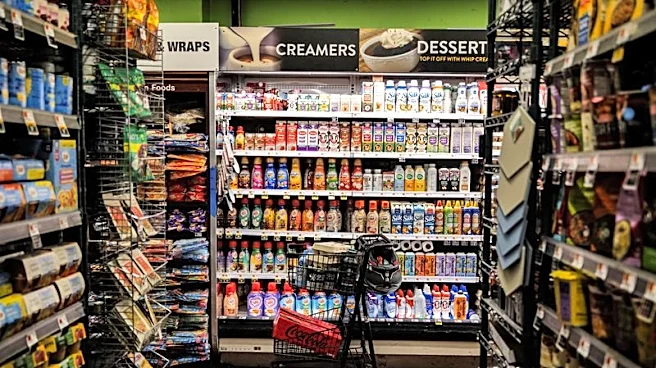
the 0.2% estimate. The BLS was unable to provide annual inflation figures due to a government shutdown in October 2025 that disrupted data collection. Energy prices saw a monthly increase of 0.7%, a significant slowdown from September's 5.2% rise, with gasoline prices up 1%. However, food prices increased by 0.5%, the largest monthly gain since April, driven by rises in meats, poultry, fish, beef, veal, eggs, fruits, and vegetables. Housing prices also increased by 0.3%. This broad-based inflationary pressure has led economists to anticipate a Federal Reserve interest rate hike in December.
Why It's Important?
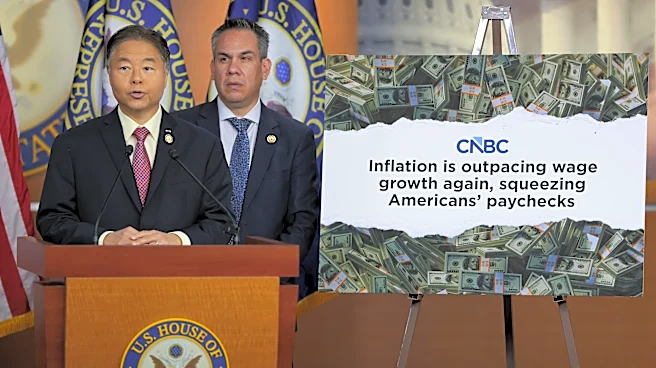
The higher-than-expected inflation in October signals persistent financial pressures on U.S. households, particularly lower-income Americans who spend a larger portion of their income on necessities like food and rent. The continued rise in prices for essential goods and services erodes purchasing power and can lead to a decrease in living standards. For the Federal Reserve, this report strengthens the case for further monetary tightening. Economists like Gregory Daco of EY-Parthenon and Heather Long of Navy Federal Credit Union suggest that the 'hotter and broader' inflation report makes a December rate hike almost certain. The market is currently pricing in an 87.3% probability of a 25-basis-point hike, indicating that financial markets are bracing for increased borrowing costs, which could impact consumer spending and business investment.
What's Next?
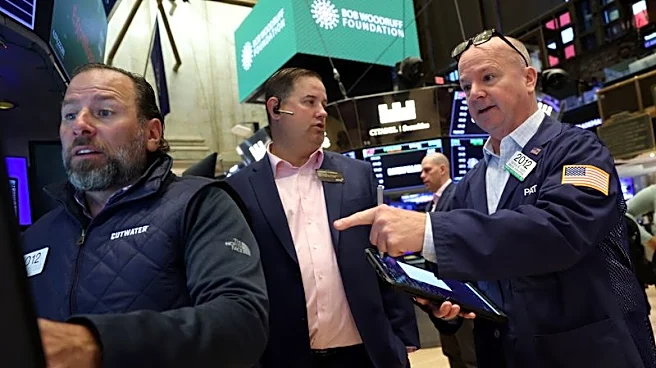
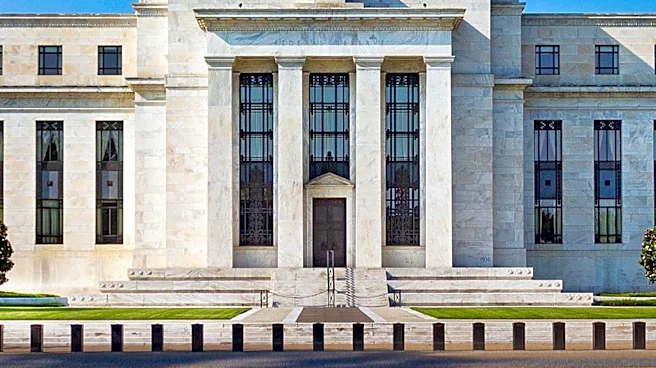
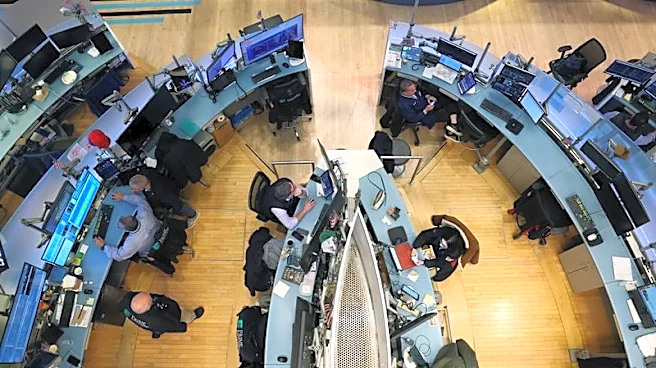
The Federal Reserve is scheduled to hold its next monetary policy meeting on December 8-9. Following the October CPI report, policymakers are widely expected to raise interest rates. The market anticipates a 25-basis-point hike, which would bring the target range to 4% to 4.25%. This potential rate hike aims to curb inflation and restore price stability, but it could also lead to higher borrowing costs for consumers and businesses. The stock market reacted negatively to the inflation data, with the S&P 500, Dow Jones Industrial Average, and Nasdaq Composite all experiencing declines. Future economic reports, particularly those related to employment and consumer spending, will be closely watched for further indications of inflation trends and the Federal Reserve's next moves.
Beyond the Headlines
The sustained inflation, particularly in essential categories like food and housing, highlights a deeper challenge for economic policymakers: balancing price stability with economic growth. While energy price increases have moderated, the broad-based nature of inflation suggests that underlying economic factors are contributing to rising costs beyond just volatile sectors. The inability to provide annual inflation figures due to a past government shutdown also underscores the importance of consistent data collection for accurate economic analysis and policy formulation. The ongoing struggle with inflation could lead to a prolonged period of higher interest rates, potentially impacting long-term investment decisions, consumer savings, and the overall trajectory of the U.S. economy. The disproportionate impact on lower-income households also raises questions about economic inequality and the need for targeted support measures.