


What's Happening?
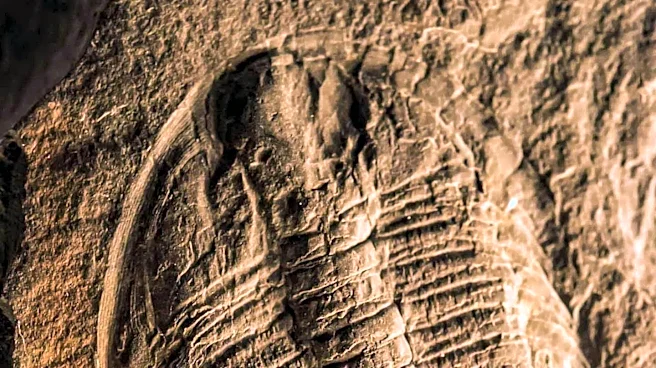
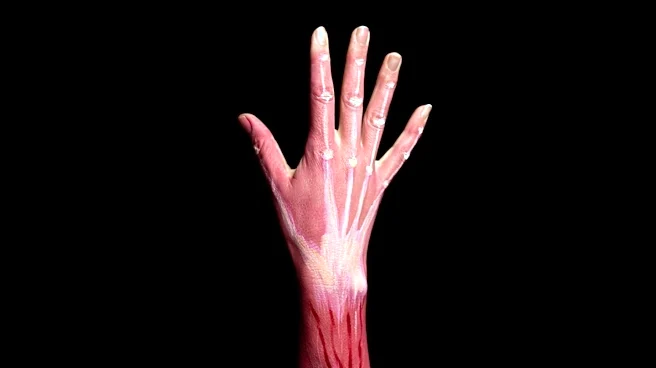
A study led by researchers from the Max Planck Institute for Evolutionary Anthropology and Karolinska Institutet has found that a Neanderthal-derived growth hormone receptor can increase muscle mass in modern humans. The receptor, which has two key changes
absent in modern humans, leads to a stronger response to growth hormone. This variant is prevalent in South and East Asian populations, with up to 24% of people in some South Asian groups carrying it. The study found that adults with this receptor variant have, on average, 270 grams more muscle mass. The effect of this receptor becomes noticeable after childhood, suggesting its influence emerges during puberty.
Why It's Important?
The findings highlight the lasting impact of Neanderthal genetics on modern human physiology. Understanding how ancient genetic variants influence contemporary human traits can provide insights into human evolution and health. This particular receptor's effect on muscle mass could have implications for understanding metabolic processes and conditions related to muscle growth and maintenance. The study also emphasizes the complexity of human genetic heritage, showing how interbreeding with Neanderthals has left a tangible legacy in modern populations. This research could pave the way for further studies on the role of ancient genes in modern health and disease.