





What's Happening?
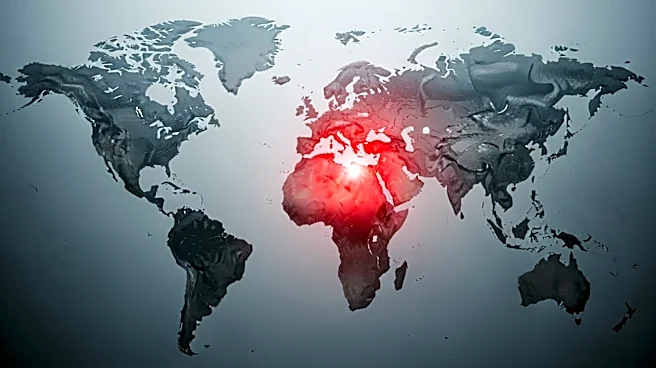
The International Monetary Fund (IMF) has issued a warning about the economic repercussions of the ongoing war in Iran, highlighting its potential to slow global growth and increase inflation. The IMF's latest forecast predicts a global economic growth rate
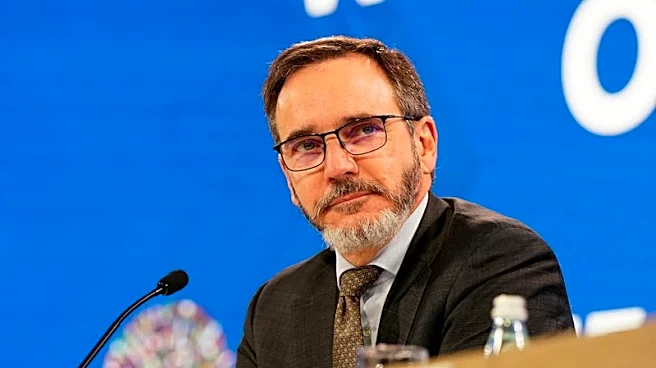
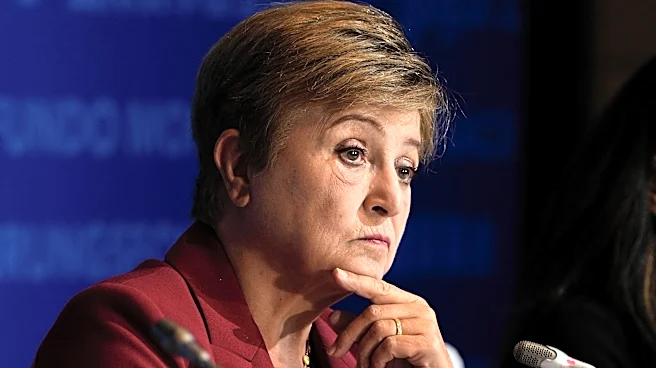
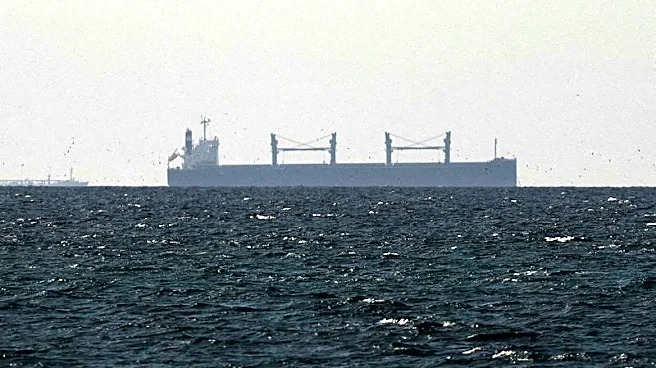
of 3.1% for the year, a reduction from previous estimates due to the conflict. The war has led to disruptions in energy supplies, particularly affecting oil prices, which have surged as a result. The IMF's report suggests that if the conflict continues, global growth could further decline to 2.5%, with inflation potentially rising to 5.4%. The U.S. economy is expected to grow at a rate of 2.3%, slightly lower than earlier projections. The report was released during the IMF and World Bank's annual spring meetings in Washington, where finance ministers and central bank chiefs are discussing the global economic outlook.
Why It's Important?
The IMF's warning underscores the significant impact that geopolitical conflicts can have on the global economy. The war in Iran has already led to increased energy prices, which could strain economies worldwide, particularly those heavily reliant on energy imports. The potential for prolonged conflict raises concerns about sustained inflation and economic instability, which could affect consumer prices and living costs. For the U.S., the slight reduction in growth projections indicates potential challenges in maintaining economic momentum amid global uncertainties. The situation also highlights the interconnectedness of global markets, where disruptions in one region can have far-reaching effects on others.
What's Next?
If the conflict in Iran persists, it could lead to further economic disruptions, particularly in energy markets. Policymakers may need to consider measures to mitigate the impact of rising energy prices and inflation. Central banks might face pressure to adjust interest rates to control inflation, while governments could be compelled to implement fiscal policies to support affected industries and consumers. The ongoing situation will likely be a key topic of discussion among global economic leaders, as they seek to navigate the challenges posed by the conflict and its economic fallout.