



What's Happening?
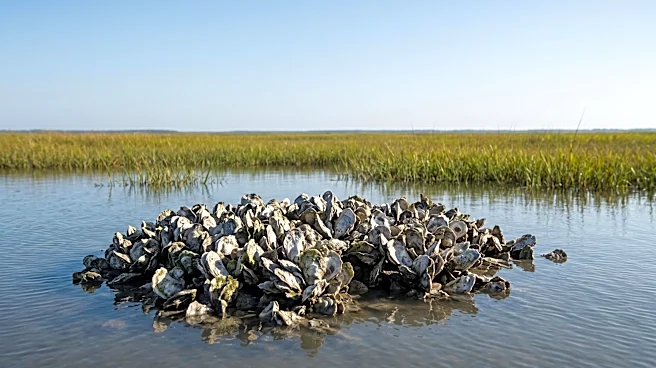
Georgia has extended its annual wild oyster harvest closure beyond the typical September 30 deadline due to unusually warm ocean temperatures. This marks only the second time the state has prolonged the closure, with the previous instance occurring in 2018.
The Georgia Department of Natural Resources, through its shellfish and water quality program manager Dominic Guadagnoli, stated that the warm water conditions allow dangerous bacteria to flourish, necessitating the extension to ensure public safety. Guadagnoli noted that a hot summer and the absence of major storms, which typically cool waters, contributed to the prolonged warmth. While wild oyster harvesting is restricted, a formal system for farmed oysters has been implemented since the last extension. This system allows permitted companies, such as Tybee Oyster Company, to continue harvesting as they can control the conditions for their oysters, ensuring safety even during the closure period. Officials are continuously monitoring ocean temperatures and will reopen the harvest once conditions are deemed safe.
Why It's Important?
This extended closure highlights the direct impact of changing environmental conditions, specifically rising ocean temperatures, on local economies and public health in coastal regions. The decision to extend the closure underscores the state's commitment to food safety, preventing potential outbreaks of illnesses linked to contaminated shellfish. For the wild oyster industry, this means continued economic disruption, affecting harvesters and related businesses that rely on the natural oyster beds. Conversely, the development of a formal system for farmed oysters demonstrates an adaptive strategy within the industry, allowing some businesses to mitigate the effects of environmental changes. This distinction between wild and farmed oyster regulations could lead to a shift in market dynamics, potentially favoring aquaculture operations that can guarantee product safety regardless of natural environmental fluctuations. It also emphasizes the broader implications of climate patterns on natural resource management and the need for flexible regulatory frameworks.
What's Next?
Officials from the Georgia Department of Natural Resources will continue to closely monitor ocean temperatures. The wild oyster harvest will only reopen once these temperatures have cooled sufficiently to ensure the safety of the oysters for consumption. The duration of this extended closure remains uncertain, as it is entirely dependent on environmental conditions. Stakeholders in the wild oyster industry will need to adapt to this ongoing uncertainty, potentially exploring alternative income streams or advocating for support programs. Meanwhile, permitted farmed oyster operations will likely continue to supply the market, potentially gaining a larger share during this period. This situation may also prompt further discussions and research into the long-term effects of climate change on marine ecosystems and the sustainability of traditional harvesting practices.
Beyond the Headlines
The extended oyster harvest closure in Georgia serves as a tangible example of how climate change, specifically rising ocean temperatures, directly impacts local ecosystems, economies, and public health. Beyond the immediate economic concerns for wild oyster harvesters, this event highlights the broader challenge of managing natural resources in an era of unpredictable environmental shifts. It also brings to light the ethical considerations surrounding food safety and the responsibility of state agencies to protect consumers. The emergence of regulated oyster farming as a more resilient alternative to wild harvesting could signal a long-term shift in how seafood is sourced and managed, potentially leading to increased investment in aquaculture. This situation could also spark greater public awareness and policy discussions regarding climate adaptation strategies for coastal communities and industries reliant on marine environments.