



What's Happening?
A recent population-based cohort study has found a significant association between osteoporosis and an increased risk of dementia among older adults. The study, which involved 176,150 Chinese participants, revealed that individuals with osteoporosis are
more likely to develop dementia, including Alzheimer's disease (AD) and vascular dementia (VD). The research controlled for various potential confounders and found that the risk was particularly pronounced in those with a history of osteoporotic fractures. The study also noted that osteoporosis medications might help mitigate this risk. The findings align with previous research suggesting a link between low bone mineral density and cognitive decline.
Why It's Important?
This study highlights the potential for osteoporosis to serve as a predictor for dementia, emphasizing the need for integrated healthcare approaches that address both bone health and cognitive function. As both osteoporosis and dementia are prevalent among the elderly, understanding their connection could lead to better prevention and management strategies. The research suggests that monitoring cognitive health in patients with osteoporosis could be crucial, especially given the shared risk factors such as aging, smoking, and physical inactivity. The findings could influence public health policies and clinical practices, encouraging more comprehensive geriatric assessments.
What's Next?
Further research is needed to explore the causal mechanisms linking osteoporosis and dementia. The study suggests that osteoporosis medications might have neuroprotective effects, but more interventional studies are required to confirm this hypothesis. Healthcare providers may need to consider routine cognitive assessments for patients with osteoporosis, particularly those with fracture histories. Additionally, public health initiatives could focus on early detection and treatment of osteoporosis to potentially reduce dementia risk.
Beyond the Headlines
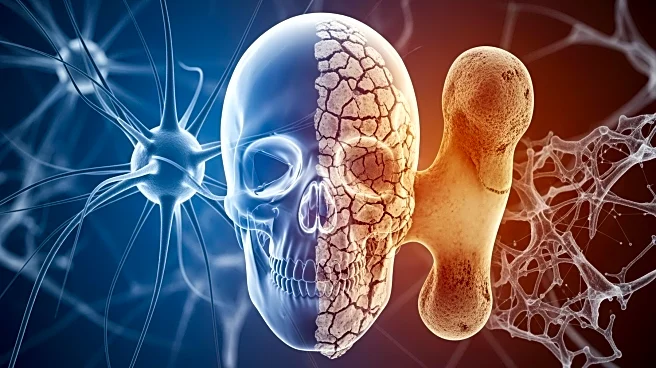
The study underscores the importance of the 'bone-brain axis,' where bone health impacts cognitive function. This connection could open new avenues for therapeutic interventions targeting both osteoporosis and dementia. Understanding the biological pathways involved, such as the role of bone-derived signaling molecules, could lead to novel treatments. The research also highlights the need for increased awareness and education about the risks associated with osteoporosis, particularly in populations with lower health literacy.