
What's Happening?
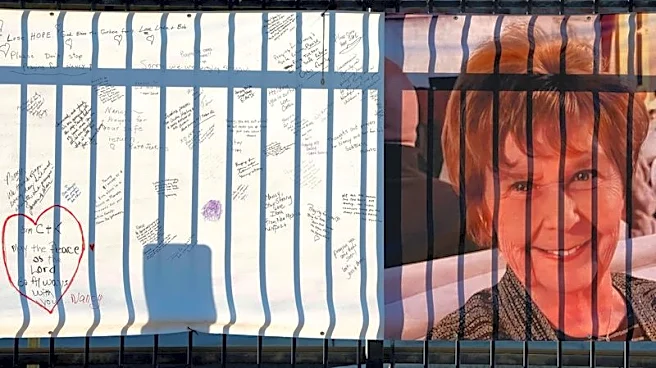
Laverda Sorrell, a 44-year-old mother of three from the Navajo Nation, went missing on July 4, 2002. She was reportedly last seen when her husband dropped her off at her office in Fort Defiance, Arizona.
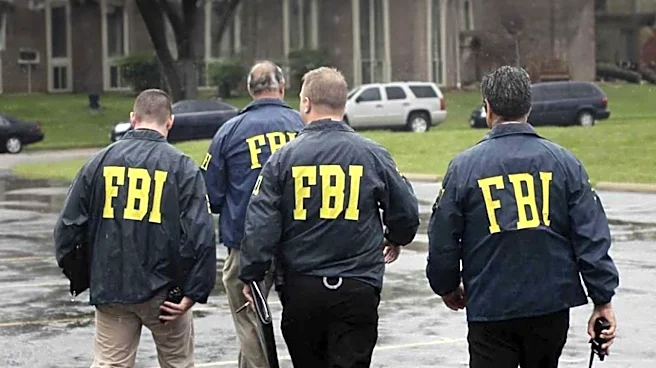
Her disappearance has remained unsolved for over two decades, with the FBI currently leading the investigation. Sorrell was known as a dedicated family member and a successful employee at a local school district. Her family, who reported her missing on July 8, 2002, has been actively seeking answers and has participated in searches and advocacy events. The FBI has listed her case on their website and is offering a reward for information leading to the resolution of her case.
Why It's Important?
The case of Laverda Sorrell highlights the broader issue of missing and murdered Indigenous women in the United States, a crisis that has garnered increasing attention in recent years. The lack of resolution in Sorrell's case underscores systemic challenges in addressing such disappearances, including jurisdictional complexities and resource limitations. The ongoing investigation by the FBI reflects a commitment to resolving these cases, but also points to the need for continued advocacy and policy changes to better protect Indigenous communities. The family's persistent efforts to find answers demonstrate the personal and communal impact of unresolved disappearances.
What's Next?
The FBI continues to seek public assistance in solving Laverda Sorrell's case, offering a reward for information that could lead to an arrest and conviction. The family remains hopeful for closure and continues to participate in advocacy efforts to raise awareness about missing Indigenous women. The case may prompt further discussions on improving investigative processes and support systems for Indigenous communities. As the investigation progresses, potential developments could influence policy changes aimed at preventing similar cases in the future.
Beyond the Headlines
Laverda Sorrell's disappearance is part of a larger narrative concerning the safety and rights of Indigenous women in the U.S. The case highlights cultural and familial bonds within the Navajo Nation, as well as the enduring impact of unresolved cases on families and communities. It also raises questions about the effectiveness of current legal frameworks and the need for culturally sensitive approaches in law enforcement. The ongoing advocacy by Sorrell's family and others may contribute to long-term shifts in public awareness and policy regarding Indigenous issues.