








What's Happening?
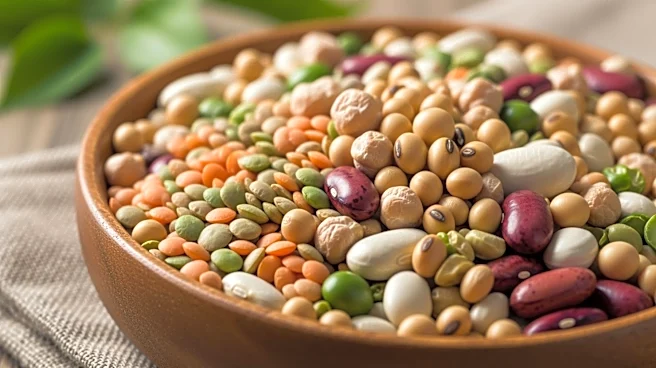
A recent analysis published in BMJ Nutrition Prevention & Health suggests that higher consumption of soy foods and legumes may significantly reduce the risk of high blood pressure. The study reviewed data from 12 prospective observational studies, involving
participants from the United States, Asia, and Europe. It found that individuals with the highest intake of legumes were 16% less likely to develop high blood pressure, while high soy consumption was linked to a 19% lower risk. The research highlights the potential health benefits of consuming about 170 grams of legumes and 60 to 80 grams of soy foods daily. These foods are rich in nutrients like potassium, magnesium, and dietary fiber, which are associated with lower blood pressure.
Why It's Important?
The findings of this study have significant public health implications, especially given the global rise in hypertension prevalence. By identifying soy and legumes as beneficial dietary components, the research supports the promotion of plant-based diets for cardiovascular health. This could influence dietary guidelines and public health policies, encouraging increased consumption of these foods. The study also provides practical dietary targets that could be integrated into clinical practice, potentially reducing healthcare costs associated with hypertension management.
What's Next?
Further large-scale studies are needed to confirm these findings and explore the biological mechanisms behind the observed benefits. Researchers suggest that future investigations should consider the influence of different legume types, preparation methods, and dietary patterns. Additionally, public health campaigns may focus on increasing awareness and consumption of soy and legumes to combat hypertension.