




What's Happening?
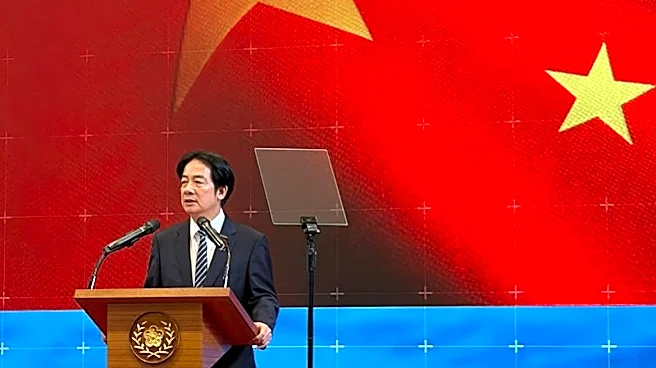
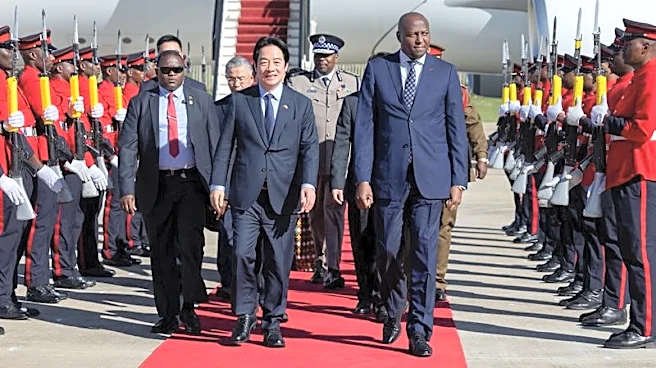
Taiwan's President Lai Ching-te has successfully visited Eswatini, Taiwan's only diplomatic ally in Africa, despite facing significant diplomatic hurdles. The visit, initially scheduled for April 22-26, was delayed after several countries, including Seychelles,
Mauritius, and Madagascar, reportedly withdrew permission for Lai's flight to pass through their airspace. This move was attributed to pressure from China, which opposes Taiwan's international engagements. Despite these challenges, Lai announced his arrival in Eswatini on social media, emphasizing Taiwan's resilience against external pressures. The visit aims to strengthen economic, agricultural, cultural, and educational ties between Taiwan and Eswatini.
Why It's Important?
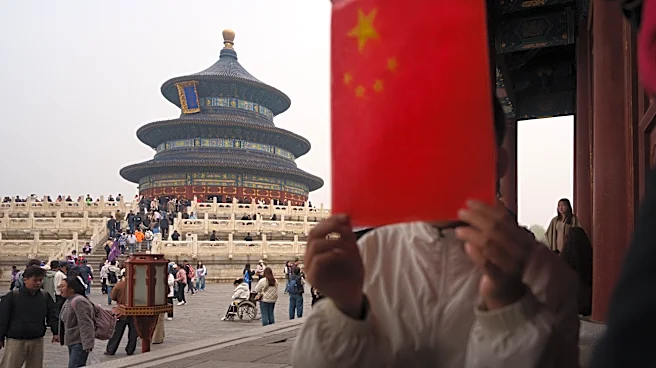
This visit underscores the ongoing geopolitical tensions between Taiwan and China, with the latter viewing Taiwan as part of its territory and opposing its international recognition. Taiwan's diplomatic efforts in Eswatini highlight its strategy to maintain and strengthen ties with its limited number of allies, which currently stands at 12 countries. The visit also reflects Taiwan's determination to assert its sovereignty and engage in international diplomacy despite China's opposition. For the U.S., which supports Taiwan's democratic governance, this development is significant as it aligns with broader geopolitical interests in countering China's influence in Africa and supporting democratic allies.
What's Next?
Following this visit, Taiwan is likely to continue its diplomatic outreach to reinforce its international presence and partnerships. The U.S. and other Western nations may observe these developments closely, potentially offering diplomatic support to Taiwan. China's reaction to this visit could lead to further diplomatic maneuvers, possibly involving increased pressure on Taiwan's allies. The situation may also prompt discussions within international forums about the recognition of Taiwan and the implications for global diplomatic relations.
Beyond the Headlines
The visit highlights the complex dynamics of international diplomacy involving Taiwan, where countries must navigate their relations with both Taiwan and China. This situation raises questions about the influence of major powers on smaller nations' foreign policies and the ethical considerations of diplomatic recognition. The event also reflects broader themes of sovereignty, self-determination, and the challenges faced by smaller states in asserting their international identity amidst pressure from larger powers.