

What's Happening?
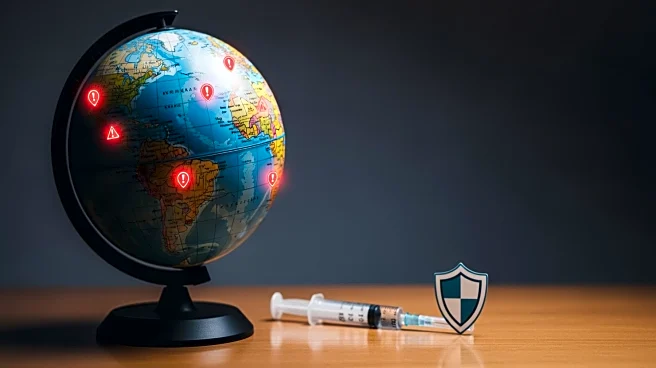
The Centers for Disease Control and Prevention (CDC) has issued a level 2 travel advisory for 32 countries across Europe, Africa, and the Middle East due to the spread of polio. This advisory, released in March 2026, highlights the increasing cases of poliovirus
in these regions. The countries affected include Afghanistan, Algeria, Angola, Benin, Burkina Faso, Cameroon, Central African Republic, Chad, Côte d'Ivoire, Democratic Republic of the Congo, Djibouti, Ethiopia, Finland, Gaza, Germany, Ghana, Guinea, Israel, Niger, Nigeria, Pakistan, Papua New Guinea, Poland, Senegal, Somalia, South Sudan, Spain, Sudan, Tanzania, United Kingdom, Yemen, and Zimbabwe. The CDC advises travelers to ensure they are up to date with their polio vaccinations, and adults traveling to these regions may receive an inactivated polio vaccine booster if they have completed their routine polio vaccine series and have not yet received an adult booster dose.
Why It's Important?
The CDC's travel advisory is significant as it underscores the ongoing global health challenge posed by polio, a disease that can lead to severe health complications, including paralysis and death. The advisory affects international travel plans, urging travelers to take necessary precautions to prevent the spread of the virus. This situation highlights the importance of vaccination in controlling infectious diseases and protecting public health. The advisory also serves as a reminder of the interconnectedness of global health, where outbreaks in one region can have implications worldwide. The travel industry, healthcare providers, and travelers themselves must adapt to these advisories to mitigate risks and ensure safety.
What's Next?
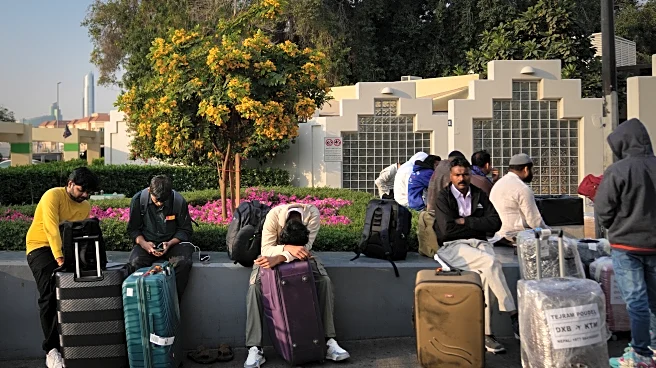
Travelers planning to visit the affected countries are advised to consult healthcare providers for vaccination updates and follow CDC guidelines. The CDC will likely continue to monitor the situation and update travel advisories as necessary. Countries with polio outbreaks may implement additional health measures to control the spread of the virus. International health organizations may also increase efforts to support vaccination campaigns in affected regions to curb the spread of polio. Travelers should stay informed about any changes in travel advisories and health recommendations.