






What's Happening?
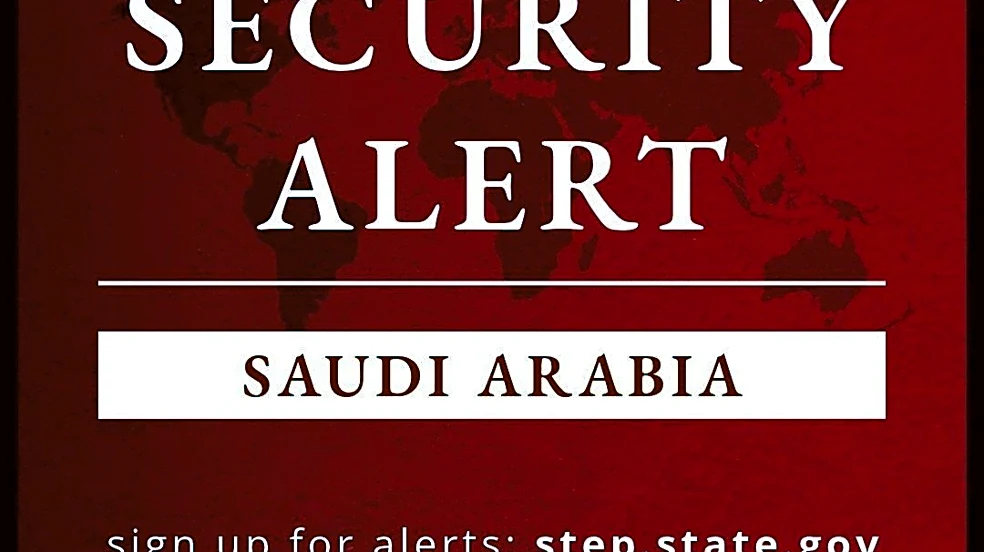
The U.S. State Department has clarified that its recent ordered departure for non-emergency U.S. government employees and their family members applies exclusively to Saudi Arabia, refuting circulating reports of a broader Gulf-wide evacuation. State Department spokesperson
Tommy Pigott dismissed claims of a regional drawdown as "inaccurate." The department's statement confirmed the targeted departure within Saudi Arabia, citing the highly volatile security environment due to hostilities from Iranian-supported Houthis. These hostilities include attacks on civilian airports and critical infrastructure, leading to civilian casualties and travel disruptions. The department emphasized its commitment to the safety and security of its staff and their households, stating it will take all necessary steps to protect and support their return to the U.S. This clarification follows renewed warnings in late September for Americans traveling in the Middle East due to escalating regional tensions, and a similar advisory in June urging vigilance.
Why It's Important?
This clarification from the U.S. State Department is important as it directly addresses and corrects misinformation regarding U.S. government personnel movements in the Middle East. By specifically limiting the evacuation order to Saudi Arabia, the department aims to prevent unnecessary panic or misinterpretation of the security situation across the entire Gulf region. The emphasis on Houthi-led hostilities against Saudi Arabia highlights ongoing regional instability and the specific threats posed to U.S. interests and personnel in that country. For American citizens and businesses operating in other Gulf nations, this clarification provides a more accurate assessment of the immediate security landscape, potentially mitigating unwarranted disruptions to travel and commercial activities. The repeated warnings underscore a persistent concern for the safety of Americans in the region, influencing travel advisories and operational decisions for U.S. entities.
What's Next?
The U.S. State Department will continue to monitor the security situation in Saudi Arabia and the broader Middle East, adjusting travel advisories and security protocols as necessary. Americans in Saudi Arabia affected by the ordered departure will proceed with their return to the U.S. The department's ongoing vigilance suggests that further updates or specific warnings could be issued if the security environment deteriorates or new threats emerge. Travelers to and from the region are advised to remain vigilant, monitor airport and airline operations, and be aware of potential flight cancellations, airspace closures, and travel disruptions. The "Level 3: Reconsider Travel" advisory for Oman, citing risks from armed conflict and terrorism, including drone and missile attacks from Iran, indicates that specific regional threats will continue to be assessed and communicated to the public.
Beyond the Headlines
The State Department's precise clarification regarding the Saudi Arabia evacuation order, amidst broader regional tensions, underscores the delicate balance of diplomatic communication during periods of geopolitical instability. The rapid spread of inaccurate information, as seen with the Gulf-wide evacuation rumors, highlights the challenges faced by government agencies in controlling narratives and ensuring public understanding of complex security situations. This incident also reflects the persistent and evolving nature of threats in the Middle East, particularly those emanating from non-state actors like the Houthi group, which can significantly impact international travel and diplomatic operations. The U.S. government's response demonstrates a commitment to protecting its personnel while also attempting to avoid exacerbating regional anxieties through precise and targeted communications.