





What's Happening?
Michoacán Sen. Celeste Ascencio is facing significant criticism after sharing a photo of herself eating traditional iguana soup. The incident occurred during her tour of Carácuaro, where she ordered what she described as a childhood favorite. The photo,
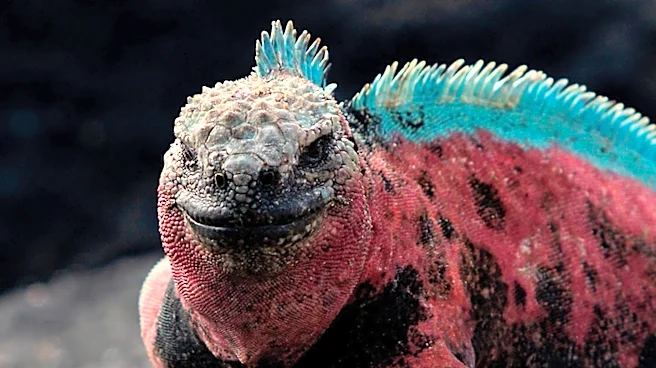
initially posted on her Facebook account and since removed, showed her with a full bowl of the soup. The backlash stems from the fact that some iguana species are protected under Mexican environmental regulations. Ascencio acknowledged her unawareness of the protected status of certain iguana species and the implications of their consumption. She stated that she generally tries traditional dishes when traveling across Michoacán and expressed her support for wildlife protection and respect for protected species. The capture and trafficking of iguanas are federal crimes in Mexico, carrying penalties of fines ranging from $17,700 to $47,000 and one to nine years in prison. An official from Mexico’s Federal Attorney’s Office for Environmental Protection noted that an investigation would only be warranted if the iguana was illegally taken from its natural habitat, rather than from an authorized breeding facility.
Why It's Important?
This incident highlights the complexities surrounding traditional culinary practices and modern environmental protection laws. For lawmakers, it underscores the importance of being fully informed about regulations, especially those pertaining to environmental conservation, as their actions can set precedents or draw public scrutiny. The public reaction, particularly on social media, demonstrates a growing awareness and concern for wildlife protection, even when it conflicts with cultural traditions. The legal implications, including potential fines and imprisonment for iguana trafficking, emphasize the seriousness with which Mexico treats its environmental regulations. This event could prompt greater public discourse on how to balance cultural heritage, which often includes traditional foods, with the imperative to protect endangered species and uphold environmental laws. It also brings to light the potential for public figures to inadvertently violate laws or norms due to lack of awareness, leading to reputational damage and calls for accountability.
What's Next?
Following the backlash, Senator Ascencio has indicated she will investigate local breeding practices for iguanas and has expressed a commitment to learning from the experience. While Mexico’s Federal Attorney’s Office for Environmental Protection has not initiated an investigation, the situation could evolve if evidence emerges that the iguana consumed was sourced illegally from its natural habitat. The incident may also lead to increased scrutiny of restaurants serving traditional dishes that might involve protected species, potentially prompting authorities to verify the legality of their sourcing. Furthermore, this event could spark broader discussions within Mexico about public awareness campaigns regarding protected species and the legal ramifications of consuming them, especially in regions where such consumption is part of local tradition. Other lawmakers and public figures might become more cautious about their public consumption habits to avoid similar controversies.
Beyond the Headlines
Beyond the immediate political fallout, this incident touches upon deeper themes of cultural heritage versus conservation ethics. Traditional foods, like iguana soup, are often deeply intertwined with regional identity and historical practices. The conflict arises when these traditions intersect with contemporary environmental laws designed to prevent species extinction. This situation prompts a re-evaluation of how societies can preserve cultural practices while adapting to modern ecological responsibilities. It also highlights the role of social media in rapidly disseminating information and mobilizing public opinion, effectively holding public figures accountable in real-time. The incident could serve as a case study for how environmental regulations are perceived and enforced at a local level, particularly when they challenge long-standing customs. It also raises questions about consumer responsibility and the need for greater transparency in the food supply chain, especially for exotic or traditionally consumed animals.