



What's Happening?
The Pacific Gas and Electric Company (PG&E) has restored power to nearly 2,300 customers in the Berkeley Hills, more than 24 hours after implementing a public safety power shutoff due to elevated wildfire risk. The utility had initially projected the outage
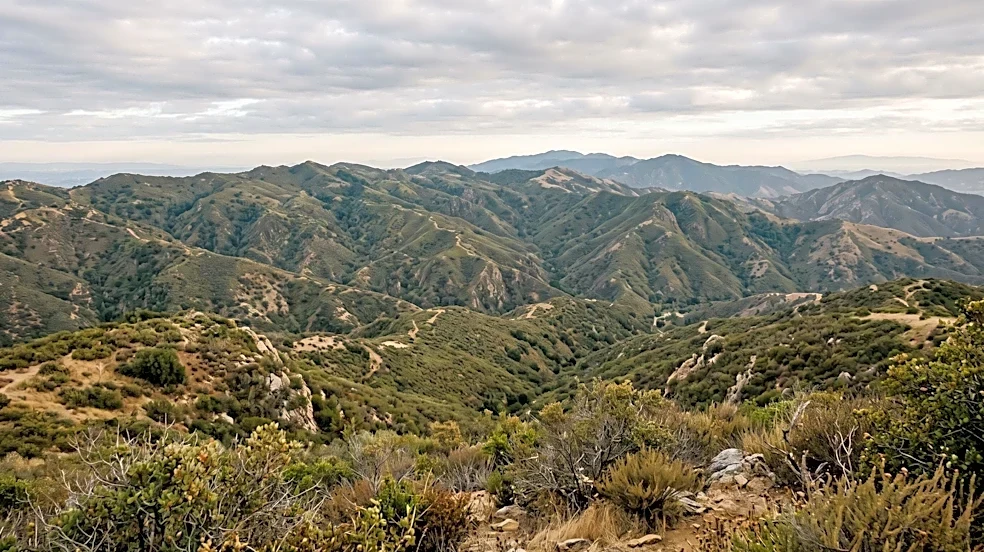
to last until Saturday, but more favorable weather forecasts, including a shift in wind direction bringing cooler, moist air from the San Francisco Bay, allowed for an earlier restoration on Friday afternoon. The shutoff, which began on Thursday, affected thousands of customers in the Berkeley Hills, particularly in areas around Grizzly Peak Boulevard and Tilden Regional Park. While the UC Berkeley campus was indicated as part of the shutoff area on PG&E's map, a university spokesperson confirmed that the core campus and dorms did not lose power. At its peak, the outage impacted 2,298 customers in Berkeley, out of almost 5,000 across Alameda County. PG&E established a community resource center at UC Berkeley's Clark Kerr Campus to provide amenities such as blankets, snacks, charging stations, and Wi-Fi for affected residents.
Why It's Important?
This event highlights the ongoing challenges faced by utility companies in California, particularly PG&E, in balancing wildfire prevention with reliable power delivery. The preemptive power shutoffs, while intended to mitigate the risk of equipment-sparked wildfires during dry, windy conditions, significantly disrupt daily life for thousands of residents and businesses. The decision to implement such shutoffs, even in areas not under a 'Red Flag Warning' as noted by Councilmember Brent Blackaby, underscores the complex risk assessment utilities undertake. These outages can lead to economic losses for businesses, inconvenience for residents, and raise questions about the long-term solutions for grid resilience in fire-prone regions. The incident also emphasizes the interconnectedness of the power grid, where customers in seemingly unaffected areas can lose power due to their connection to higher-risk sections of the system. The public's frustration with these shutoffs, especially when local wind conditions appear mild, points to a need for clearer communication and potentially more localized or targeted mitigation strategies.
What's Next?
PG&E will likely continue to implement public safety power shutoffs in the future during periods of high wildfire risk, as part of its strategy to prevent catastrophic fires. The utility will also face ongoing scrutiny and calls for accountability regarding its decision-making process for these shutoffs, particularly from local officials like Councilmember Brent Blackaby. There will be continued efforts to improve grid reliability and reduce wildfire risk through initiatives such as undergrounding power lines, though these are long-term projects. PG&E will also need to refine its communication strategies to better inform customers about the rationale behind shutoffs and provide more accurate restoration estimates. The company's community resource centers will likely remain a key component of its response to future outages, offering support to affected populations. Furthermore, the broader discussion around California's energy infrastructure and wildfire prevention strategies will continue, potentially leading to further investments in grid hardening and alternative energy solutions.
Beyond the Headlines
The recurring nature of these power shutoffs in California points to a deeper societal and environmental challenge: adapting critical infrastructure to the realities of climate change and increased wildfire frequency. Beyond the immediate inconvenience, these events can exacerbate social inequalities, as vulnerable populations may have fewer resources to cope with prolonged outages. The reliance on preemptive shutoffs also raises questions about the long-term sustainability of current energy delivery models and the need for more decentralized or resilient energy systems. This situation could accelerate the adoption of home battery storage, microgrids, and other distributed energy resources as individuals and communities seek greater energy independence. Furthermore, the public's growing frustration could fuel political pressure for more aggressive regulatory oversight of utilities and increased investment in infrastructure modernization. The ethical dimension of prioritizing wildfire prevention over consistent power supply for thousands of customers will remain a contentious issue, prompting ongoing debates about risk tolerance and public safety responsibilities.