




What's Happening?
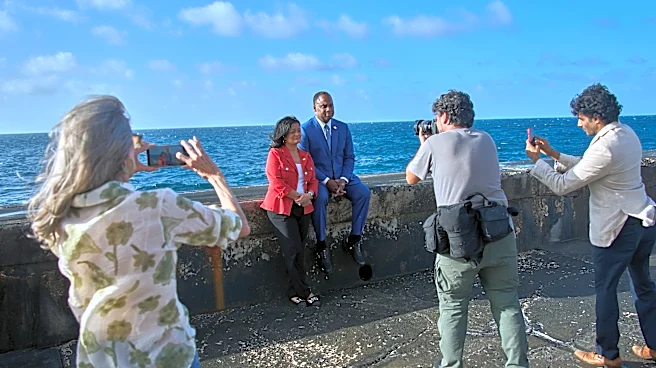
Two Democratic US lawmakers, Pramila Jayapal and Jonathan Jackson, have called for an end to the US energy blockade on Cuba after visiting the island. During their five-day trip, they met with Cuban President Miguel Díaz-Canel and other officials to discuss
the blockade's effects. The lawmakers described the blockade as a 'cruel collective punishment' that has caused significant damage to Cuba's infrastructure, leading to fuel shortages, blackouts, and economic disruptions. They emphasized the need for a permanent solution and criticized the blockade as a remnant of Cold War policies that no longer serve the interests of either country.
Why It's Important?
The call to end the US energy blockade on Cuba highlights ongoing tensions in US-Cuba relations and the humanitarian impact of economic sanctions. The blockade has exacerbated Cuba's economic challenges, affecting daily life and essential services. The lawmakers' visit and subsequent statements may influence US policy discussions, potentially leading to a reevaluation of the embargo. This development is significant for US foreign policy, as it could affect diplomatic relations in the Caribbean and broader geopolitical dynamics. The situation also underscores the complex interplay between domestic politics and international relations in shaping US policy toward Cuba.
What's Next?
The visit by US lawmakers and their call for policy change may prompt further discussions within the US government about the future of the embargo on Cuba. High-level talks between the US and Cuba are reportedly ongoing, which could lead to potential policy shifts. The outcome of these discussions may impact US-Cuba relations and influence future diplomatic and economic engagements. Additionally, the situation may draw attention from international stakeholders and human rights organizations advocating for changes in US policy toward Cuba.