







What's Happening?
The World Health Organization (WHO) has highlighted a significant gap in global climate finance, which is failing to address the growing public health crisis driven by climate change. According to a recent report, climate change is causing health shocks
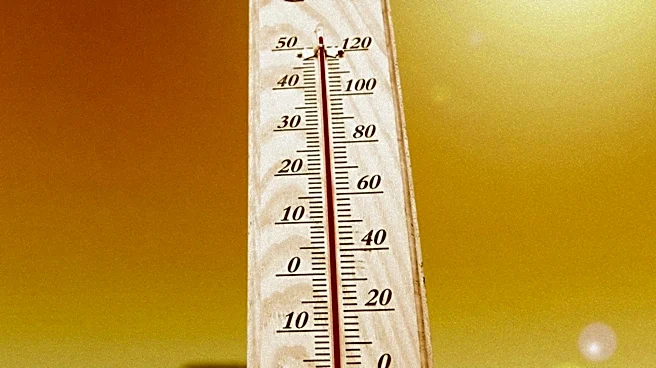
such as extreme heat, food shortages, and vector-borne diseases, potentially leading to 250,000 additional deaths annually between 2030 and 2050. Despite these alarming projections, only 0.5% of climate finance is currently allocated to health systems, leaving them underfunded and ill-prepared for the challenges posed by a rapidly changing climate. This shortfall is particularly acute in low- and middle-income countries, where health systems are weakest and climate impacts are most severe.
Why It's Important?
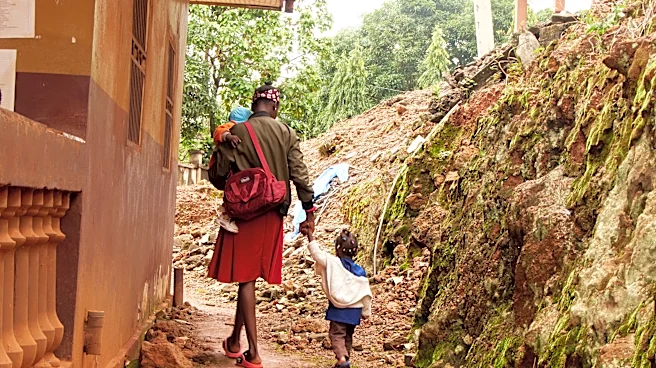
The inadequate allocation of climate finance to health systems has significant implications for global public health and economic stability. Vulnerable communities, including migrant workers and those with underlying health conditions, are disproportionately affected by climate-driven health risks. The financial burden of adapting health systems to climate change is estimated to require $11 billion annually until 2030, with significant needs in Asia and Latin America. Without increased investment, the costs will manifest not only in human lives but also in economic losses and deepening inequalities. The situation underscores the need for a coordinated effort to blend public, private, and philanthropic capital to enhance climate health adaptation.
What's Next?
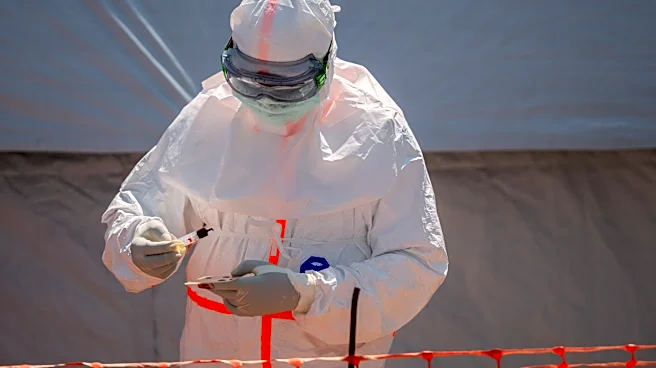
To address the climate-health crisis, there is a pressing need for innovative financing solutions that can support community-based health initiatives. Blended finance arrangements, which combine public and private investments, could unlock additional resources for local solutions. Public institutions are encouraged to collaborate with private and philanthropic funders to scale effective health interventions. Additionally, outcomes-based contracting and pay-for-results mechanisms offer alternative financing tools that could incentivize investment in health adaptation. The focus must shift towards recognizing health as a frontline climate issue and directing resources to community-based models that can respond effectively to climate-induced health challenges.
Beyond the Headlines
The current climate finance model, which often operates in silos, must evolve to integrate health as a critical component of climate adaptation strategies. Social enterprises and local innovators play a crucial role in bridging the gap between public services and community needs, yet they often lack the funding and regulatory support needed to scale their impact. By fostering an enabling environment for these innovators, governments and private sector partners can enhance the resilience of health systems to climate shocks. This approach not only addresses immediate health risks but also represents a smart long-term investment in global health security.