






What's Happening?
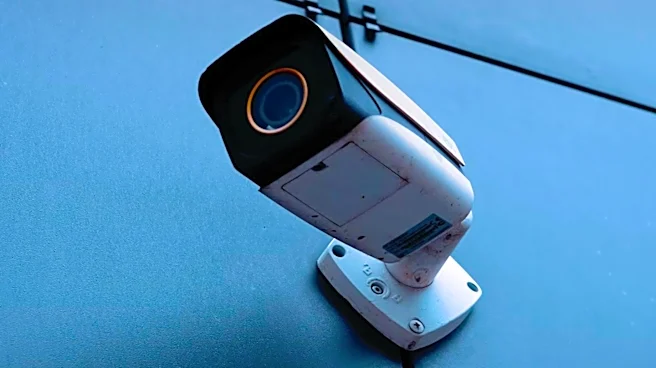
For U.S. homeowners, hardwired Power-over-Ethernet (PoE) cameras are being highlighted as a superior option for home security systems compared to wireless or battery-powered alternatives. These systems offer enhanced reliability and eliminate ongoing
monthly fees, as footage is stored locally on a Network Video Recorder (NVR). Unlike wireless cameras that can suffer from shaky Wi-Fi signals or require battery recharging, PoE cameras use a single Ethernet cable to transmit both power and video, ensuring consistent 24/7 recording without dropped connections. Leading brands like Dahua, Hikvision, and Ajax offer various PoE camera models tailored to different homeowner needs, including active deterrence, clear night vision, and integration with existing alarm systems. This approach is particularly beneficial for homeowners who can undertake the installation of running cables through wall cavities or roof spaces, making it a more permanent and robust security solution.
Why It's Important?
The emphasis on hardwired PoE security systems is significant for the U.S. home security market, as it shifts focus towards more reliable and cost-effective long-term solutions. Homeowners stand to gain from increased security efficacy due to stable connections and continuous recording, which is crucial for evidence collection in case of incidents. The absence of monthly subscription fees for local storage can lead to substantial savings over time, making advanced security more accessible. This trend could influence consumer purchasing decisions, pushing demand towards professional installation services for hardwired systems. Furthermore, the integration capabilities of some PoE cameras with broader alarm ecosystems, such as Ajax, offer a unified security management experience, potentially simplifying home protection for many. This move away from cloud-dependent, subscription-based models empowers homeowners with greater control over their data and security infrastructure.
What's Next?
The U.S. home security market may see an increased adoption of hardwired PoE systems as homeowners become more aware of their benefits, particularly for new constructions or renovations. Security providers are likely to expand their offerings to include more advanced PoE camera options and specialized installation services. Consumers will need to consider factors like the number of cameras, desired footage retention, and NVR specifications when choosing a system. The continued development of AI-powered features, such as human and vehicle classification, will further enhance the effectiveness of these systems in reducing false alarms. As technology evolves, the integration of these robust camera systems with smart home platforms could also become more seamless, offering homeowners comprehensive control over their property's security and automation.
Beyond the Headlines
Beyond the immediate security benefits, the shift towards hardwired PoE systems highlights a broader trend in consumer technology: the desire for greater control, reliability, and privacy. By storing footage locally on an NVR, homeowners reduce their reliance on cloud services, addressing growing concerns about data privacy and potential vulnerabilities associated with remote storage. This approach also fosters a sense of self-sufficiency, as the system's core functionality does not depend on ongoing subscriptions or internet connectivity. The robust nature of hardwired installations suggests a move towards more permanent and integrated home infrastructure, where security is considered a fundamental utility rather than an add-on service. This could also spur innovation in local processing capabilities for AI features, further enhancing system intelligence without constant cloud communication.