



What's Happening?
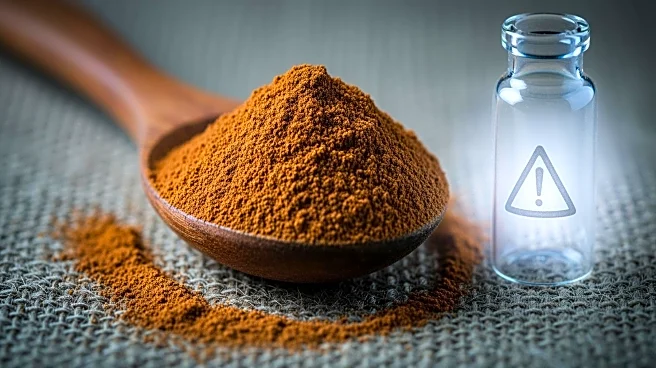
Consumer Reports has identified high levels of lead in cinnamon powder and multi-spice powders from 12 brands, including Paras, EGN, Mimi's Products, and others. The report found lead levels exceeding 1 part per million (ppm), a threshold used by New
York state to recommend product recalls. The nonprofit organization advises consumers to avoid these products due to the health risks associated with lead exposure. Lead can accumulate in the body over time, posing serious health risks such as immune system suppression, reproductive issues, and cognitive problems. In response to the findings, some companies like Paras and EGN have agreed to stop selling their cinnamon powder products. Other companies, such as Deep and Yu Yee Brand, have stated they rely on supplier tests, while Mimi's Products claims their vendor reports show no excessive lead levels.
Why It's Important?
The presence of high lead levels in commonly used spices like cinnamon poses significant health risks, particularly because lead can accumulate in the body over time. This issue is critical for public health, as lead exposure can lead to severe health problems, including developmental issues in children and various chronic conditions in adults. The report highlights the need for stricter regulatory oversight and testing of food products to ensure consumer safety. The findings may prompt consumers to be more cautious about the brands they purchase and could lead to increased scrutiny of food safety standards by regulatory bodies. Companies implicated in the report may face reputational damage and potential financial losses if consumers lose trust in their products.
What's Next?
Following the report, affected companies may need to conduct further testing and possibly reformulate their products to meet safety standards. Regulatory agencies might increase inspections and testing of food products to prevent similar issues in the future. Consumers are likely to demand greater transparency and accountability from food manufacturers regarding product safety. The situation could lead to broader discussions about food safety regulations and the need for more rigorous testing protocols to protect public health. Companies not implicated in the report may use this opportunity to emphasize their compliance with safety standards, potentially gaining a competitive advantage.