

What's Happening?
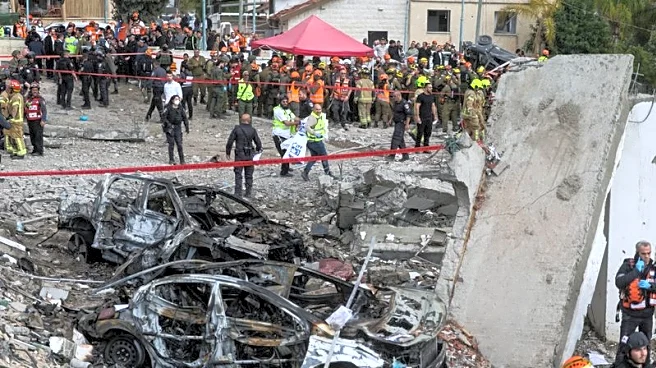
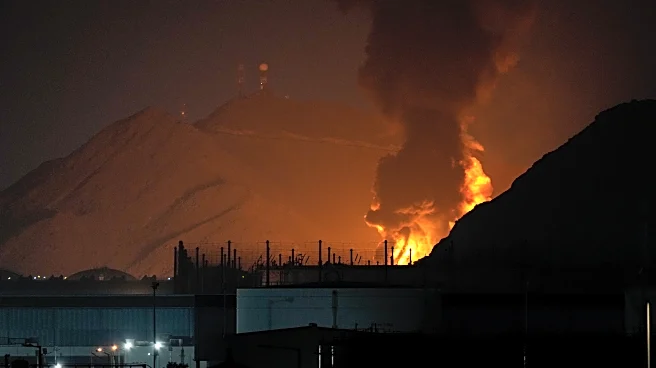
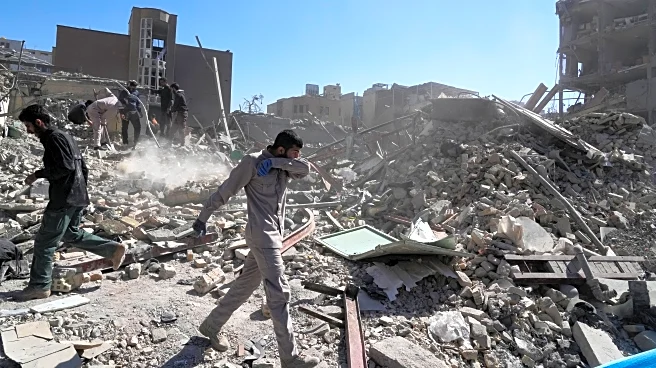
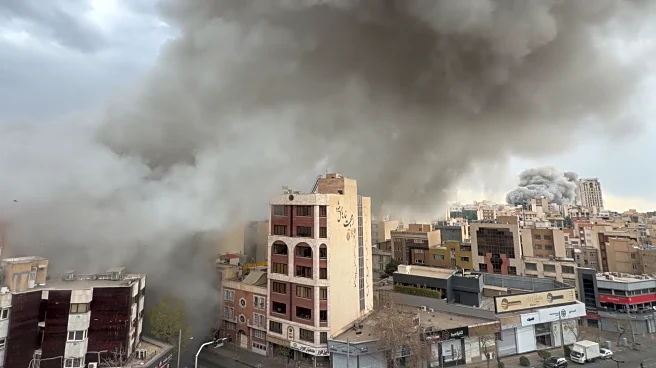
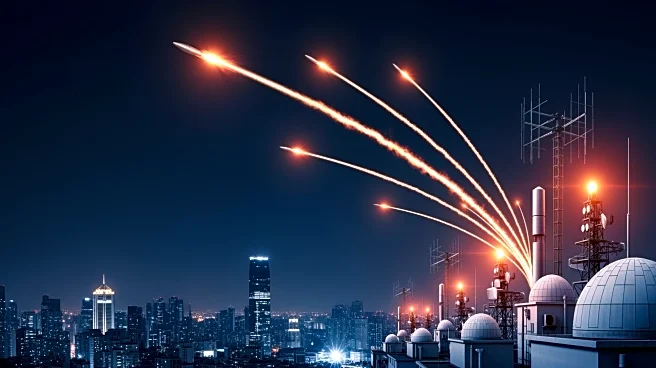
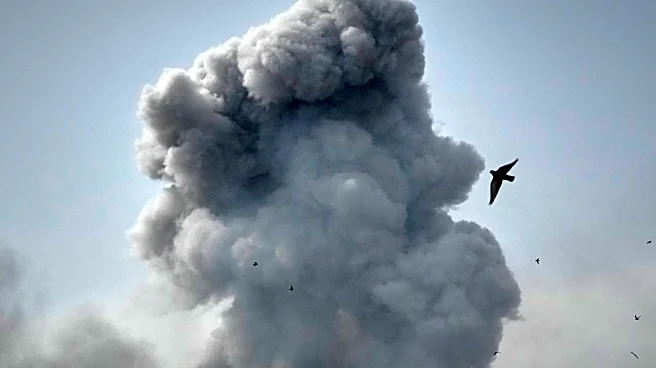
Multiple explosions were reported in Doha, Qatar, as Iran initiated a series of retaliatory missile strikes against Gulf states. The Qatari Defense Ministry confirmed the attack and stated that its air defense systems were actively working to intercept
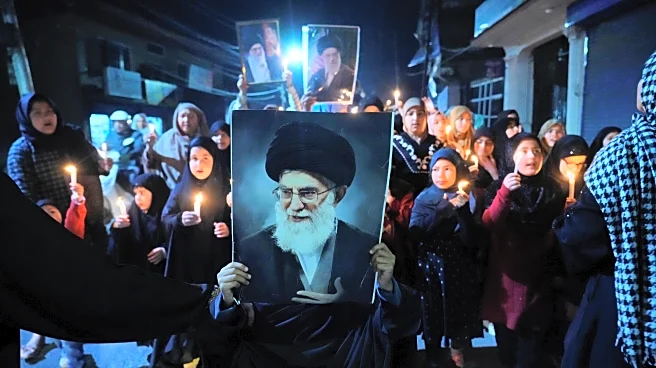
the threat. The Ministry urged citizens, residents, and visitors to remain calm and follow official instructions, emphasizing the importance of relying on information from official channels. This development comes amid heightened tensions in the region, with concerns about potential civil unrest in Iran due to ongoing conflicts involving Tehran, the United States, and Israel.
Why It's Important?
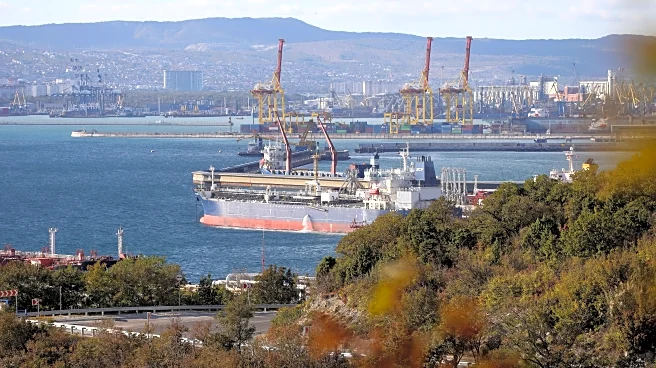
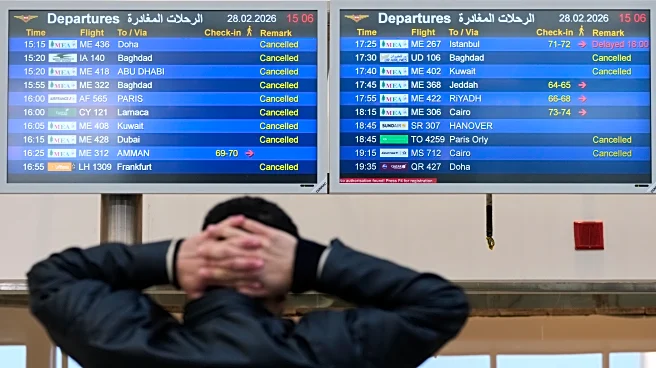
The missile strikes underscore the escalating tensions in the Middle East, particularly between Iran and its neighboring Gulf states. This situation could have significant implications for regional stability and international relations, potentially affecting global oil markets and maritime security, especially in strategic areas like the Strait of Hormuz. The conflict also raises concerns about the safety of civilians and the potential for broader military engagements. The international community, including the European Union, is closely monitoring the situation, with EU foreign chief Kaja Kallas expressing worries about the risk of civil war in Iran and the impact on maritime security.
What's Next?
As the situation develops, further military responses from the affected Gulf states or their allies could occur, potentially leading to an escalation of hostilities. Diplomatic efforts may intensify to de-escalate tensions and prevent further conflict. The international community, including the United Nations and major world powers, may seek to mediate and encourage dialogue between the involved parties to stabilize the region.