







What's Happening?
A significant heatwave is expected to impact Nebraska for the remainder of the week and into the weekend. A Heat Advisory has been issued for southeastern Nebraska, extending into parts of Iowa, Missouri, and Kansas. This advisory is effective from Wednesday
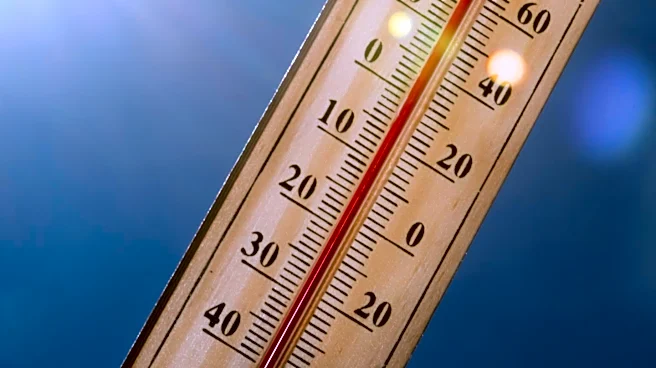
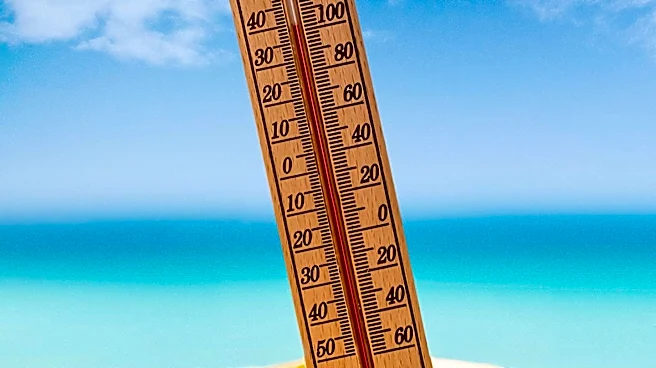
afternoon through Thursday, with a possibility of extension into Friday and the weekend. Temperatures across the state are projected to be near 90 degrees Fahrenheit, while southeastern Nebraska will experience even higher temperatures, ranging from the mid to upper 90s. The combination of these high temperatures with dew points in the mid-60s will result in heat index values climbing into the low 100s, particularly in southeastern Nebraska on Wednesday afternoon and eastern Nebraska on Thursday afternoon. Chief Meteorologist Rusty Dawkins has been tracking these conditions.
Why It's Important?
The prolonged period of extreme heat and humidity poses significant health risks to residents, particularly vulnerable populations such as the elderly, young children, and individuals with pre-existing health conditions. High heat index values can lead to heat-related illnesses like heat exhaustion and heatstroke, which can be severe or even fatal if not properly managed. This situation places increased strain on public health services and emergency responders. Additionally, the elevated temperatures can impact agricultural activities, potentially stressing crops and livestock, which are vital to Nebraska's economy. Energy consumption is also likely to surge as residents increase their use of air conditioning, potentially straining the power grid and leading to higher utility costs. The advisory highlights the need for public awareness and precautionary measures to mitigate these risks.
What's Next?
Residents in the affected areas are advised to take precautions to stay safe during the heatwave. This includes staying hydrated by drinking plenty of fluids, avoiding strenuous outdoor activities during the hottest parts of the day, and seeking shelter in air-conditioned environments. Public health officials will likely continue to issue warnings and provide guidance on heat safety. There is a possibility that the Heat Advisory could be extended beyond Thursday, depending on how weather patterns evolve. Local authorities may also consider opening cooling centers to provide relief for those without access to air conditioning. Businesses and employers with outdoor workers will need to implement measures to protect their employees from heat exposure. The situation will require continuous monitoring by meteorologists and public health agencies.
Beyond the Headlines
The recurring nature of such extreme weather events, including heatwaves, raises broader questions about climate patterns and their long-term implications for public health and infrastructure. While this specific event is a short-term forecast, its impact underscores the importance of robust public health infrastructure and community preparedness for environmental challenges. The strain on energy grids during peak demand periods also highlights the need for resilient energy systems and potentially, investments in renewable energy sources that can withstand extreme weather conditions. Furthermore, the agricultural sector's vulnerability to heat stress could prompt discussions on adaptive farming practices and water management strategies to ensure food security in the face of changing climatic conditions. The event serves as a reminder of the interconnectedness of environmental factors, public health, and economic stability.