







What's Happening?
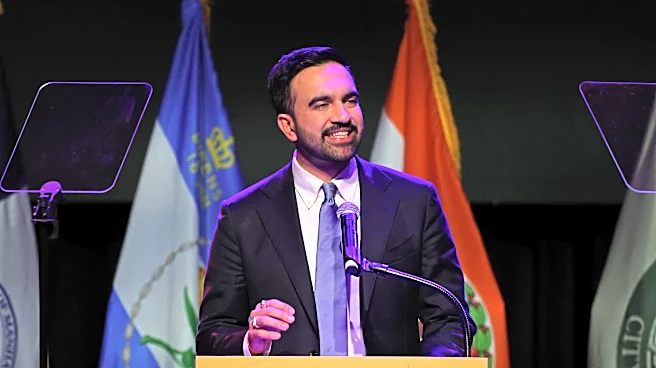
New York City Mayor Zohran Mamdani's administration is facing criticism over the rollout of a new pied-à-terre tax, which has left many homeowners confused. The tax targets second homes valued at over $5 million, but a database released by the Department
of Finance listed over 900,000 properties that might be subject to the surcharge. This has led to confusion and concern among homeowners, some of whom believe their primary residences were mistakenly included. The city clarified that letters were sent to 17,000 addresses suspected of being second homes. Critics argue that the process has been unnecessarily adversarial, with some homeowners feeling unfairly targeted. Mayor Mamdani defended the tax, stating it is intended to ensure only eligible properties are taxed, and outreach was conducted to prevent misunderstandings.
Why It's Important?
The implementation of the pied-à-terre tax is significant as it reflects ongoing efforts to address budgetary challenges in New York City by taxing wealthier property owners. The confusion surrounding the tax rollout highlights potential issues in government communication and policy implementation, which can lead to public distrust and dissatisfaction. The tax aims to generate revenue for social services, but the backlash could impact future policy decisions and the political landscape. Homeowners and real estate stakeholders are particularly affected, as the tax could influence property values and market dynamics. The situation underscores the importance of clear communication and precise execution in public policy to avoid unintended consequences.
What's Next?
Moving forward, the city may need to refine its approach to implementing the pied-à-terre tax to address the concerns raised by homeowners and critics. This could involve clearer guidelines and more targeted communication to ensure only eligible properties are taxed. The administration might also face pressure to review and possibly amend the tax policy to prevent similar issues in the future. Stakeholders, including property owners and real estate professionals, are likely to continue voicing their concerns, potentially influencing adjustments to the policy. The outcome of this situation could set a precedent for how similar taxes are implemented in other jurisdictions.