




What's Happening?
Vermont is implementing a ban on most neonicotinoid insecticide uses starting January 1, 2029. This legislative change is prompting new research initiatives to help corn and soybean growers adapt. The Foundation for Food & Agriculture Research (FFAR),
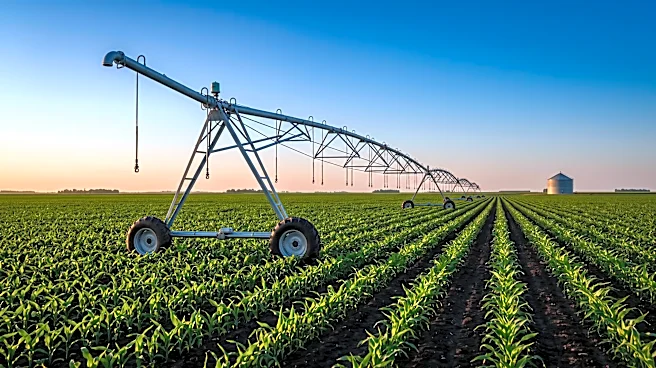
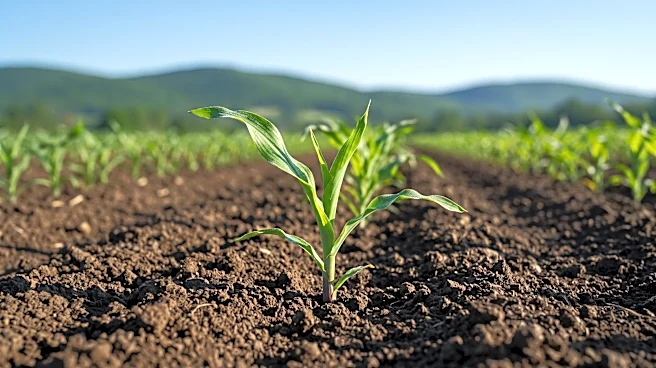
One Hive Foundation, and the Vermont Agency of Agriculture, Food and Markets are jointly investing $150,000 through the Rapid Outcomes from Agricultural Research (ROAR) program. This funding supports a study led by Dr. Heather Darby, Extension Professor and Agronomic and Soils Specialist at the University of Vermont. The research aims to identify alternative pest management strategies that reduce reliance on neonicotinoids while maintaining crop yields. Key areas of investigation include soil management practices, optimal planting dates, and alternative seed treatments. Researchers will also collaborate with eight Vermont farms to compare corn grown with and without neonicotinoid-treated seeds under real-world conditions, accounting for variations in soil, weather, and management practices.
Why It's Important?
The impending ban on neonicotinoid insecticides in Vermont carries significant implications for the state's agricultural sector, particularly for corn and soybean farmers who have historically relied on these chemicals for pest control. Neonicotinoids offer broad protection against pests but have been linked to harmful effects on beneficial insects and other non-target organisms. This research is crucial for ensuring the continued productivity and profitability of Vermont farms as they transition to new pest management approaches. The findings could also have broader relevance beyond Vermont, as similar pesticide restrictions may be considered in other regions, especially across the Northeast where growing conditions are comparable. By providing data on effective alternatives, this study will empower growers to make informed decisions and help policymakers understand the agricultural impacts of such regulations, potentially influencing future environmental and agricultural policies nationwide.
What's Next?
The research project will continue to gather data on the effectiveness of various alternative pest management strategies, including soil management, planting dates, and non-neonicotinoid seed treatments. Researchers will share their findings with farmers and other stakeholders through a variety of channels, including reports, fact sheets, conferences, field days, and workshops. This dissemination of information is critical for facilitating the rapid adoption of new practices by growers. The ongoing collaboration with eight Vermont farms will provide practical, real-world insights into which methods are most effective under different conditions. As the 2029 ban approaches, the agricultural community will closely monitor these results to develop and implement sustainable pest control solutions that protect both crops and the environment. The success of this initiative in Vermont could serve as a model for other states considering similar environmental regulations.
Beyond the Headlines
The Vermont neonicotinoid ban and the subsequent research highlight a growing national and international trend towards more sustainable agricultural practices and reduced reliance on synthetic pesticides. This shift reflects increasing public and scientific concern over the environmental impact of certain chemicals, particularly their effects on pollinator populations and ecosystem health. The research in Vermont not only addresses an immediate regulatory challenge but also contributes to a larger body of knowledge on ecological farming and integrated pest management. It underscores the complex interplay between agricultural productivity, environmental stewardship, and economic viability for farmers. The long-term implications could include a re-evaluation of conventional farming methods, increased investment in agroecological research, and the development of new, environmentally friendly agricultural technologies, potentially leading to a more resilient and sustainable food system in the U.S.