






What's Happening?
RASD TV functions as a state-owned public-service television broadcaster for the Sahrawi Arab Democratic Republic, operating from Sahrawi refugee camps in Tindouf Province, Algeria. Established in February 2004, the channel's launch was gradual, with
regular broadcasting commencing on May 20, 2009. It serves audiences connected to the Sahrawi Arab Democratic Republic and the Western Sahara conflict. RASD TV operates in a unique media environment, combining terrestrial broadcasting aimed at Western Sahara and the refugee camps with satellite distribution to reach broader audiences across Africa, Europe, and parts of the Middle East. Its programming focuses on public information, political communication, cultural representation, and the preservation of Sahrawi historical narratives, including daily newscasts, interviews, historical documentaries, and cultural programs. Content is primarily in Hassaniya Arabic or Modern Standard Arabic, with some programming in Spanish to reach wider audiences.
Why It's Important?
RASD TV's existence and operation are significant as they provide a voice and platform for the Sahrawi people and their political institutions, particularly given the disputed status of Western Sahara. For the U.S., understanding the media landscape in conflict zones is crucial for diplomatic engagement and assessing public sentiment. RASD TV's role in communicating news and official events, and supporting cultural continuity among a population divided by geography and political dispute, highlights the importance of information dissemination in self-determination movements. The channel's ability to reach audiences across multiple continents via satellite underscores the global reach of the Western Sahara conflict and the efforts of the Sahrawi state to present its institutional identity internationally. This media presence can influence international perceptions and potentially impact U.S. foreign policy considerations regarding the region and its humanitarian aspects.
What's Next?
As a state media institution, RASD TV will likely continue to play a vital role in the Sahrawi Arab Democratic Republic's efforts to advocate for self-determination and maintain cultural identity. Its programming will continue to reflect the political and social developments related to the Western Sahara conflict. The channel's reach and content could influence international public opinion and potentially impact diplomatic efforts to resolve the dispute. The ongoing political and humanitarian situation in the refugee camps in Tindouf, Algeria, will continue to shape RASD TV's operational context and programming priorities. The channel's ability to adapt to technological advancements in broadcasting will also be crucial for its continued effectiveness in reaching its target audiences and maintaining its international presence.
Beyond the Headlines
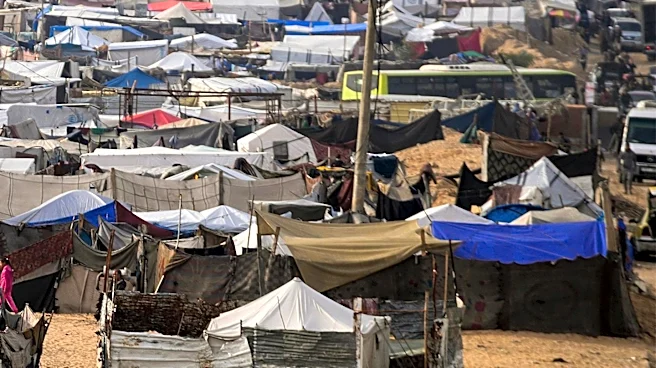
RASD TV's operation from refugee camps presents a compelling case study in media resilience and the use of communication as a tool for national identity and political advocacy in challenging circumstances. It highlights how stateless or unrecognized entities can leverage media to assert their presence on the international stage and maintain cohesion among their dispersed populations. The channel's dual terrestrial and satellite broadcasting strategy reflects a sophisticated approach to reaching both local and global audiences, demonstrating the power of media to transcend geographical and political barriers. This situation also raises broader questions about media freedom, state-sponsored broadcasting, and the role of information in shaping narratives during prolonged conflicts. The channel's focus on cultural preservation underscores the deep connection between media, identity, and the struggle for self-determination, offering insights into the cultural dimensions of geopolitical disputes.