





What's Happening?
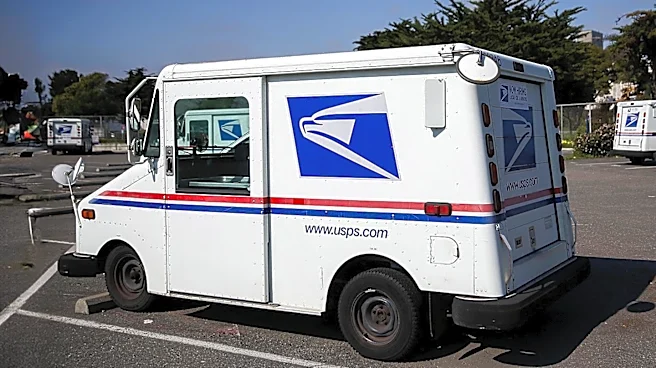
The United States Postal Service (USPS) has reported a $2.5 billion net loss for the fiscal third quarter, despite a 6.1% increase in operating revenue to $19.9 billion. This financial shortfall, although an improvement from the previous year's $3.1 billion loss,
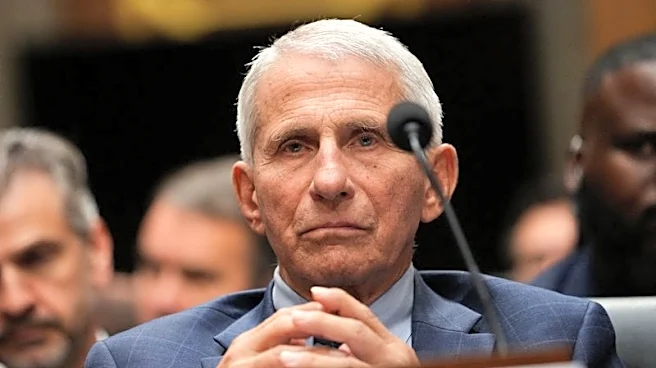
underscores persistent systemic issues within the USPS's business model. Postmaster General David Steiner has highlighted that recent legislation passed by a Senate committee could exacerbate these challenges by adding new ZIP codes, potentially costing the USPS an additional $800 million. In response, Steiner has announced plans to seek approval for a stamp price increase in January and has warned that without Congressional intervention, the USPS may be forced to close thousands of unprofitable post offices and further raise prices. The USPS is urging Congress to implement legislative and regulatory reforms to ensure its long-term financial sustainability.
Why It's Important?
The financial struggles of the USPS have significant implications for the American public and the economy. The USPS plays a crucial role in delivering mail and packages across the country, and its financial instability could lead to service disruptions, affecting businesses and individuals who rely on its services. The potential closure of post offices and increased prices could disproportionately impact rural and underserved communities, where alternative delivery options may be limited. Additionally, the USPS's financial health is tied to broader economic factors, such as the shift to digital communication, which has reduced first-class mail volumes. Legislative action is critical to redefining the USPS's service obligations and funding mechanisms, ensuring it can continue to serve the public effectively.
What's Next?
The USPS is seeking Congressional action to address its financial challenges. This includes requests for increased borrowing authority, modest federal appropriations, and changes to pension funding rules. The agency is also pressing for a clear definition of its Universal Service Obligation to better align its operations with financial realities. As the USPS continues to advocate for these changes, stakeholders, including lawmakers and the Postal Regulatory Commission, will need to consider the long-term implications of any reforms on the agency's ability to fulfill its mission. The outcome of these discussions will determine the future of the USPS and its capacity to provide essential services to the American public.