
What's Happening?
President Trump is approaching a significant decision regarding the nomination of the next chairman of the Federal Reserve, as Jerome Powell's term is set to end on May 15. Trump has expressed dissatisfaction
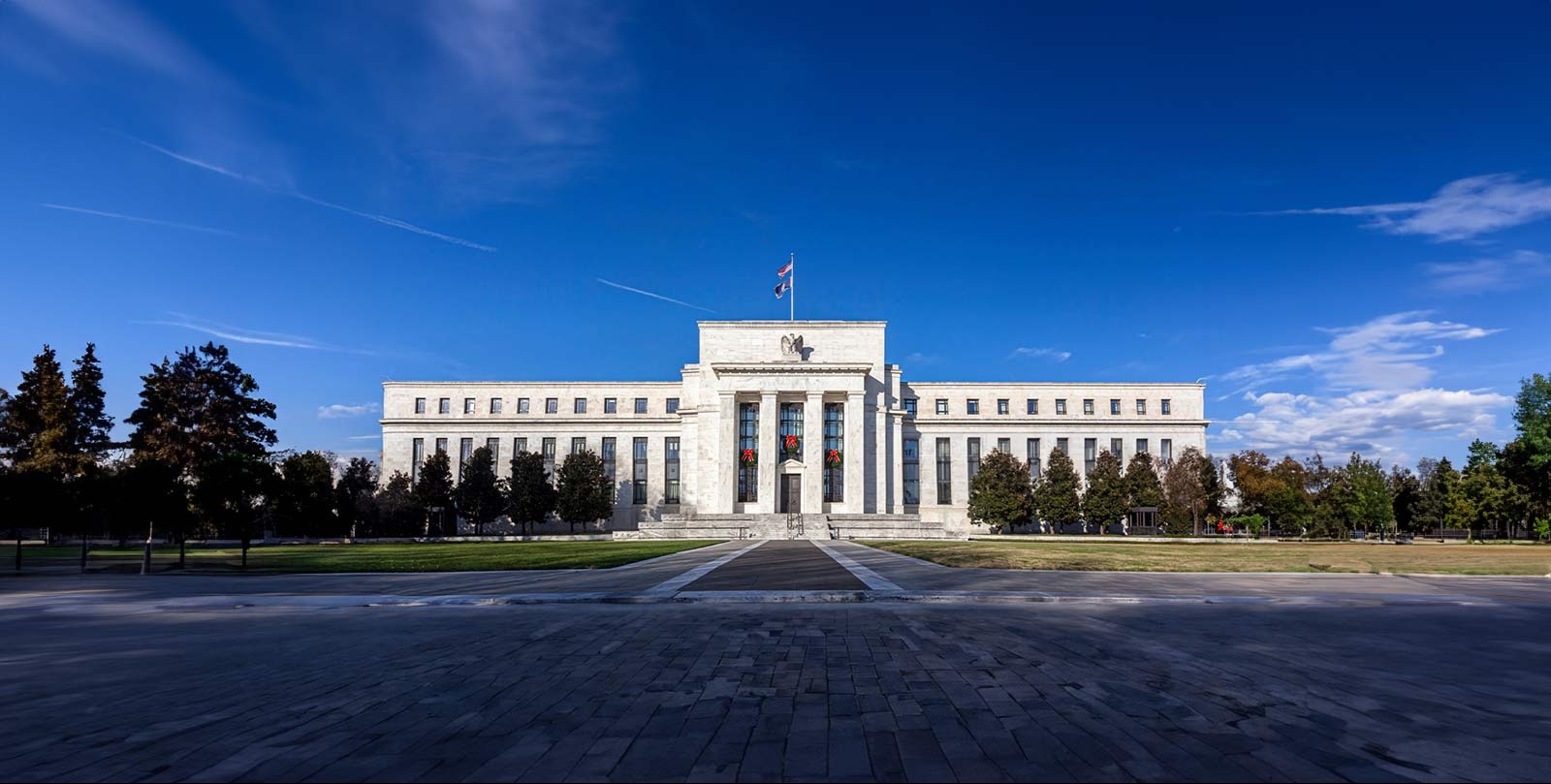
with Powell, who was initially nominated by Trump and later renominated by President Biden. The Federal Reserve, responsible for setting key interest rates, plays a crucial role in influencing the U.S. economy. Trump is considering candidates such as former Fed Governor Kevin Warsh and National Economic Council Director Kevin Hassett, both of whom align with his preference for lower interest rates. The decision comes at a time when the Fed is grappling with high inflation and rising unemployment, leading to a divided stance on rate cuts.
Why It's Important?
The choice of the next Federal Reserve chair is pivotal for the U.S. economy, as the chair's decisions can significantly impact financial markets and economic stability. Trump's preference for a chair who supports low interest rates could influence monetary policy, potentially affecting inflation and employment rates. Wall Street investors are keen on stability and credibility in the Fed's leadership to prevent financial crises. The decision also tests the independence of the Fed, as Trump has previously challenged its autonomy. The outcome will have implications for the White House, Wall Street, and the broader economy, especially if the new chair's policies diverge from market expectations.
What's Next?
President Trump is expected to announce his nomination for the Federal Reserve chair early in 2026, although the timeline may shift. The nominee will require confirmation by the U.S. Senate, which could influence the selection process. The new chair will need to navigate the Fed's internal divisions and build consensus on monetary policy. The decision will likely spark reactions from political leaders, investors, and economic stakeholders, as it could signal shifts in the Fed's approach to managing inflation and unemployment. The nominee's ability to maintain the Fed's independence while addressing economic challenges will be closely scrutinized.