






What's Happening?
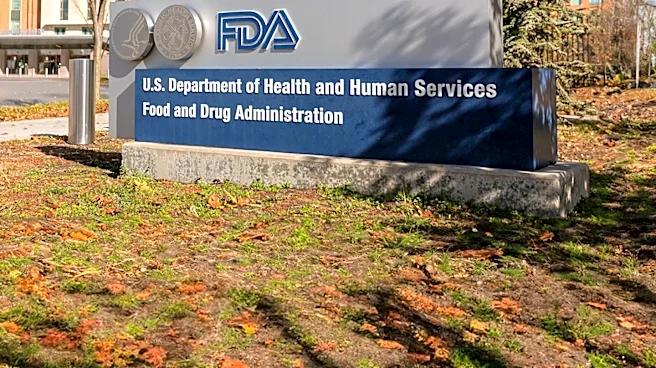
A gene therapy for Sanfilippo syndrome, a rare inherited disease, has received FDA approval. The treatment, named Fayuvi, is a one-time infusion developed by Ultragenyx. This breakthrough was significantly aided by the O'Neill family, whose daughter Eliza
was diagnosed with Sanfilippo syndrome. In 2014, the family created a viral video, 'Saving Eliza,' which helped them raise over $2 million through GoFundMe, breaking previous records. This funding was crucial in supporting the first human clinical trial for the gene therapy, which began in May 2016. Researcher Haiyan Fu at Nationwide Children's Hospital had been working on the gene therapy since the late 1990s, with her work sustained by patient foundations, including the Cure Sanfilippo Foundation started by the O'Neills. Ultragenyx acquired the rights to the therapy in 2022 and submitted data to the FDA, leading to its approval in September.
Why It's Important?
The FDA approval of Fayuvi marks a significant milestone in the treatment of rare genetic diseases, offering hope to families affected by Sanfilippo syndrome. This development highlights the critical role of patient advocacy and grassroots fundraising in accelerating medical research, particularly for conditions that may not attract large-scale pharmaceutical investment initially. The high cost of the treatment, nearly $4 million, underscores ongoing challenges in making advanced therapies accessible, though Ultragenyx has committed to ensuring all patients receive treatment regardless of cost. This case also exemplifies the long and arduous journey from basic scientific research to clinical application, often spanning decades and requiring sustained effort from researchers, families, and philanthropic organizations. It sets a precedent for how public awareness campaigns can directly impact medical progress.
What's Next?
With FDA approval, Fayuvi will become available for patients with Sanfilippo syndrome. Ultragenyx CEO Emil Kakkis emphasized that the treatment is most effective when administered to younger children, ideally around 6 months of age, to achieve better gene therapy results. This suggests a focus on early diagnosis and intervention will be critical for maximizing the treatment's benefits. The company's commitment to ensuring access for all patients, despite the high price, will likely involve navigating complex insurance and healthcare system challenges. The approval may also spur further research into gene therapies for other rare diseases, potentially attracting more investment and accelerating development in the field of genetic medicine. The O'Neill family and other foundations will likely continue their advocacy for early diagnosis and broader access to such life-changing treatments.
Beyond the Headlines
The story of Fayuvi's approval extends beyond medical science, touching upon ethical considerations, the economics of rare disease treatments, and the power of collective action. The nearly $4 million price tag for a single treatment raises questions about healthcare affordability and equity, particularly for conditions affecting small populations. It also highlights the tension between the high costs of developing innovative therapies and the moral imperative to provide access to life-saving treatments. Furthermore, the O'Neill family's journey underscores the profound impact individuals and families can have in driving scientific progress when traditional funding mechanisms are insufficient. This narrative serves as a powerful testament to human resilience and the potential for community-driven initiatives to overcome significant obstacles in the pursuit of medical breakthroughs.