

What's Happening?
Maryland has expanded its Tree-Mendous Maryland Program, offering communities more opportunities to manage and care for local trees and forests. This updated program, effective October 1st, now supports a broader range of community forestry projects beyond
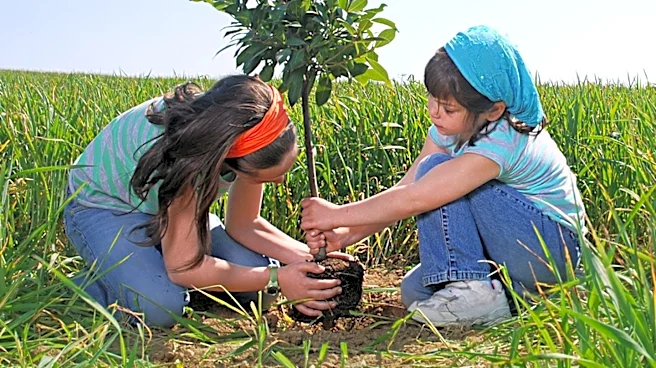
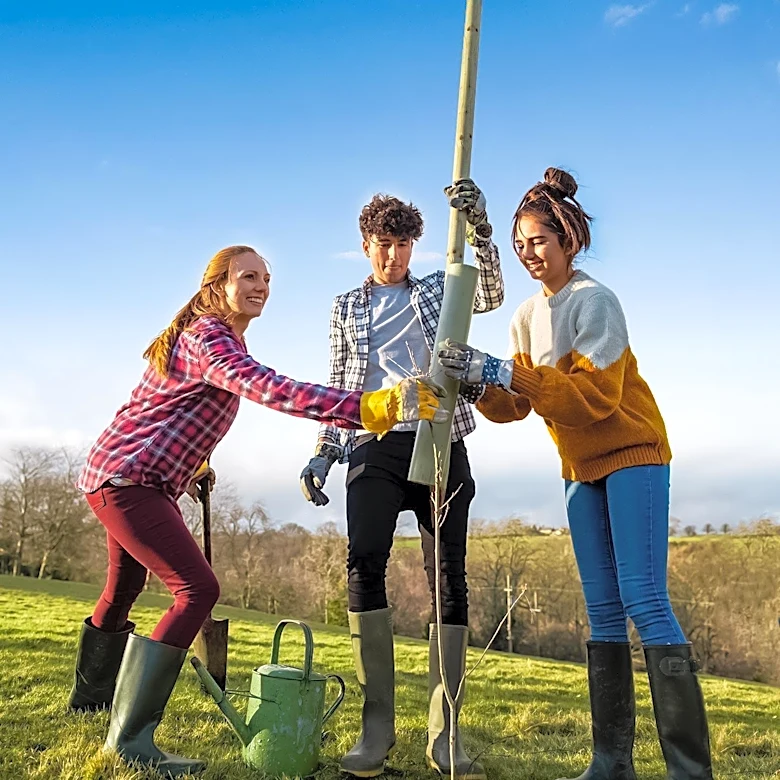
just tree planting. It provides access to native trees at reduced costs and offers funding for community efforts in planting, caring for, and stewarding trees and forests. Since its inception, Tree-Mendous has facilitated tree planting in over 3,000 communities, parks, and schools across the state. Legislation signed earlier this year updated the program's purpose to acknowledge community involvement in both tree planting and stewardship activities, including maintenance and care for native trees and shrubs. Maryland State Forester Anne Hairston-Strang noted that while the program initially focused on replanting to counter forest loss, the current update provides greater flexibility to support ongoing stewardship efforts by individuals and groups to maintain healthy community trees.
Why It's Important?
The expansion of the Tree-Mendous Maryland Program signifies a crucial shift in community forestry efforts, moving beyond mere tree planting to encompass comprehensive stewardship and maintenance. This broader approach recognizes that planting trees is only one part of ensuring healthy urban and community forests; ongoing care, such as pruning, disease management, and protection, is equally vital for their long-term survival and benefits. By providing funding and resources for these activities, Maryland is investing in the resilience of its green infrastructure, which offers numerous environmental benefits like improved air quality, reduced urban heat island effects, enhanced biodiversity, and stormwater management. This initiative also empowers local communities to take a more active role in managing their natural assets, fostering a sense of ownership and environmental responsibility among residents. The program's evolution reflects a more holistic understanding of sustainable urban and community forestry.
Beyond the Headlines
This program's evolution highlights a growing recognition within environmental policy that effective conservation requires sustained engagement and adaptive strategies. The shift from solely focusing on tree planting to including stewardship reflects a maturation in ecological understanding, acknowledging that the long-term health of tree canopy depends on continuous care. This approach could serve as a model for other states looking to enhance their urban and community forestry programs, emphasizing the importance of maintenance and community involvement. Furthermore, by supporting a wider array of projects, Maryland is fostering a more robust network of environmental stewards, potentially leading to increased public awareness and participation in local conservation efforts. This comprehensive strategy aligns with broader climate resilience goals, as healthy tree canopies are critical components of urban adaptation to climate change impacts.