
What's Happening?
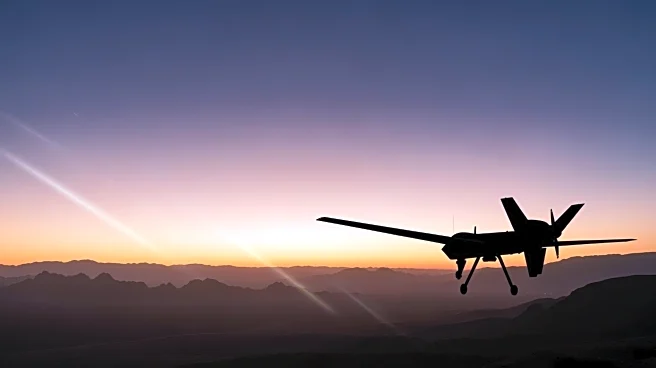
The United States has conducted numerous drone and air strikes in Yemen across the administrations of Presidents Obama, Trump, and Biden. According to a think tank report, the Obama administration carried
out approximately 182 strikes, the Trump administration about 104, and the Biden administration around four. In 2017 alone, the U.S. Central Command reported 131 air strikes in Yemen, although details on these operations remain insufficient. These military actions are part of broader U.S. efforts to combat terrorist groups like ISIS in various countries, including Afghanistan, Iraq, Somalia, and Syria. The strikes have been a significant component of the U.S.'s 'War on Terror' policy, which has been a cornerstone of American foreign policy in the 21st century.
Why It's Important?
The continued military operations in Yemen and other regions underscore the U.S.'s commitment to counterterrorism, reflecting a long-standing policy that spans multiple administrations. These actions have significant implications for U.S. foreign relations and domestic policy debates. The strikes are often justified as necessary to combat terrorism, but they also raise questions about the legal and ethical implications of military interventions without explicit congressional approval. The operations have drawn criticism and scrutiny, particularly concerning civilian casualties and the effectiveness of such strategies in achieving long-term peace and stability. The ongoing military presence in these regions highlights the challenges the U.S. faces in balancing national security interests with international diplomatic relations.
What's Next?
Future U.S. military actions in Yemen and similar regions will likely continue to be influenced by the evolving geopolitical landscape and the administration's foreign policy priorities. The Biden administration's reduced number of strikes compared to its predecessors may indicate a shift towards more diplomatic or alternative strategies in addressing terrorism. However, the persistent threat of terrorist groups in these areas suggests that military interventions may remain a tool in the U.S.'s counterterrorism arsenal. The international community and domestic stakeholders will continue to monitor these developments closely, with potential implications for U.S. military policy and international relations.
Beyond the Headlines
The U.S.'s military actions in Yemen and other countries raise broader questions about the ethical and legal frameworks governing the use of force in international relations. The reliance on drone strikes and air operations highlights the technological advancements in modern warfare but also brings to the forefront issues of accountability and transparency. The impact on local populations, including civilian casualties and displacement, adds a humanitarian dimension to the discourse. These factors contribute to ongoing debates about the role of military power in achieving global security and the responsibilities of nations in upholding international law and human rights.