







What's Happening?
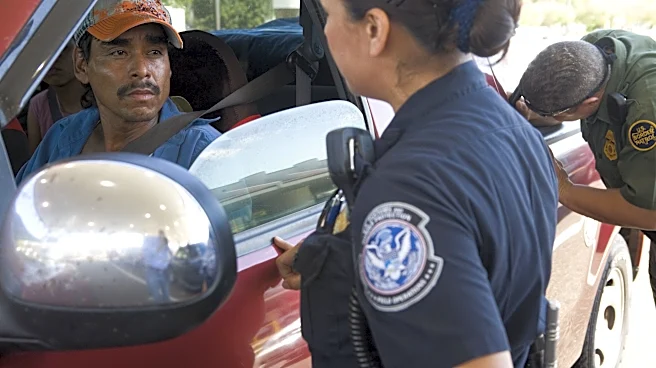
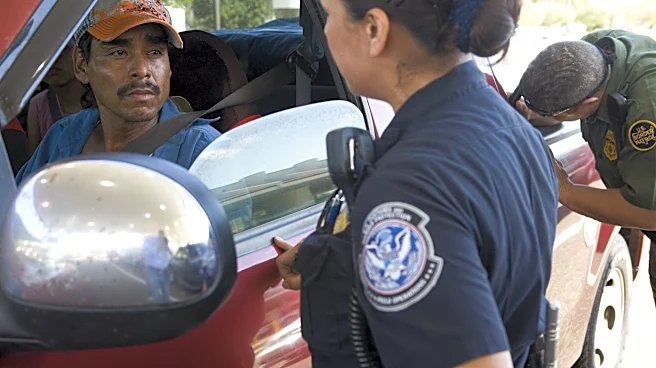
U.S. Customs and Border Protection (CBP), the largest federal law enforcement agency within the Department of Homeland Security, is actively recruiting for full-time, entry and mid-level Border Patrol Agent (BPA) positions. CBP aims to fill these roles
to enhance its mission of preventing terrorists and their weapons from entering the U.S. while facilitating lawful international travel and trade. The agency is offering significant recruitment and retention incentives, totaling up to $50,000. This includes a $20,000 recruitment incentive, with the first $10,000 paid upon academy completion and an additional $10,000 for selecting a prioritized duty location. Furthermore, newly appointed agents may qualify for up to $30,000 in retention incentives distributed over three years. Candidates can qualify at GL-5, GL-7, GL-9, or GS-11 grade levels, with annual base salaries ranging from $51,632 to $124,717, depending on the grade. Applicants must be U.S. citizens, have primary U.S. residency for at least three of the last five years, and generally be under 40 years old, though exceptions apply for veterans and current/former federal law enforcement personnel.
Why It's Important?
This urgent hiring initiative by CBP underscores the critical need for personnel to secure U.S. borders and manage immigration flows. The substantial financial incentives highlight the challenges in recruiting and retaining law enforcement officers for these demanding roles. A fully staffed Border Patrol is essential for national security, as it directly impacts the prevention of illegal crossings, drug trafficking, and potential terrorist threats. The increased staffing could lead to more effective border management, potentially reducing the strain on existing agents and improving response times to incidents along the border. For individuals seeking federal law enforcement careers, these incentives make the Border Patrol Agent position highly attractive, offering competitive pay, comprehensive benefits, and job stability. The focus on prioritized locations also indicates areas where staffing needs are most acute, suggesting a strategic deployment of resources to critical border sectors.
What's Next?
Prospective Border Patrol Agents will undergo a rigorous application process, including an entrance exam for GL-5 and GL-7 candidates, and a six-month intensive training program at the U.S. Border Patrol Academy in Artesia, New Mexico. This training covers immigration and nationality laws, law enforcement operations, and Spanish language proficiency, which is a requirement for the job. Successful recruits will then be assigned to one of the various duty locations across the U.S., with additional incentives for selecting prioritized areas. The ongoing recruitment drive suggests a sustained effort by CBP to bolster its ranks, which could lead to a noticeable increase in border enforcement capabilities in the coming months and years. The agency will likely continue to promote these incentives to attract a broad pool of qualified candidates, including those with prior law enforcement or military experience who may qualify for higher entry-level grades.
Beyond the Headlines
The significant investment in recruitment and retention incentives for Border Patrol Agents reflects broader national discussions on border security and immigration policy. The need for such incentives points to the demanding nature of the job, which often involves working in remote, challenging environments and confronting complex situations. This hiring push could also signal a long-term strategy to enhance border control through increased human resources, complementing technological advancements. The emphasis on Spanish language proficiency highlights the demographic realities of border enforcement and the necessity for effective communication with individuals encountered at the border. Furthermore, the age restriction and veteran preference policies underscore the physical and mental demands of the role, as well as the government's commitment to supporting military veterans in their transition to civilian careers.