




What's Happening?
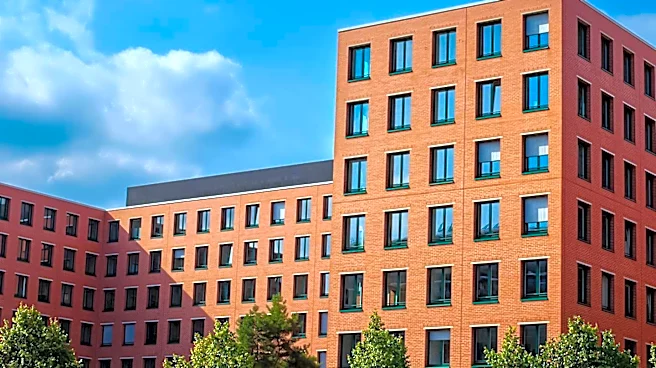
Harvard College has ceased using the Cronkhite Center as overflow housing for undergraduates, ending a four-year arrangement that temporarily housed Radcliffe Quadrangle residents in the former graduate dormitory. The Cronkhite Center, located at 84 Brattle
St., will now revert to housing graduate students, with monthly rents ranging from $1,440 to $1,956. The center was initially converted for undergraduate use in fall 2022 to accommodate a larger student population, which resulted from pandemic-era deferrals leading to an unusually large class. It had a capacity of 123 students and housed individuals from Cabot, Currier, and Pforzheimer Houses. According to College spokesperson Jonathan Palumbo, the decision was made because the additional space was no longer needed.
Why It's Important?
The discontinuation of Cronkhite Center as undergraduate housing signifies a return to pre-pandemic housing norms and reflects a stabilization of Harvard's student population after the surge caused by COVID-19 deferrals. For students, particularly those from the Quad Houses, this change means a more consolidated living experience within their designated Houses, fostering a stronger sense of community. Previously, students living in Cronkhite reported feeling isolated due to its distance from the main Quad and the lack of hot food service. While some appreciated the single rooms, the overall sentiment suggests that being integrated within their Houses is preferred for social and academic reasons. The College's ability to absorb students back into the main Houses, partly through converting common rooms into bedrooms, indicates effective space management and a commitment to enhancing the undergraduate residential experience.
What's Next?
With the Cronkhite Center no longer housing undergraduates, the focus will shift to how the Quad Houses manage their student populations within their primary facilities. Cabot House, for instance, has already increased its capacity by 37 beds through common room conversions, and Currier House gained one additional bed. This internal restructuring aims to ensure all sophomores and other residents can be housed within their respective Houses, as expressed by Cabot Faculty Dean Ian J. Miller, who noted the importance of having the full cohort of sophomores within Cabot proper. The return of Cronkhite to graduate student housing also means increased availability for graduate students seeking on-campus accommodation.
Beyond the Headlines
The episode with the Cronkhite Center highlights the logistical challenges universities face in managing student housing, especially in response to unforeseen demographic shifts like those caused by a global pandemic. It also underscores the importance of residential community in the undergraduate experience. The mixed reviews from students who lived in Cronkhite — balancing the desire for a single room with feelings of isolation — reveal the complex interplay between individual preferences and the broader benefits of integrated campus living. This situation could inform future university planning regarding flexible housing solutions and the design of residential spaces that promote both individual well-being and community engagement.