




What's Happening?
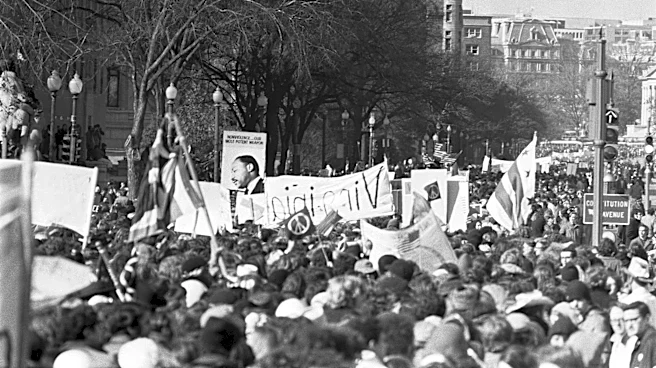
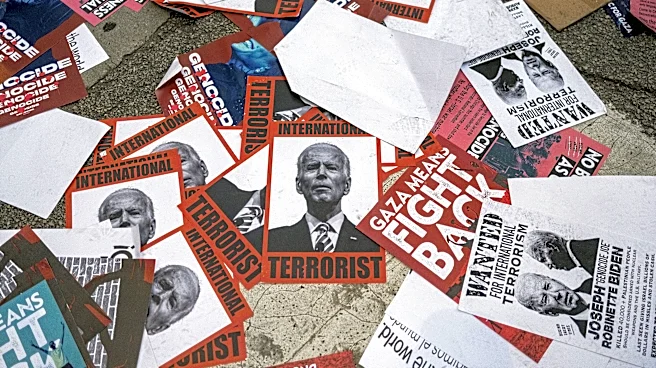
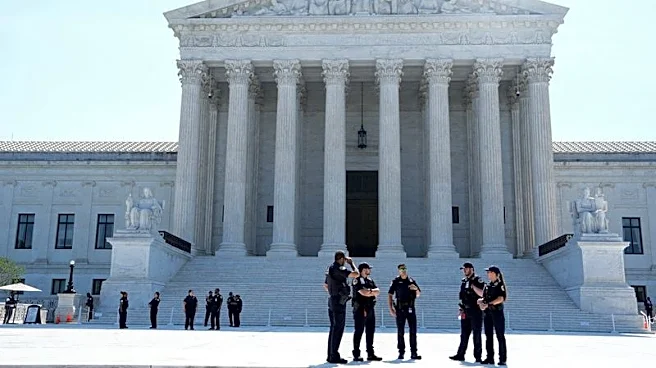
A federal judge has ruled against President Trump's administration regarding the restriction of protest signs in Washington, DC. Judge Randolph D. Moss issued an order on June 29, declaring that the signage by Accountability NOW USA, which referenced
sexual misconduct allegations against President Trump and included an '8647' flag, was not legally obscene. The judge determined that these signs did not constitute a true threat or incitement of violence, which would have justified government restrictions under the First Amendment. The '8647' flag, interpreted by some Trump supporters as a call to 'get rid of' Trump, was part of a broader protest by the group demanding accountability from the Trump administration. The American Civil Liberties Union's Washington, DC chapter, representing the group, argued that the National Park Service violated the First Amendment by threatening to revoke the group's demonstration permit over the signs. The court's decision permanently bars the Trump administration from removing the signs or revoking the permit based on their content.
Why It's Important?
This ruling underscores the ongoing tension between government authority and First Amendment rights in the United States. By siding with the protest group, the court reaffirmed the protection of political speech, even when it is controversial or critical of the government. This decision is significant as it highlights the judiciary's role in upholding constitutional rights against potential overreach by the executive branch. The ruling may embolden other protest groups to continue their activities without fear of government censorship, reinforcing the importance of public dissent in a democratic society. It also sets a precedent for how similar cases might be handled in the future, potentially influencing how government agencies approach protest regulations.
What's Next?
While the Trump administration has not indicated whether it will appeal the decision, the ruling could prompt further legal challenges or legislative efforts to clarify the limits of protest activities near government buildings. The decision may also lead to increased scrutiny of how the National Park Service and other agencies handle permits for demonstrations, particularly those involving politically sensitive content. As the nation approaches significant political events, such as elections or major policy debates, the balance between security concerns and free speech rights will likely remain a contentious issue.