




What's Happening?
NASA and other space agencies are leveraging Halloween-themed narratives to engage the public with complex topics in astronomy, planetary defense, and space weather. This approach connects ancient observational astronomy with modern aerospace engineering,
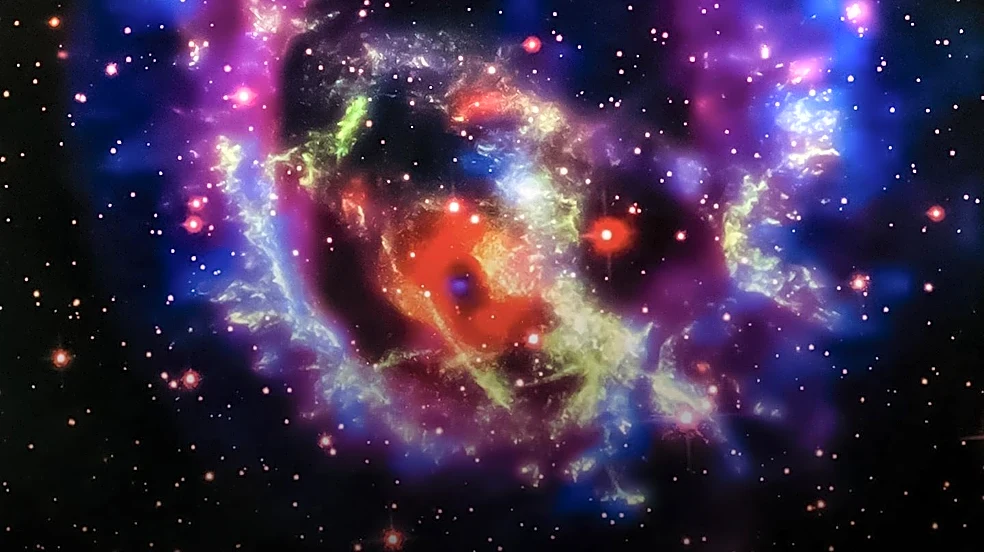
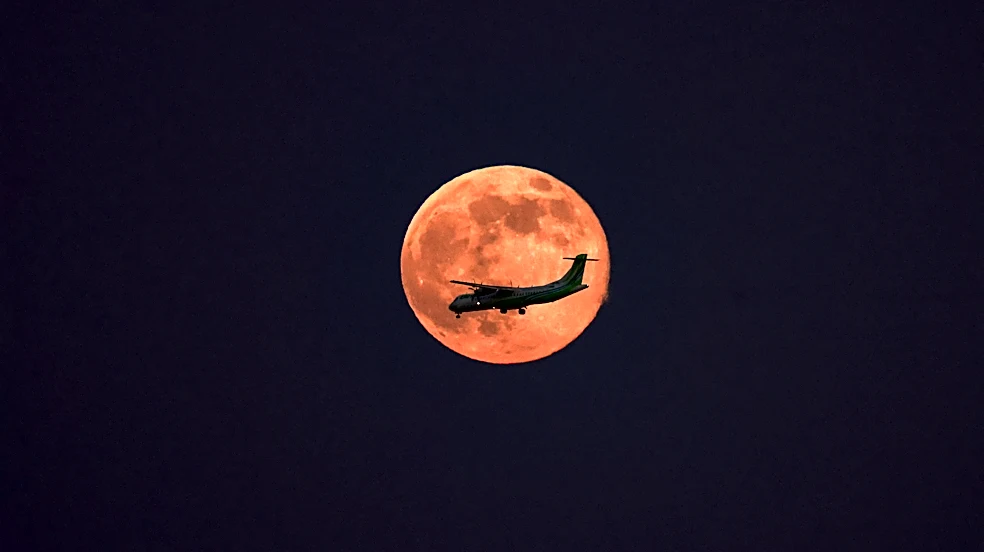
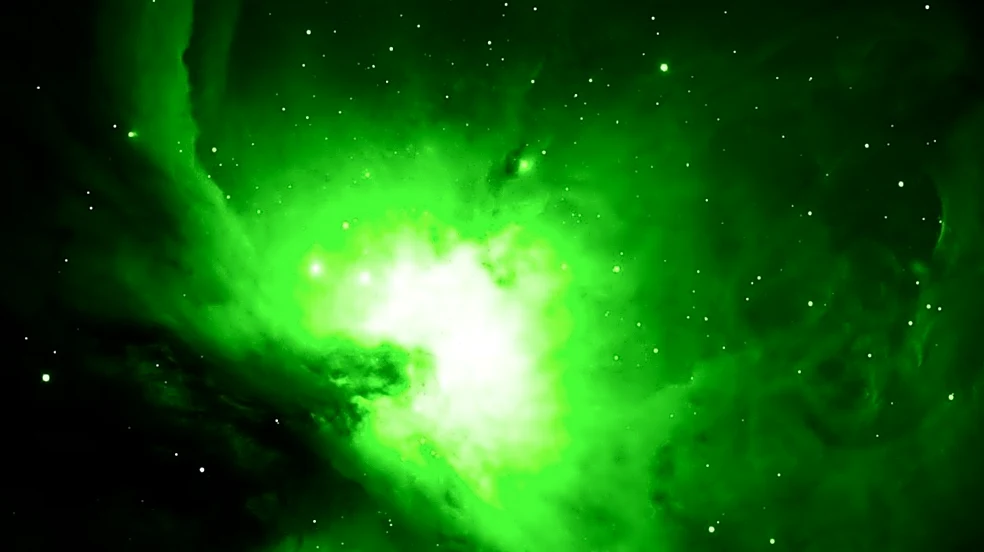
using seasonal events to highlight scientific discoveries and infrastructure. Examples include the 'skull-shaped' asteroid 2015 TB145, which passed Earth on Halloween 2015, and the 'Jack-o'-Lantern Sun' image captured by NASA's Solar Dynamics Observatory in 2014. These initiatives aim to demystify orbital and deep-space operations, emphasize Earth's protection from solar storms and near-Earth impacts, and foster public curiosity about the universe. The strategy also includes translating cosmic phenomena into eerie audio through data sonification and showcasing extreme exoplanets in the 'Galaxy of Horrors' series.
Why It's Important?
This public engagement strategy is crucial for maintaining sustained public interest in space exploration and scientific research. By making complex scientific concepts relatable and engaging through cultural touchstones like Halloween, space agencies can secure government appropriations, attract talent to science and engineering fields, and build commercial brand recognition. The narratives surrounding events like the 2003 Halloween solar storms, which caused significant disruptions to orbital and ground infrastructure, underscore the real-world impact of space weather and the importance of continuous monitoring and protective measures. Furthermore, the 'Galaxy of Horrors' series and data sonification efforts make astronomy more accessible, including for visually impaired audiences, broadening the reach and impact of scientific discovery.
What's Next?
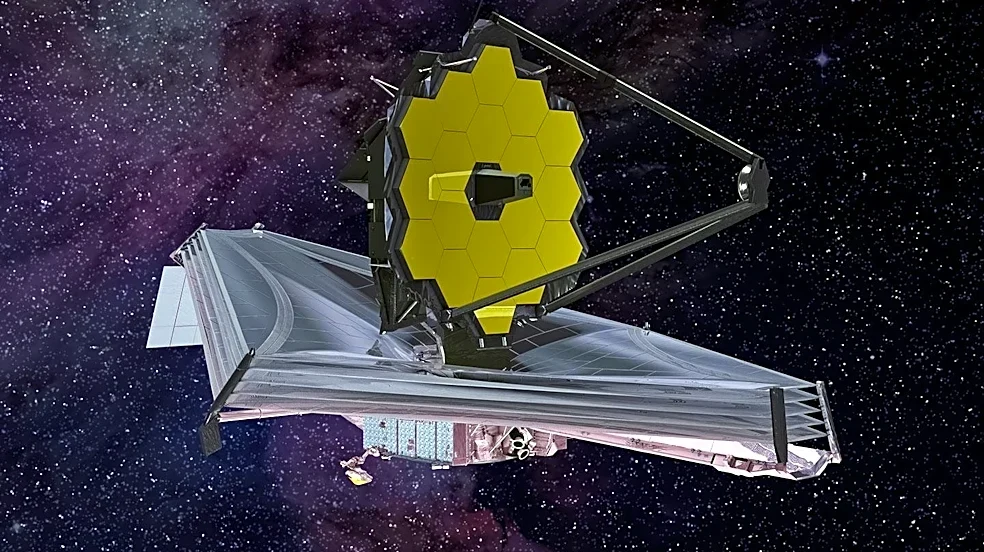
Space agencies are expected to continue developing innovative public engagement campaigns that connect scientific research with cultural events. This will likely involve further integration of multi-wavelength astrophysics, planetary defense, and space weather monitoring into accessible narratives. Future efforts may focus on expanding interactive experiences, such as virtual reality or augmented reality applications, to allow the public to 'experience' cosmic phenomena directly. There will also be an ongoing emphasis on using these narratives to highlight the operational value of global detection and tracking infrastructure, especially as commercial space activities expand. The goal is to continuously translate abstract aerospace budgets and astrophysical datasets into memorable stories that resonate with global audiences.
Beyond the Headlines
The use of Halloween themes in space science outreach reveals a deeper understanding of human psychology and communication. By tapping into innate human tendencies like pareidolia—the interpretation of random stimuli as familiar patterns—and the cultural association of late October with the supernatural, scientists can make abstract data more tangible and emotionally resonant. This approach not only educates but also inspires, fostering a sense of wonder and connection to the cosmos. It also subtly addresses the ethical dimension of scientific communication, ensuring that complex information is presented in a way that is both accurate and engaging, thereby promoting scientific literacy and critical thinking in an era of misinformation. The blend of ancient folklore with cutting-edge science highlights the enduring human quest for understanding our place in the universe.