

What's Happening?
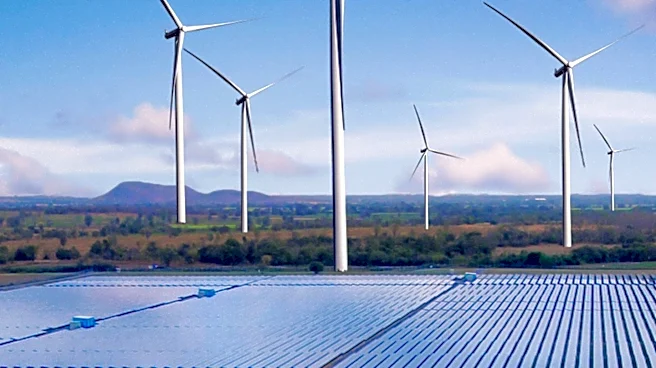
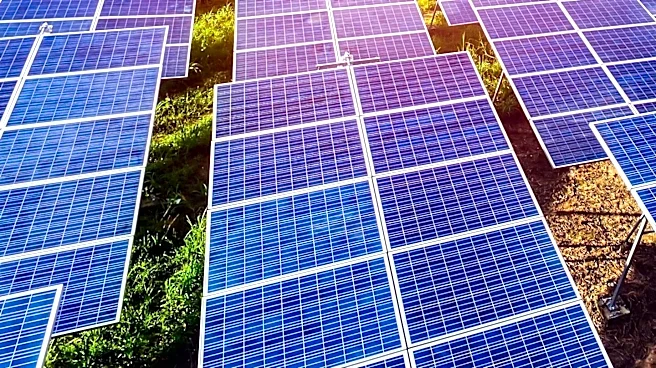
A federal judge has ruled that the Trump administration unlawfully terminated $7 billion in grant funding for the Solar for All program. This program, established under the Biden administration's Inflation Reduction Act, was designed to provide clean
energy access to disadvantaged communities through grants to states, municipalities, tribes, and nonprofits. The Environmental Protection Agency (EPA) canceled the program following President Trump's inauguration in 2025. The lawsuit was brought by environmental groups, including the Conservation Law Foundation, Southern Environmental Law Center, Lawyers for Good Government, and Lawyers' Committee for Rhode Island, on behalf of workers, businesses, and nonprofits affected by the funding withdrawal. Judge Mary S. McElroy, a Trump appointee, stated that Congress's clear intent was for the EPA to continue administering the already obligated grants, and the termination was contrary to this intent and lacked statutory authority. The EPA had argued the court lacked jurisdiction and that the claims were meritless, and is currently reviewing the decision for a potential appeal.
Why It's Important?
This ruling is significant for the clean energy sector and disadvantaged communities across the U.S. The Solar for All program was projected to save families $350 million annually on electricity bills and create 200,000 jobs and workforce training opportunities. Its termination had halted numerous projects aimed at reducing greenhouse gas emissions and providing affordable solar energy. The restoration of these funds could reignite these initiatives, fostering economic development and environmental benefits in low-income areas. For solar companies, the initial cancellation led to uncertainty and impacted investments in personnel and equipment, as seen in states like Georgia and Pennsylvania. The judge's decision underscores the importance of legislative intent in federal program implementation and could set a precedent for future challenges to executive actions that impact congressionally approved funding. It also highlights the ongoing legal battles surrounding climate and energy policies in the U.S.
What's Next?
The EPA is currently reviewing the judge's decision and considering options for appeal. If the ruling stands, the EPA will be compelled to release the $7 billion in funding for the Solar for All program. This would allow states, municipalities, tribes, and nonprofits to proceed with their planned solar energy projects in disadvantaged communities. Nick Torrey, senior attorney at the Southern Environmental Law Center, emphasized that the administration now has no excuse to withhold the money. The release of funds would likely lead to a surge in solar installations, job creation, and reduced energy costs for eligible households. However, the possibility of an appeal means there could be further delays before the funds are fully disbursed and projects can commence. Grant recipients have also filed separate lawsuits, which could further shape the program's future implementation.
Beyond the Headlines
The legal battle over the Solar for All program extends beyond immediate funding implications, touching on the broader themes of executive power, legislative intent, and the stability of climate policies across administrations. The judge's decision, coming from a Trump appointee, adds a layer of judicial independence to the discourse, suggesting that even politically aligned judges may uphold the letter of the law against executive actions. This case could influence how future administrations approach programs established by previous ones, particularly those with significant congressional backing and allocated funds. It also highlights the vulnerability of long-term climate and energy initiatives to political shifts, emphasizing the need for robust legal frameworks to ensure continuity. The focus on 'downstream beneficiaries' in the lawsuit also broadens the scope of who can seek legal recourse when federal programs are disrupted, potentially empowering more civil society groups in future legal challenges.