



What's Happening?
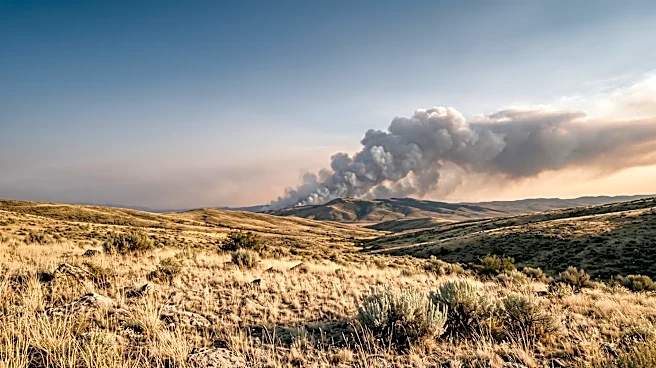
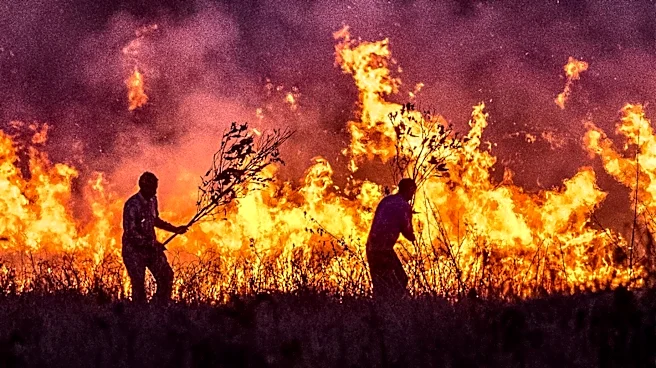
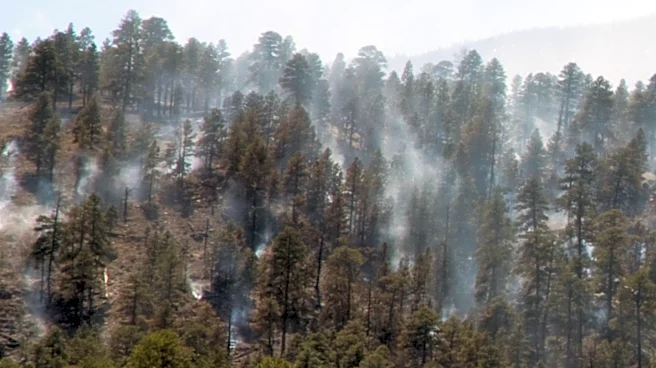
Two new wildfires, the Little Mountain Fire and the Salt Wells Fire, have rapidly ignited and grown in Box Elder County, Utah, collectively burning almost 1,000 acres. The Little Mountain Fire, located west of Bear River City and Corrine, has consumed
400 acres and is currently threatening structures, though it is not yet confirmed if these are residential homes or businesses. No evacuations have been issued for this fire. Northwest of the Little Mountain Fire, the Salt Wells Fire was discovered early Friday morning in the Hansel Valley and has already burned nearly 600 acres. Utah Fire Info has indicated that the Salt Wells Fire was human-caused, but the specific source of ignition has not yet been identified. These incidents highlight a challenging period for forestry services in the region, as they also contend with other environmental and wildlife management issues.
Why It's Important?
The rapid spread of these wildfires in Box Elder County poses significant immediate threats to both property and natural resources. The potential loss of homes or businesses, even if currently unconfirmed, represents a direct economic and social impact on the affected communities. Wildfires also lead to air quality degradation, which can have public health implications, and can cause long-term ecological damage to the affected landscapes. Furthermore, the human-caused nature of the Salt Wells Fire underscores the ongoing challenge of preventing such incidents, often linked to recreational activities or negligence. The strain on local and state firefighting resources is also a critical concern, especially if multiple large-scale fires occur simultaneously. This situation emphasizes the importance of public awareness and adherence to fire safety regulations to protect both lives and property in fire-prone regions.
What's Next?
Firefighting crews will continue their efforts to contain both the Little Mountain Fire and the Salt Wells Fire in Box Elder County. Authorities will likely provide updates on the containment progress, the extent of structural threats, and any potential evacuation orders as the situation evolves. Investigations into the exact cause of the human-ignited Salt Wells Fire are expected to continue, which could lead to enforcement actions or public awareness campaigns aimed at preventing future incidents. Residents in the vicinity of the fires should remain vigilant and follow instructions from local emergency services. Additionally, forestry services will assess the long-term environmental impact of the fires and plan for rehabilitation efforts in the affected areas once the fires are under control.
Beyond the Headlines
The occurrence of these wildfires, particularly the human-caused Salt Wells Fire, brings to light broader discussions about land management practices and public responsibility in natural areas. Beyond the immediate firefighting response, there is an underlying need for sustained public education on fire prevention, especially in areas prone to dry conditions. The incident also implicitly raises questions about resource allocation for wildfire management and the effectiveness of current strategies in a changing climate, which can exacerbate fire risks. The long-term ecological recovery of the burned areas, including soil erosion, water quality, and wildlife habitat restoration, will be a significant undertaking. This event serves as a stark reminder of the delicate balance between human activity and environmental preservation in vulnerable ecosystems.