





What's Happening?
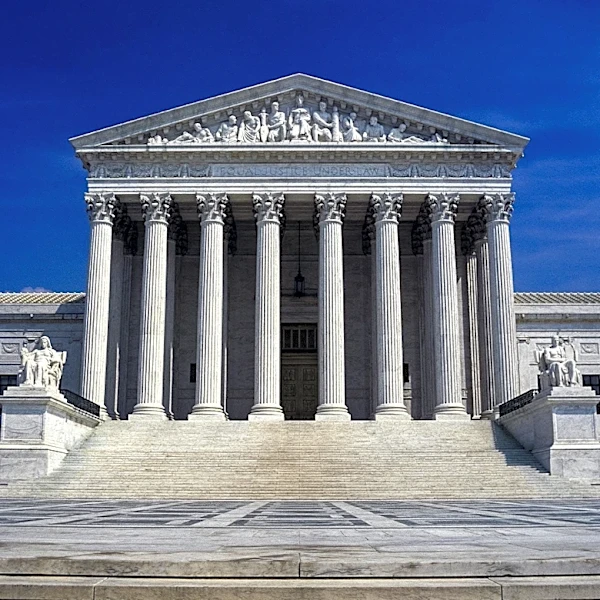
A coalition of organizations has filed a lawsuit against the Trump-Vance administration following recent cuts to the Teen Pregnancy Prevention Program (TPPP). The lawsuit, filed in the U.S. District Court for the District of Columbia, names the U.S. Department
of Health and Human Services (HHS) and HHS Secretary Robert F. Kennedy Jr. as defendants. Plaintiffs include Planned Parenthood of the Heartland, the Sexuality Information and Education Council of the United States (SIECUS), Democracy Forward, and the Public Citizen Litigation Group. The complaint challenges the administration's decision to revoke two new Notice of Funding Opportunities (NOFO) that imposed new criteria for funding awards, which the plaintiffs argue are not based on statutory criteria set by Congress. The lawsuit seeks to declare the new policy unlawful, citing violations of the 2026 Appropriations Act and the Administrative Procedure Act.
Why It's Important?
The lawsuit highlights significant concerns about the administration's approach to public health funding, particularly in programs aimed at reducing teen pregnancy. The cuts to the TPPP could disrupt proven programs that provide medically accurate and inclusive sex education, potentially affecting the health and well-being of young people nationwide. The case underscores ongoing tensions between evidence-based public health initiatives and ideological policy shifts. The outcome of this lawsuit could have broader implications for how public health programs are funded and administered, potentially influencing future policy decisions and the allocation of resources to similar programs.
What's Next?
The lawsuit seeks to overturn the administration's policy changes and restore funding to the TPPP. If successful, it could reinforce the importance of evidence-based criteria in public health funding decisions. The case may also prompt further legal and political scrutiny of the administration's public health policies. Stakeholders, including public health advocates and policymakers, will likely monitor the case closely, as its outcome could impact future funding and programmatic decisions in the realm of teen pregnancy prevention and beyond.