







What's Happening?
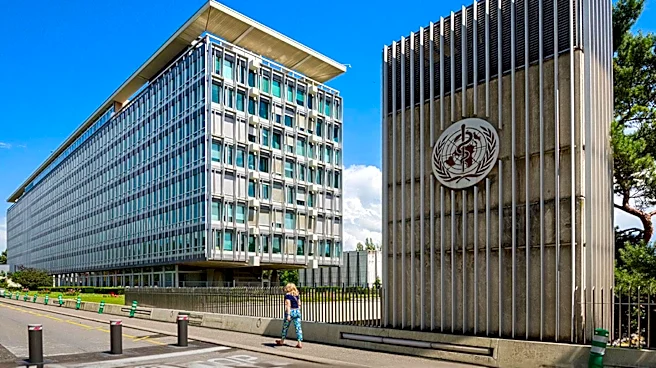
On November 2, 2026, the International Federation of Pharmaceutical Manufacturers & Associations (IFPMA) delivered a statement at the ninth meeting of the Intergovernmental Working Group (IGWG 9) on the WHO Pandemic Agreement. The IFPMA emphasized the critical
need for a strong and effective Bureau to guide negotiations towards a workable outcome. A primary concern raised by IFPMA is that some proposed requirements for laboratories and databases within the Pathogen Access and Benefit-Sharing (PABS) system could become overly burdensome, potentially discouraging participation from key actors. The organization stressed that for the PABS system to be effective, it must secure the active involvement of all necessary participants, including laboratories, databases, and companies involved in developing and manufacturing pandemic products. IFPMA highlighted that conditions governing participation must foster trust, clarity, and incentives, rather than creating unnecessary barriers or transforming scientific infrastructure into compliance mechanisms.
Why It's Important?
The IFPMA's statement underscores a significant challenge in global pandemic preparedness: balancing regulatory requirements with the need for broad participation from the scientific and industrial communities. If the proposed PABS system creates disincentives for laboratories and companies, it could hinder rapid access to pathogen materials and information essential for quick research and development during future health crises. The pharmaceutical industry, represented by IFPMA, plays a crucial role in developing medical countermeasures, as demonstrated during past outbreaks like Ebola and COVID-19 through voluntary collaboration, R&D investment, and manufacturing scale-up. A system that fails to encourage this participation could delay the development and equitable distribution of vital pandemic products, ultimately compromising global health security and leaving populations vulnerable to emerging threats.
What's Next?
As negotiations for the WHO Pandemic Agreement continue, Member States will need to carefully consider the concerns raised by organizations like IFPMA. The focus will likely be on refining the proposed PABS system to ensure it encourages broad participation while still achieving its goals of equitable access and benefit-sharing. Future discussions will need to assess whether the current arrangements will effectively incentivize laboratories, databases, and pharmaceutical companies to engage rapidly and effectively when the next pandemic threat arises. The outcome of these negotiations will shape the global framework for responding to future pandemics, influencing how quickly and efficiently the world can develop and deploy necessary medical interventions.
Beyond the Headlines
The debate surrounding the WHO Pandemic Agreement touches upon deeper implications regarding intellectual property rights, global equity, and the role of private industry in public health. The tension between ensuring broad access to essential health products and incentivizing innovation through private sector investment is a long-standing challenge. Overly stringent regulations could stifle the very innovation needed to combat novel pathogens, while insufficient frameworks could perpetuate inequities in access. The success of the PABS system will depend on its ability to navigate these complex ethical and economic considerations, fostering a collaborative environment where scientific advancement and global health equity are mutually reinforced. This negotiation is not just about a legal framework but about establishing a sustainable model for global health cooperation in an increasingly interconnected world.