


What's Happening?
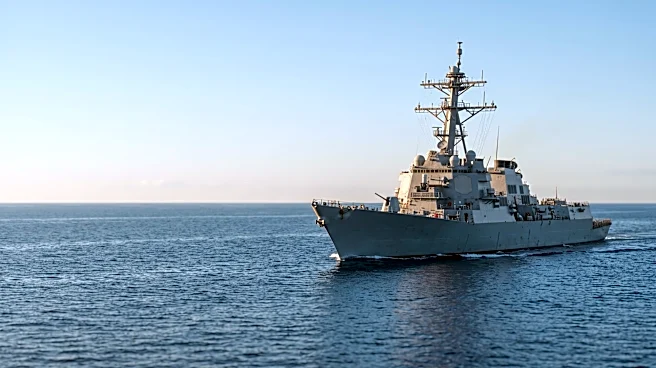
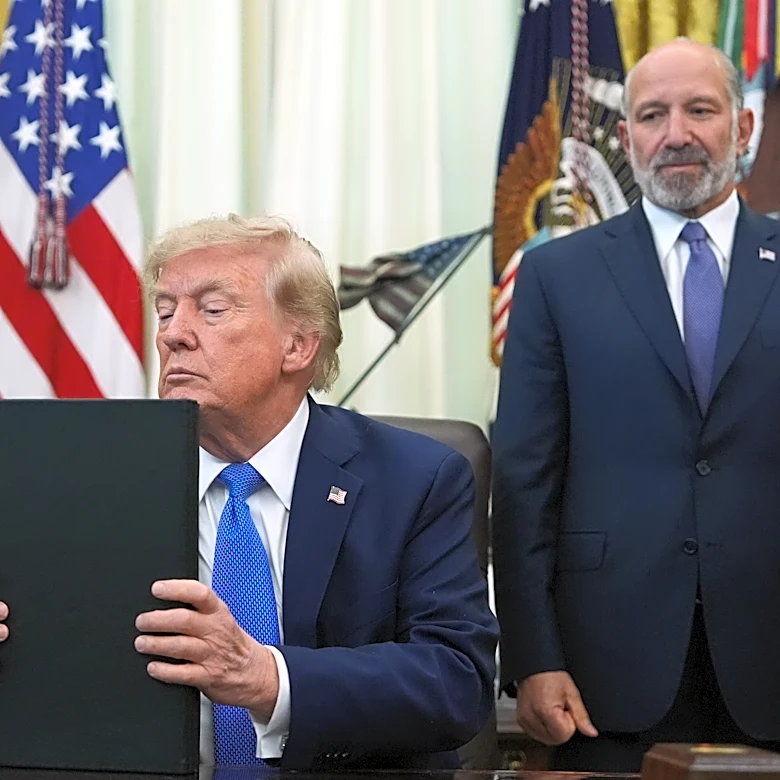
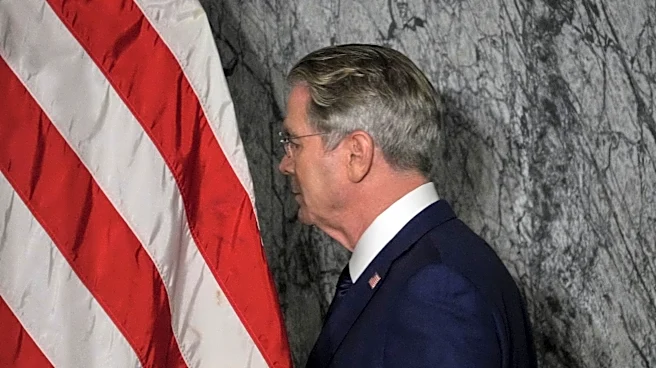
President Trump announced his nomination of acting Navy Secretary Hung Cao for the permanent position. This nomination comes as concerns have been raised regarding the strain on some sailors, particularly during the Iran war. Cao has been serving as acting Navy secretary
since John Phelan's unexpected departure in late April. Unlike his predecessor, Cao has a military background, having served 25 years in the Navy as a special operations officer with SEAL teams and special forces in Iraq and Afghanistan. President Trump lauded Cao as a 'true WARRIOR' and urged the Senate to confirm him swiftly. Cao, a Trump loyalist, previously served as Navy undersecretary and championed the return to duty of service members who refused the Biden-era COVID-19 vaccine mandate. He also expressed no issue with the Blue Angels' low flight over a Florida beach, which caused disruption.
Why It's Important?
The nomination of Hung Cao for permanent Navy Secretary is significant due to the ongoing concerns about the operational demands placed on the U.S. Navy. Reports of deteriorating mental health among crew members and shortages of supplies on ships, such as the USS Abraham Lincoln during its nine-month deployment for the Iran war, highlight the critical need for effective leadership. Cao's military background and experience with SEAL teams could bring a different perspective to addressing these challenges compared to his predecessor, who lacked military service. His previous stance on the COVID-19 vaccine mandate and his alignment with President Trump's views suggest a potential shift in policy and priorities within the Navy's leadership. This appointment could influence the morale, readiness, and strategic deployment of naval forces, impacting national security and the well-being of service members.
What's Next?
Hung Cao's nomination will now proceed to the Senate for confirmation. President Trump has urged the Senate to confirm him 'ASAP.' During the confirmation process, senators are likely to scrutinize Cao's past actions, his plans for addressing the challenges facing the Navy, and his views on military readiness and personnel welfare. Democratic lawmakers, who have already expressed concerns about the overtaxing of the Navy and conditions aboard ships like the USS Abraham Lincoln, are expected to press for accountability from the Pentagon. The outcome of this confirmation will determine the long-term leadership of the Navy and could set the tone for future policies regarding military deployments, personnel management, and resource allocation. This nomination also occurs amidst broader upheaval in the top ranks of the U.S. military, as evidenced by the recent resignation of Army Secretary Dan Driscoll.
Beyond the Headlines
The appointment of a new Navy Secretary, especially one with a strong military background and clear political alignment, could have deeper implications for the civil-military relationship and the future direction of the U.S. armed forces. The emphasis on a 'warrior' leader might signal a shift towards more aggressive operational postures or a focus on combat readiness over other considerations. The concerns raised by Democratic lawmakers about the strain on sailors and the conditions on deployed vessels point to a potential ethical dilemma between strategic objectives and the welfare of service members. Furthermore, Cao's previous support for returning unvaccinated service members to duty and his dismissal of concerns regarding the Blue Angels' flight path could indicate a leadership style that prioritizes certain directives over established protocols or public concerns, potentially affecting trust and morale within the Navy and among the public.