




What's Happening?
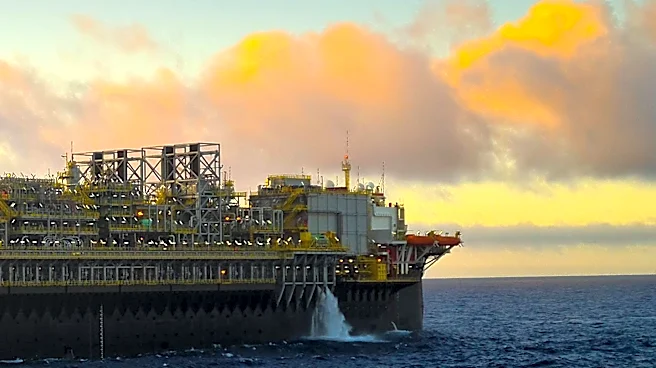
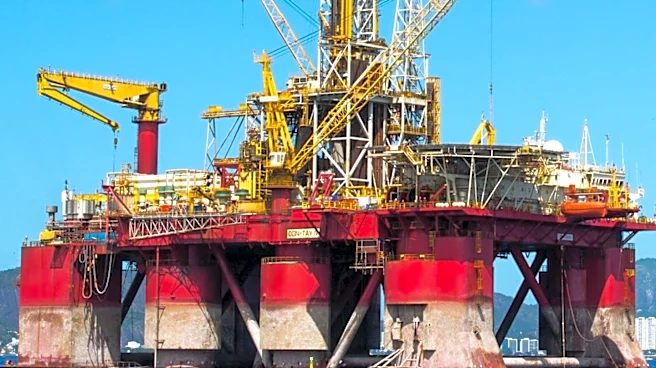
The Rosebank oil field in the North Sea, the UK's largest undeveloped oil and gas field, faces delays after drilling equipment was accidentally dropped into the sea. The incident has postponed production, initially expected by the end of the year, to 2027.
The field, managed by Adura, is projected to produce 300 million barrels of oil over 25 years. The delay comes amid pressure on the UK government from the fossil fuel industry to enhance domestic oil production, despite opposition from climate campaigners and some Labour MPs. The new energy secretary, Miatta Fahnbulleh, is set to decide on the field's future after emissions consultations conclude in August.
Why It's Important?
The delay at Rosebank highlights the ongoing tension between energy security and environmental concerns. Enhanced domestic oil production is seen by some as a way to tackle the cost of living and improve energy security amid global instability. However, environmental groups argue that the impact on the UK economy would be minimal and that new drilling could harm the climate. The situation underscores the challenges governments face in balancing economic needs with environmental commitments, influencing public policy and energy strategies.
What's Next?
The UK government will need to navigate complex political and environmental considerations in deciding the future of the Rosebank site. The decision could set a precedent for other oil and gas projects in the region. Environmental groups may pursue legal action if new drilling is approved, potentially leading to further delays. The outcome will be closely watched by industry stakeholders, environmentalists, and policymakers, as it could impact the UK's energy policy and climate commitments.