




What's Happening?
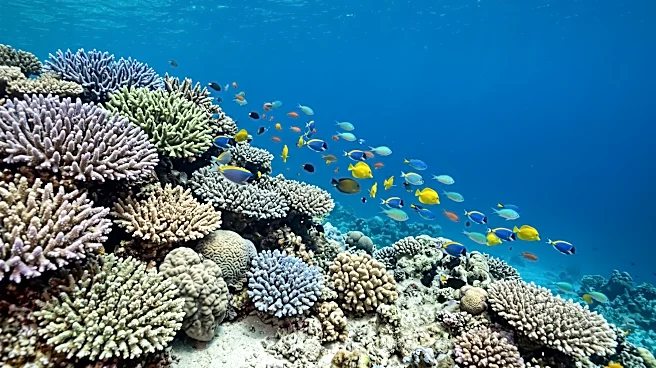
The U.S. hospitality industry, particularly resorts in Hawaii, the Florida Keys, and the Caribbean, is increasingly adopting mineral sunscreens. This shift is driven by both regulatory requirements and growing guest demand for reef-safe options. Mineral
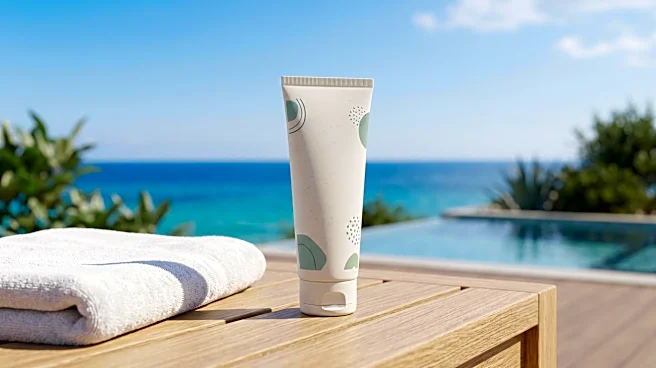
sunscreens, which use zinc oxide or titanium dioxide, physically block UV rays and are considered safer for sensitive skin and marine ecosystems compared to chemical sunscreens. The American Academy of Dermatology recommends using a full ounce of sunscreen for the entire body, an amount often underestimated by users. While SPF 30 blocks approximately 97% of UVB rays, SPF 50 blocks about 98%, offering enhanced protection for prolonged sun exposure or specific activities. The term 'reef-safe' lacks federal legal definition in the U.S., necessitating consumers to verify ingredient lists for harmful chemicals like oxybenzone and octinoxate. Project Reef, a brand committed to ocean-conscious sun protection, holds B Corp, Climate Neutral, and Ocean Positive certifications, and supports ocean-bound plastic removal with every product sold.
Why It's Important?
This trend signifies a growing awareness and prioritization of environmental and health concerns within the U.S. tourism and hospitality sectors. The move towards mineral sunscreens directly addresses the ecological impact of chemical UV filters on coral reefs, particularly in sensitive marine environments. For consumers, it means increased access to products that are perceived as safer for both their skin and the environment, influencing purchasing decisions and brand loyalty. The lack of federal regulation for the term 'reef-safe' highlights a critical gap in consumer protection and environmental standards, placing the onus on individuals to research product ingredients. This shift also presents a business opportunity for brands like Project Reef that align with sustainability values, while potentially challenging traditional sunscreen manufacturers to innovate and adapt to changing market demands and regulatory landscapes.
What's Next?
The hospitality industry is likely to continue expanding its offerings of mineral sunscreens, potentially leading to wider availability in resort gift shops, spas, and poolside dispensers. This could further normalize the use of mineral sunscreens among travelers and local populations. Increased consumer education campaigns, possibly led by environmental organizations or dermatological associations, may emerge to clarify the meaning of 'reef-safe' and guide consumers in making informed choices. There could also be a push for federal regulatory bodies to establish clear definitions and standards for 'reef-safe' sunscreen claims, providing greater transparency and accountability for manufacturers. Brands that fail to adapt to these evolving consumer preferences and environmental regulations may experience a decline in market share, while those that embrace sustainable practices are poised for growth.
Beyond the Headlines
The transition to mineral sunscreens in the hospitality sector reflects a broader societal shift towards conscious consumerism and environmental stewardship. This movement extends beyond sunscreen to other personal care products and services, indicating a growing demand for transparency, ethical sourcing, and ecological responsibility from businesses. The emphasis on 'reef-safe' products underscores the interconnectedness of human activities and environmental health, particularly in vulnerable ecosystems. This trend could inspire similar changes in other industries, promoting a more holistic approach to sustainability. Furthermore, it highlights the power of consumer demand and local regulations in driving industry-wide changes, even in the absence of comprehensive federal mandates, fostering a more environmentally responsible marketplace.