





What's Happening?
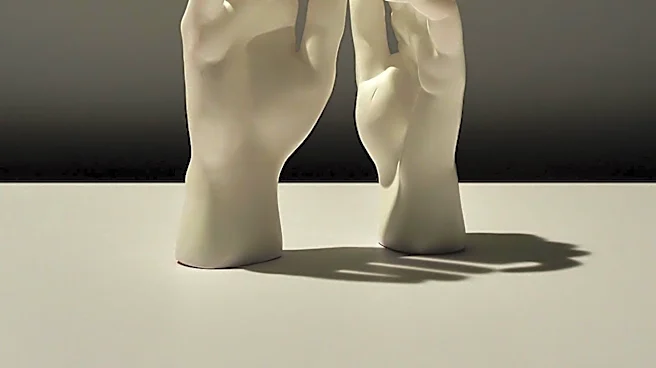
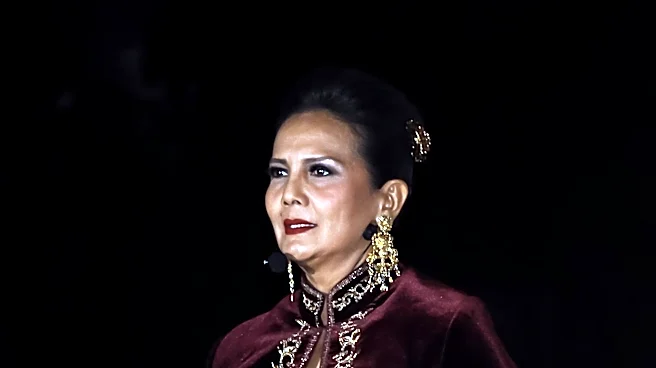
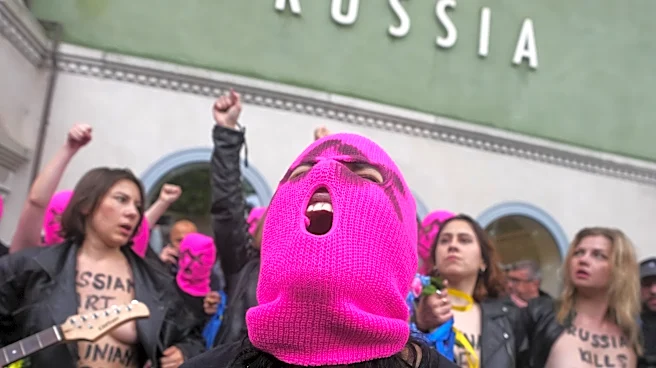
The 61st Venice Biennale, titled 'In Minor Keys,' has opened to the public, showcasing a wide array of artistic expressions from around the world. The event features national pavilions and independent exhibitions, with standout installations such as Ei
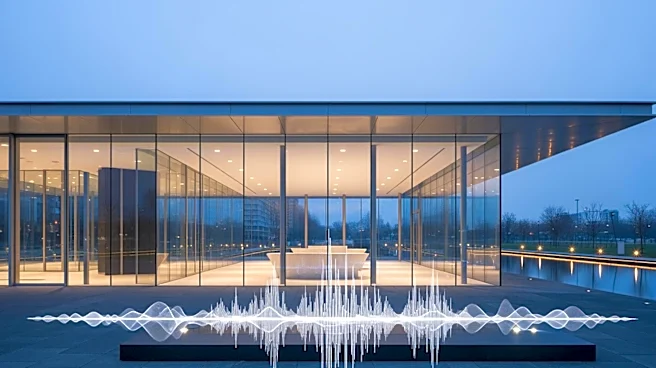
Arakawa-Nash's 'Grass Babies, Moon Babies' at the Japan Pavilion and Dayanita Singh's 'Archivio' at the State Archives of Venice. The Biennale also includes performances and installations addressing contemporary issues, such as the Holy See Pavilion's exploration of peace and technology, and Gabrielle Goliath's 'Elegy,' which mourns marginalized lives. The event reflects the intersection of art and global socio-political dynamics.
Why It's Important?
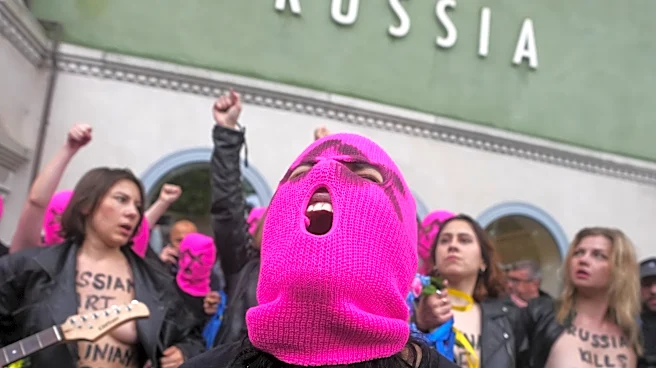
The Venice Biennale is a prestigious platform for contemporary art, offering artists the opportunity to present their work to an international audience. This year's event is particularly significant as it addresses pressing global issues, such as censorship, surveillance, and the impact of technology on society. The Biennale serves as a cultural barometer, reflecting the current state of the world and the role of art in challenging and interpreting these realities. It also highlights the power of art to foster dialogue and understanding across cultural and political divides, making it a crucial event for the global art community.
Beyond the Headlines
The Venice Biennale's focus on contemporary issues underscores the evolving role of art in society. As artists engage with topics like censorship and technology, the event raises questions about the responsibilities of artists and institutions in addressing these challenges. The Biennale also highlights the potential of art to influence public discourse and policy, as seen in the Holy See Pavilion's integration of religious and technological themes. This intersection of art and activism suggests a growing trend of artists using their platforms to advocate for change, potentially shaping future cultural and political landscapes.