









What's Happening?
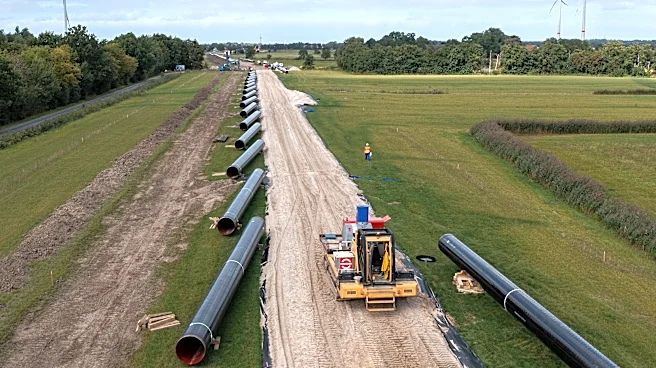
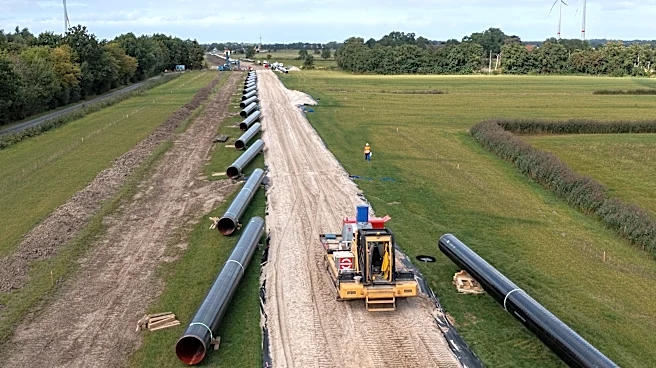
The premiers of Alberta and Ontario have proposed a new pipeline to transport oil from western Canada to the east. This initiative aims to diversify Canada's oil exports beyond the U.S., its primary market. Alberta Premier Danielle Smith announced that
the proposed pipeline would stretch 3,300 kilometers from Hardisty, Alberta, to Sarnia, Ontario, with a capacity of up to 800,000 barrels per day. Ontario Premier Doug Ford emphasized the project's potential as a sound investment, whether publicly or privately financed. However, the proposal faces significant challenges, including securing financing, obtaining regulatory approvals, and consulting with Indigenous communities. A similar project, Energy East, was previously abandoned in 2017 due to political and environmental opposition.
Why It's Important?
This pipeline proposal is significant as it represents a strategic move by Canada to reduce its reliance on the U.S. market for oil exports. By potentially extending the pipeline to the Atlantic coast, Canada could open new export routes to Europe, thereby enhancing its economic resilience. The project also underscores the ongoing tension between economic development and environmental concerns, as past pipeline projects have faced substantial opposition. The proposal could impact various stakeholders, including Indigenous communities, environmental groups, and the oil industry, each with differing interests and concerns.
What's Next?
The next steps for the pipeline proposal include conducting a feasibility study and navigating the complex landscape of regulatory approvals and stakeholder consultations. The project's success will depend on overcoming these hurdles and addressing the concerns of Indigenous populations and environmental advocates. Additionally, Alberta's plans to double oil production over the next decade could further influence the project's trajectory and the broader Canadian energy policy landscape.