






What's Happening?
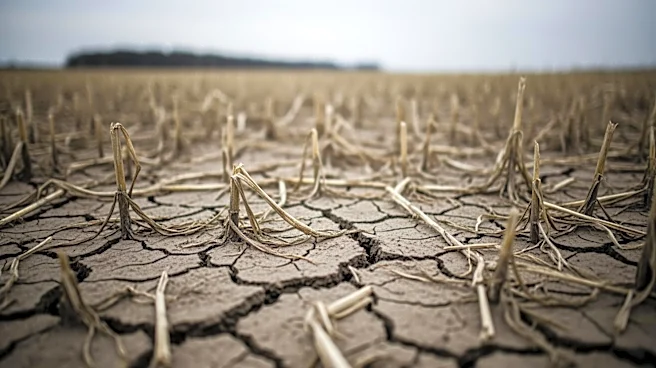
Farmers in Dhanusha, Madhesh Province, are facing significant crop failures due to adverse weather conditions and pest infestations. Wheat, a major crop in the region, has been severely affected by strong winds and hailstorms, preventing the development
of healthy grains. Farmers have invested heavily in plowing, irrigation, and fertilizers, but these efforts have not yielded the expected returns. The Agriculture Knowledge Center reports that production is expected to drop significantly this year, with precise data on the damage still pending. The lack of government support and reliable data exacerbates the challenges faced by farmers, many of whom are considering abandoning agriculture for other employment opportunities.
Why It's Important?
The crop failure in Dhanusha highlights the vulnerability of farmers to climate-related challenges and the need for improved agricultural support systems. The loss of crops not only affects the livelihoods of farmers but also has broader implications for food security in the region. The situation underscores the importance of developing resilient agricultural practices and infrastructure to withstand adverse weather conditions. Additionally, the lack of government intervention and support raises concerns about the sustainability of agriculture as a viable livelihood, potentially leading to increased migration and economic instability in rural areas.
What's Next?
Authorities are expected to conduct further assessments to determine the full extent of the damage and develop strategies to support affected farmers. This may include providing financial assistance, access to quality seeds and fertilizers, and implementing pest control measures. The government may also need to invest in research and development to improve crop resilience and adapt to changing climate conditions. Stakeholders, including agricultural organizations and policymakers, may advocate for more comprehensive support systems to prevent similar crises in the future.