






What's Happening?
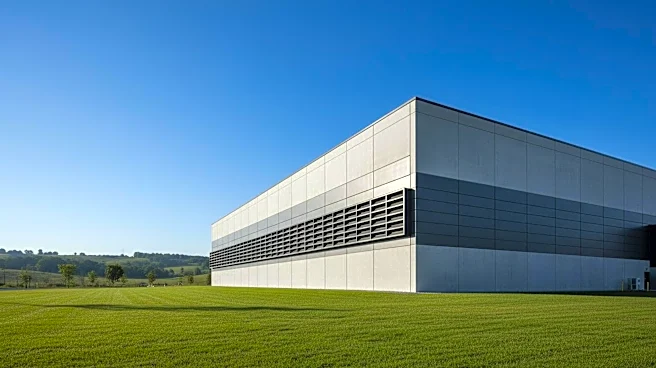
Pennsylvania Governor Josh Shapiro has signed an executive order to establish what he describes as the nation's strictest guardrails on Artificial Intelligence (AI) data centers. This action comes in response to a surge of speculative data center proposals
across the Commonwealth, many of which, according to Shapiro, lack detailed plans, sufficient financing, and disregard for local communities. The executive order implements the Governor's Responsible Infrastructure Development (GRID) Requirements, which were previously introduced in his budget address. These requirements mandate that data center developers bring their own power, pay all associated electricity costs, obtain an increasing portion of power from clean energy sources, be transparent with local communities, hire local workers, offer community benefits agreements, and secure local legal approval. The order also removes all data centers from the state's Fast Track permitting program and makes future data center projects ineligible. Developers must provide a notice of intent to comply with GRID, present detailed plans to the Department of Environmental Protection (DEP), and sign a legally binding consent order with penalties for non-compliance. Nondisclosure agreements for data center projects are also prohibited.
Why It's Important?
This executive order is a significant move to protect Pennsylvania residents from potential negative impacts of unchecked AI data center development, including rising electricity costs and environmental concerns. The rapid growth of the AI industry has led to increased demand for electricity, straining existing grids and prompting backlash from communities across the country. By requiring developers to 'bring their own power' and pay all associated costs, the order aims to prevent homeowners and businesses from bearing the financial burden of these energy-intensive facilities. The emphasis on clean energy sources for data centers also aligns with broader environmental goals. Furthermore, the mandate for transparency, local hiring, and community benefits seeks to empower local communities and ensure that development benefits residents rather than solely developers. The removal of data centers from the Fast Track permitting program and the prohibition of nondisclosure agreements are intended to increase public oversight and prevent developers from bypassing local concerns. This action could serve as a model for other states grappling with the challenges of AI data center proliferation.
What's Next?
AI data center developers wishing to operate in Pennsylvania must now comply with these stringent, legally binding requirements. The Department of Environmental Protection (DEP) will scrutinize developers' plans, and failure to comply will result in penalties and disqualification from existing sales tax exemptions on data center equipment. Governor Shapiro has also directed his new Special Counsel on Energy Affordability to work with the Pennsylvania Utility Commission (PUC) to establish rules ensuring that infrastructure costs caused by data centers are paid by the data centers themselves, not by homeowners or businesses. In emergency situations where energy demand exceeds supply, data centers will be the first to be cut off. This executive order is expected to face scrutiny and potential challenges from developers who may find the new regulations too restrictive. The effectiveness of these guardrails will depend on their enforcement and the willingness of developers to adapt to Pennsylvania's new operating environment. The move could also influence legislative efforts in other states considering similar regulations for data center development.
Beyond the Headlines
Governor Shapiro's executive order delves into the ethical and societal implications of rapid technological advancement, particularly in AI. By prioritizing community input, environmental protection, and equitable cost distribution, the order addresses concerns that extend beyond immediate economic benefits. The prohibition of nondisclosure agreements and the emphasis on transparency reflect a growing demand for corporate accountability in large-scale development projects. The order also highlights the tension between fostering technological innovation and safeguarding local quality of life and resources. The requirement for data centers to use clean energy sources underscores the increasing pressure on the tech industry to adopt sustainable practices. This initiative could spark a broader conversation about how states can regulate emerging technologies to ensure they serve the public good without stifling innovation, setting a precedent for how governments balance economic growth with social and environmental responsibilities in the age of AI.