






What's Happening?
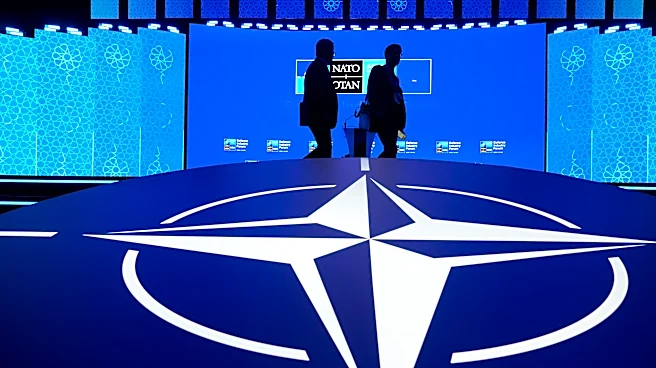
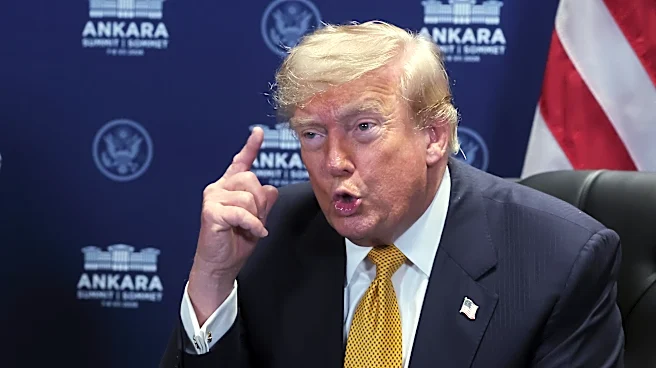
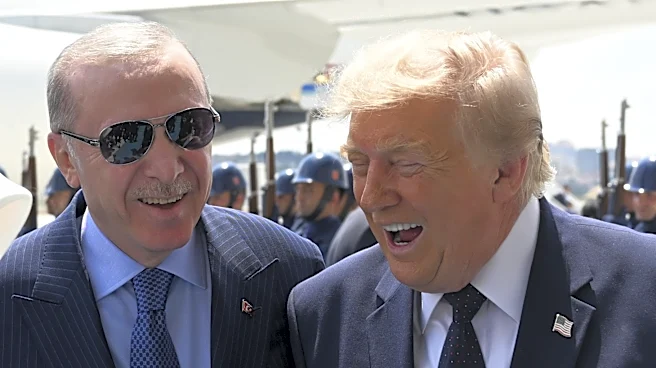
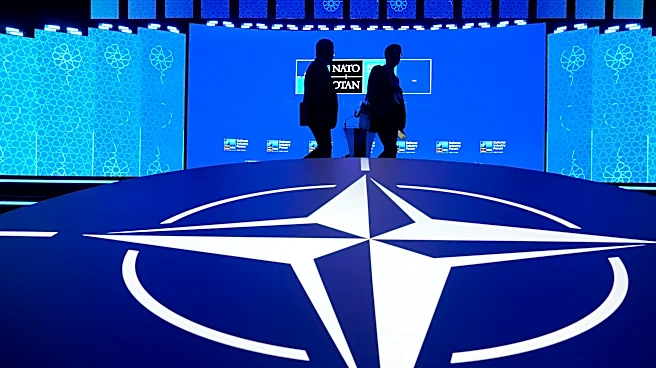
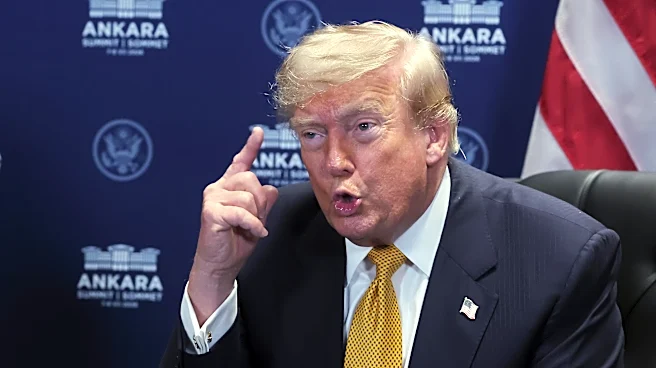
President Trump has made a series of conflicting statements regarding Iran, which were highlighted in a CNN segment. During a NATO summit in Turkey, Trump described Iranian leaders as 'dangerous' and 'sick,' a stark contrast to his previous comments at the
G7 summit in France, where he referred to them as 'rational' and 'smart.' This inconsistency was showcased in a split-screen montage by CNN host Abby Phillip, who noted the drastic change in Trump's rhetoric. The montage included Trump's varied descriptions of Iranian leaders, ranging from 'scum' to 'good people who love their country.' These statements come amid ongoing U.S.-Israeli military actions in Iran, which have resulted in significant casualties, including the deaths of U.S. service members and Iranian civilians.
Why It's Important?
The inconsistency in President Trump's statements on Iran is significant as it reflects the broader challenges in U.S. foreign policy and diplomatic relations. Such contradictory rhetoric can undermine the credibility of U.S. positions on the international stage and complicate diplomatic efforts. The military actions in Iran have already led to substantial loss of life, raising ethical and strategic questions about the U.S.'s approach to conflict resolution. The mixed messages may also affect domestic and international perceptions of U.S. leadership, potentially influencing public opinion and policy decisions.
What's Next?
The ongoing military conflict and President Trump's fluctuating statements are likely to continue drawing criticism from anti-war advocates and international observers. The U.S. administration may face increased pressure to clarify its stance and strategy regarding Iran. Additionally, there could be calls for more consistent and transparent communication from the White House to avoid further diplomatic tensions. The situation may also prompt discussions within Congress and among allies about the future of U.S. involvement in the region.