




What's Happening?
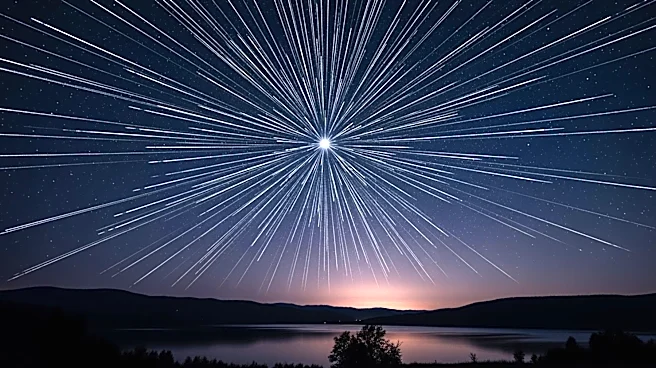
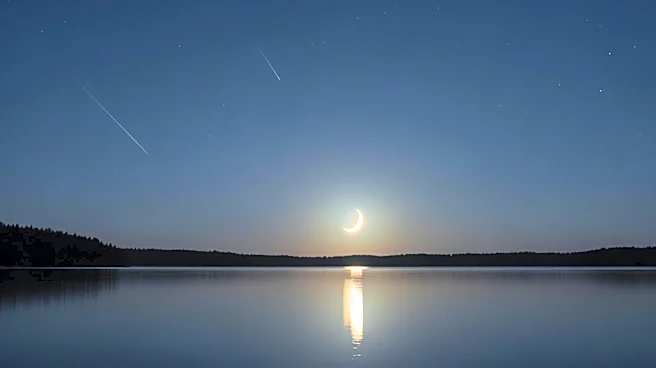
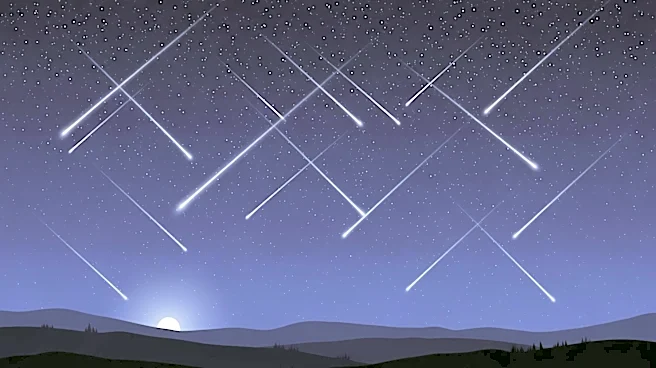
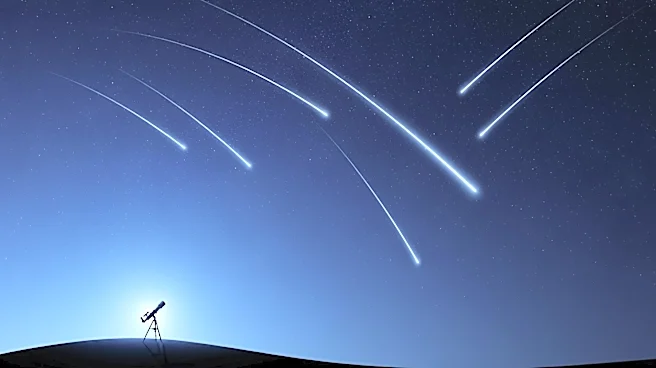
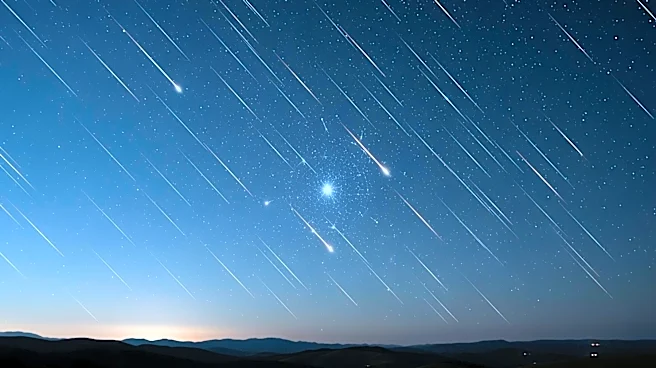
The Eta Aquarids meteor shower, associated with Halley's Comet, is set to peak overnight from May 5 to May 6. This annual event occurs as Earth passes through the debris trail left by the comet, resulting in a display of meteors or 'shooting stars.' According
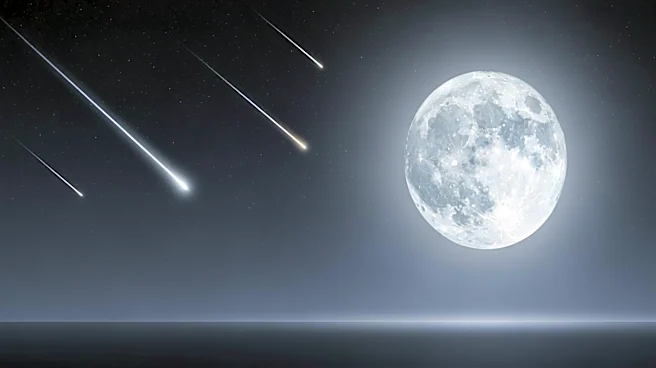
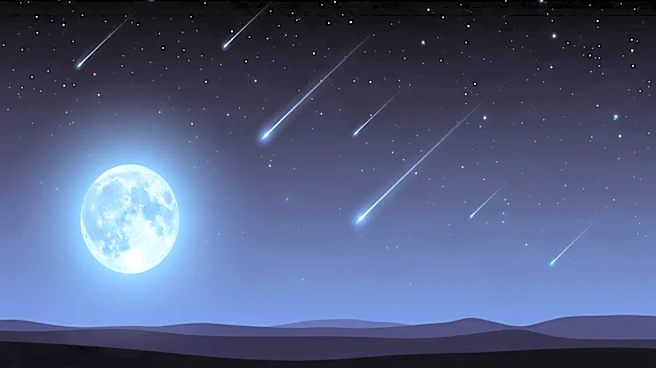
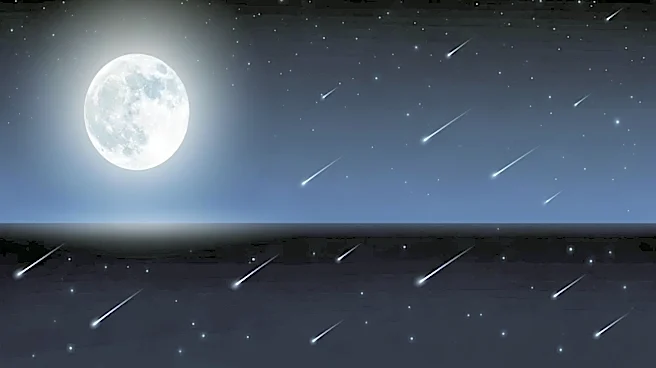
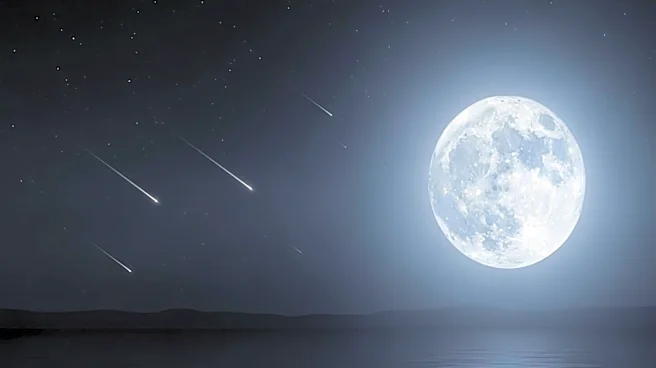
to the American Meteor Society, viewers in the southern hemisphere can expect to see up to 50 meteors per hour, while those in the northern hemisphere, including the U.S., might see 10 to 30 meteors per hour. The best viewing time is just before dawn. However, this year, a bright moon may reduce visibility, especially in the northern hemisphere, where the meteor rate could drop to fewer than 10 per hour.
Why It's Important?
Meteor showers like the Eta Aquarids offer a unique opportunity for public engagement with astronomy and science. They provide a natural spectacle that can inspire interest in space and science, particularly among young people. For amateur astronomers and enthusiasts, these events are a chance to observe celestial phenomena without the need for specialized equipment. The Eta Aquarids, originating from Halley's Comet, also serve as a reminder of the dynamic and interconnected nature of our solar system, highlighting the ongoing interactions between Earth and other celestial bodies.
What's Next?
Following the Eta Aquarids, the next major meteor showers will be the Alpha Capricornids and the Southern Delta Aquarids, which peak in late July. These events will provide further opportunities for stargazing and public interest in astronomy. As for Halley's Comet, it will not return to the inner solar system until 2061, making these meteor showers a significant way to experience its influence in the meantime. Observers are encouraged to find dark, open areas away from city lights for the best viewing experience.