





What's Happening?
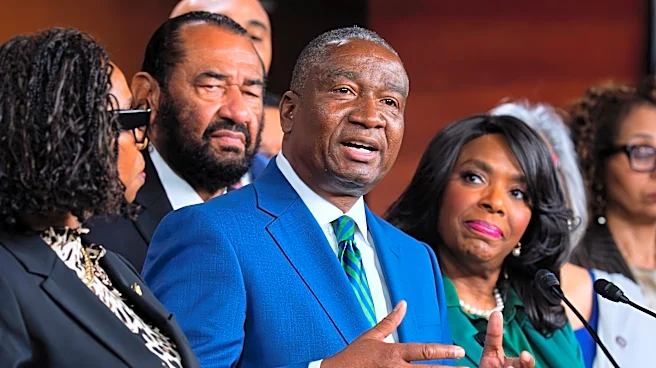
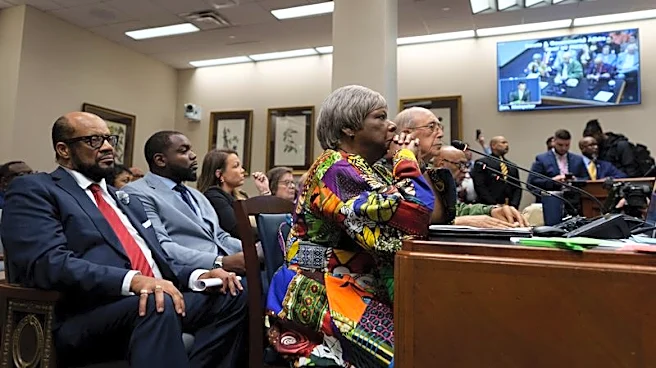
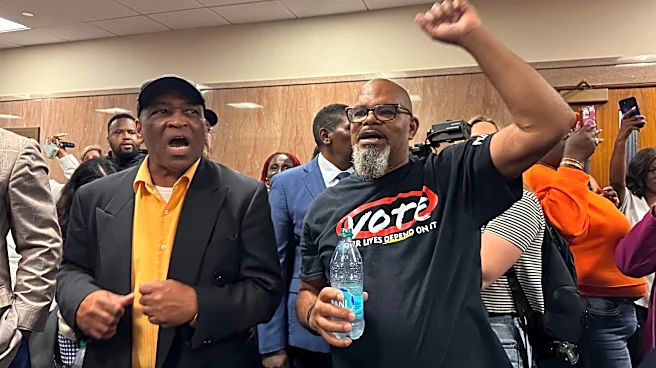
In Montgomery, Alabama, thousands gathered to rally for voting rights in response to recent actions by conservative states to dismantle congressional districts that have historically supported Black political representation. The rally, organized by groups
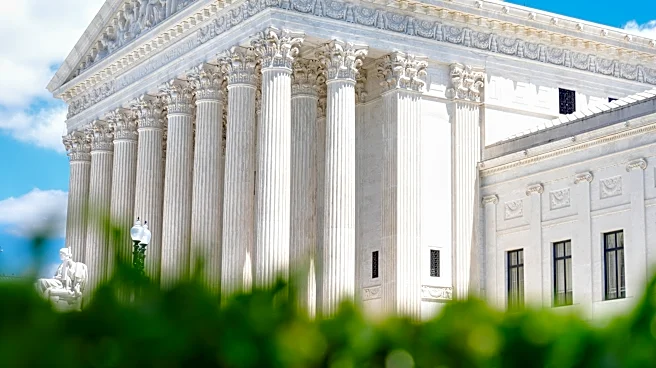
like Black Voters Matter, began in Selma, a pivotal location in the Civil Rights Movement, and moved to the state Capitol. This mobilization comes after a U.S. Supreme Court ruling involving Louisiana, which weakened voting rights laws, allowing for stricter voter ID laws and other restrictions. The rally aims to address what organizers see as a coordinated attack on Black political power, reminiscent of past struggles for civil rights.
Why It's Important?
The rally highlights ongoing concerns about the erosion of voting rights protections that were hard-won during the Civil Rights Movement. The Supreme Court's decision has significant implications for Black political representation, particularly in states with a history of racial discrimination in voting. The changes could potentially reshape political landscapes by reducing the influence of Black voters, which has broader implications for national politics. The rally underscores the urgency felt by civil rights advocates to protect and advance voting rights amidst these legal and political challenges.
What's Next?
The state of Alabama plans to hold special primaries under a new congressional map, which could favor Republican candidates. This development is part of ongoing litigation over the redistricting process. Civil rights groups and political leaders are likely to continue their advocacy and legal efforts to challenge these changes. The outcome of these efforts could influence future redistricting battles and voting rights legislation across the United States.
Beyond the Headlines
The rally in Alabama is not just about immediate political battles but also about the long-term fight for racial equality and representation in American democracy. The weakening of the Voting Rights Act is seen as a setback for civil rights, prompting a renewed commitment to activism and legal challenges. This situation raises ethical questions about the balance between state autonomy in election laws and the protection of minority voting rights, a debate that could shape the future of American electoral politics.