





What's Happening?
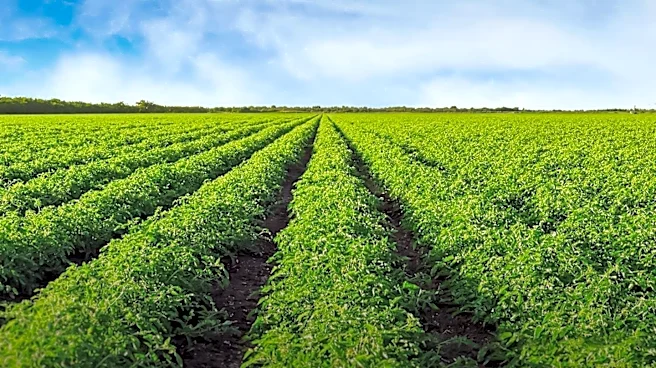
Colorado farmers are increasingly considering black-eyed peas as a lucrative and climate-friendly crop, particularly as the state faces a drier and hotter future. This initiative is driven by the need for less water-intensive agriculture in response to
climate change and dwindling water supplies. The Colorado Sun highlighted the potential of black-eyed peas, which are legumes native to sub-Saharan West Africa, as a viable option for farmers. Despite their historical presence in early Colorado, black-eyed peas have received mixed reviews over time. However, culinary experts, including 'Soul Food Scholar' Adrian Miller, are promoting diverse and interesting ways to prepare them, drawing from global recipes. This effort aims to create a stronger market for the crop and encourage both farmers to grow them and consumers to incorporate them into their diets.
Why It's Important?
The shift towards climate-friendly crops like black-eyed peas is crucial for the sustainability of agriculture in Colorado and other arid regions of the U.S. As climate change intensifies, water scarcity poses a significant threat to traditional farming practices. Black-eyed peas, being less water-dependent, offer a practical solution for farmers to maintain productivity while conserving precious water resources. This initiative also has economic implications, as a successful transition could provide new revenue streams for farmers and contribute to food security in the region. Furthermore, promoting the culinary versatility of black-eyed peas can help diversify American diets and introduce consumers to a nutritious and historically rich food source. The effort to create a market for these peas underscores the interconnectedness of environmental challenges, agricultural innovation, and cultural foodways.
What's Next?
The focus will likely be on educating farmers about the benefits and cultivation techniques of black-eyed peas, as well as developing robust supply chains to support their growth and distribution. Culinary promotion, through recipes and public awareness campaigns, will be essential to increase consumer demand. Organizations like Pueblo Seed & Food Co. are already developing new varieties of crowder peas suitable for the region, indicating ongoing research and development. Future efforts may include government incentives for farmers to adopt water-efficient crops and partnerships between agricultural bodies and food industries to integrate black-eyed peas into more products. The success of this initiative could serve as a model for other states grappling with similar climate and water challenges, fostering a broader shift towards sustainable agriculture.
Beyond the Headlines
The re-emergence of black-eyed peas as a climate-friendly crop in Colorado carries deeper cultural and historical significance. These legumes were brought to the Americas by European slavers and became a 'taste of home' for enslaved West Africans, deeply embedding them in soul food traditions. By promoting black-eyed peas, there's an opportunity to acknowledge and celebrate this rich heritage, connecting contemporary agricultural practices with historical narratives of resilience and adaptation. This initiative can foster a greater appreciation for diverse food cultures and their contributions to American cuisine. Moreover, it highlights the potential for traditional crops, often overlooked, to play a vital role in addressing modern environmental challenges, demonstrating how historical knowledge and cultural practices can inform sustainable solutions for the future. This also encourages a re-evaluation of what constitutes 'American' food and how it can evolve to meet new demands.