
What's Happening?
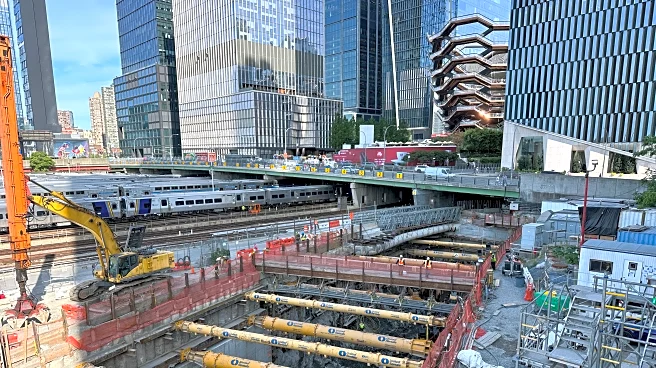
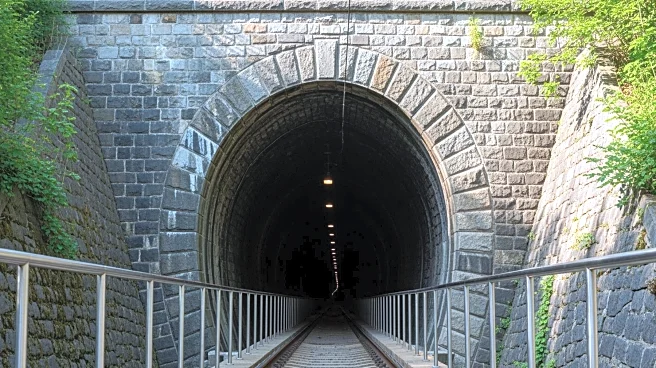
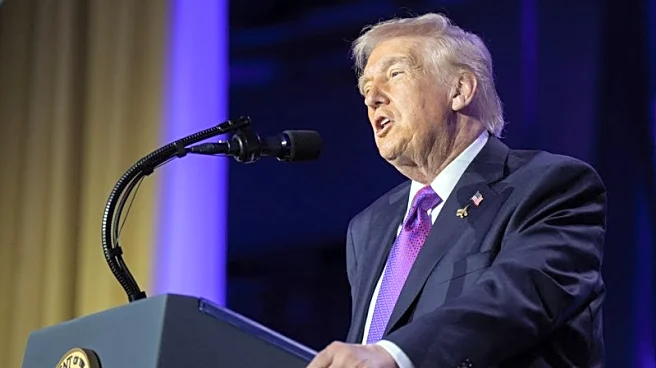
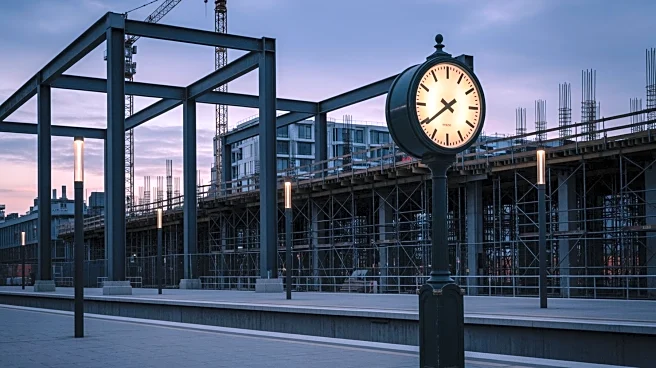
Rep. Mike Lawler (R-NY) has come under scrutiny following a report that President Trump pressured Sen. Chuck Schumer (D-NY) to name infrastructure projects after him in exchange for releasing $16 billion in frozen funds for a rail tunnel under the Hudson
River. Lawler, who downplayed the significance of naming buildings, was reminded of his past opposition to renaming the Tappan Zee Bridge after former New York Gov. Mario Cuomo. Lawler had previously introduced a bill to revert the bridge's name, citing controversies surrounding Andrew Cuomo. This inconsistency was highlighted during an ABC News interview, where Lawler was questioned about Trump's demands.
Why It's Important?
The situation underscores the political complexities surrounding infrastructure funding and naming rights. Lawler's differing stances on naming infrastructure projects reveal potential partisan biases, which could affect public trust and political negotiations. The demand from President Trump to have infrastructure named after him in exchange for funding raises ethical questions about leveraging public projects for personal legacy. This could set a precedent for future negotiations, impacting how infrastructure projects are funded and named, potentially prioritizing political gains over public interest.
What's Next?
The ongoing debate may lead to further discussions in Congress about the ethics of naming public infrastructure after political figures. Stakeholders, including lawmakers and the public, may push for clearer guidelines to prevent the use of public funds as leverage for personal or political gain. The outcome of this situation could influence future infrastructure projects and funding negotiations, potentially prompting legislative action to address these ethical concerns.
Beyond the Headlines
This incident highlights the broader issue of how political figures use public infrastructure projects to cement their legacies. It raises questions about the balance between honoring contributions and avoiding the politicization of public spaces. The ethical implications of such demands could lead to a reevaluation of how public projects are named and funded, ensuring they serve the public interest rather than individual political agendas.