
What's Happening?
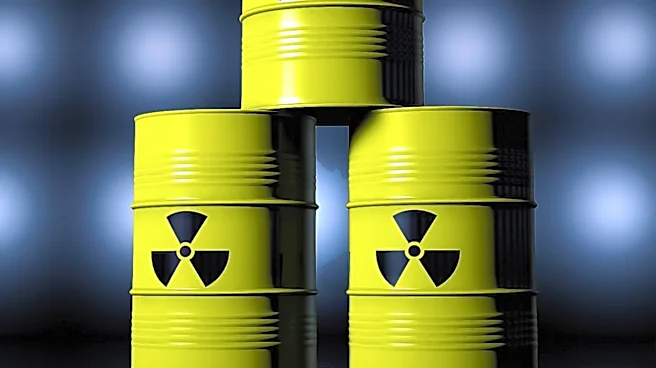
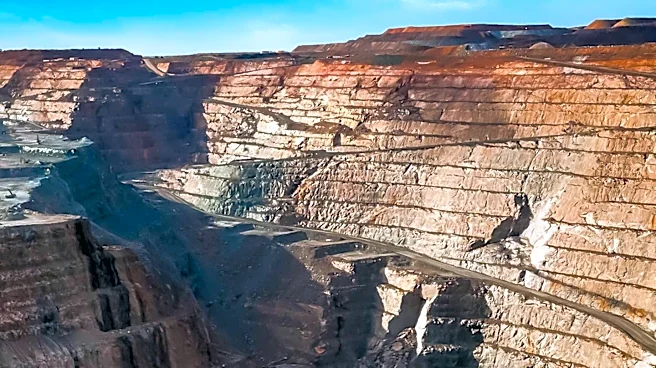
Colorado Representatives Brittany Pettersen and Joe Neguse are advocating for an expansion of the 1990 Radiation Exposure Compensation Act. This proposed expansion aims to recognize the Cotter uranium
mill near Cañon City and the former Rocky Flats nuclear weapons plant northwest of Denver as Manhattan Project waste sites. Such a designation would enable individuals residing in 57 specific zip codes near these sites, who have developed certain illnesses, to apply for medical expense reimbursement and a separate payment of $150,000. Additionally, the bill seeks to classify Colorado as a 'downwinder' state due to nuclear weapons testing in Nevada during the 1950s and 1960s. This would make Coloradans who lived in the state during that period and developed illnesses like leukemia and breast cancer eligible for restitution. Representative Pettersen initiated this legislation after hearing from constituents whose family members were ill or had passed away without qualifying for existing compensation.
Why It's Important?
This legislative push is significant for thousands of Coloradans who may have been unknowingly exposed to harmful radiation from historical nuclear activities. The expansion of the Radiation Exposure Compensation Act would provide much-needed financial relief for medical expenses and offer a measure of justice to those who have suffered health consequences. Beyond monetary compensation, the bill aims to formally acknowledge the long-term harm inflicted on generations of residents living near these nuclear sites. This recognition is crucial for affected communities, validating their experiences and the health challenges they have faced. The 'downwinder' designation for Colorado would also broaden the scope of eligibility, addressing the widespread impact of nuclear testing that extended far beyond immediate test sites, thereby setting a precedent for other states with similar historical exposures.
What's Next?
The proposed expansion of the Radiation Exposure Compensation Act will proceed through the legislative process, requiring debate and votes in Congress. If passed, the bill would establish new criteria for eligibility, leading to a significant increase in claims from affected Coloradans. The designation of the Cotter uranium mill and Rocky Flats as Manhattan Project waste sites, along with Colorado's classification as a 'downwinder' state, would trigger administrative processes for managing and distributing compensation. Advocacy efforts by Representatives Pettersen and Neguse will continue to be crucial in garnering bipartisan support for the bill. The success of this legislation could also inspire similar efforts in other states with populations affected by historical nuclear activities, potentially leading to broader federal reforms in radiation exposure compensation.
Beyond the Headlines
The effort to expand radiation exposure compensation highlights the enduring legacy of Cold War-era nuclear programs and their long-term health and environmental impacts. It underscores the ethical responsibility of the government to address the consequences of such activities on its citizens, even decades later. The push for this legislation also brings to light the challenges individuals face in proving causation for illnesses linked to environmental exposures, emphasizing the need for comprehensive public health studies and accessible compensation mechanisms. Furthermore, this initiative could reignite discussions about environmental justice, particularly concerning communities historically located near hazardous industrial or military sites, and the need for proactive measures to protect public health and provide redress for past harms.