



What's Happening?
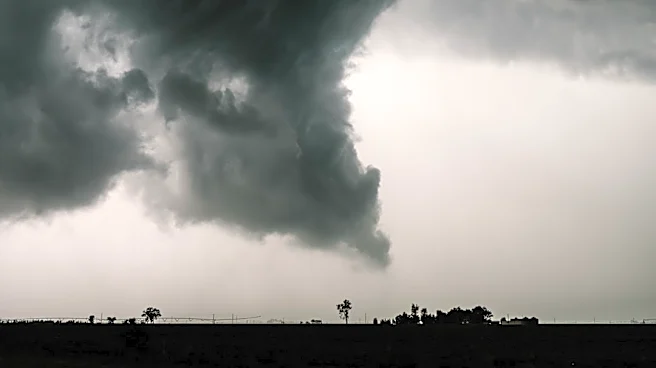
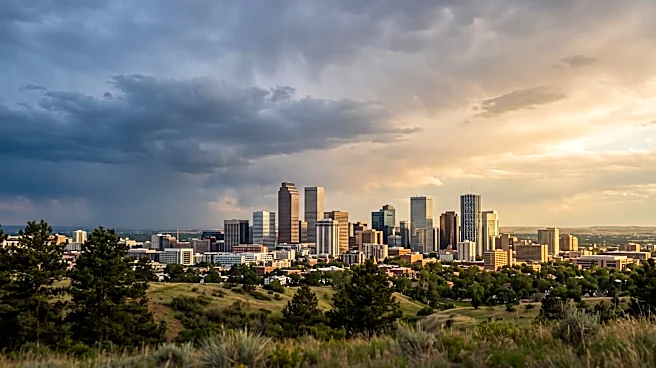
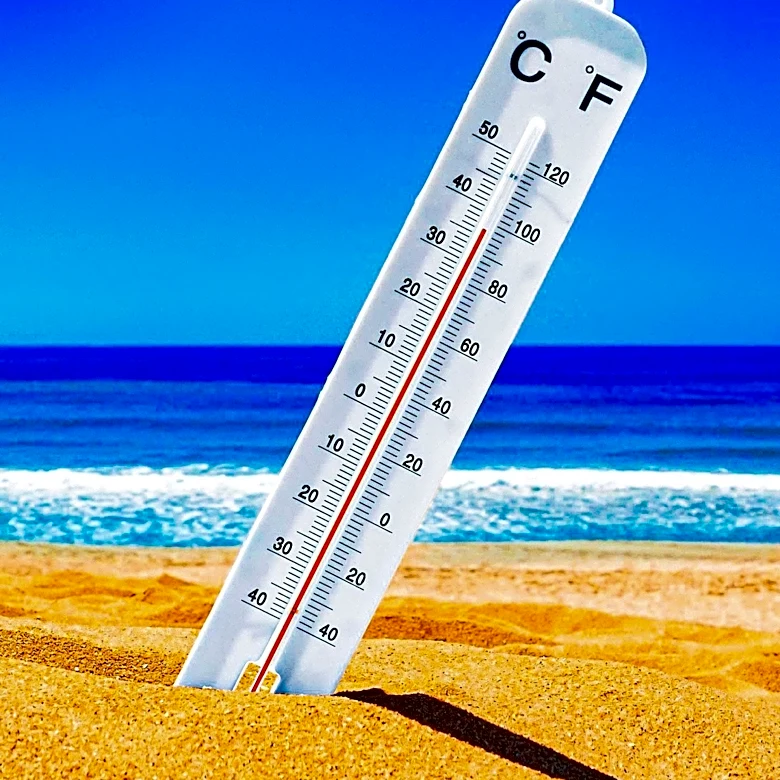
Denver is currently experiencing unseasonably warm weather for September, with the National Weather Service forecasting a high of 87 degrees on Tuesday. There is a 30% chance of afternoon rain, which could bring localized hail and more severe weather patterns,
though Denver itself is expected to be largely unaffected by the more intense storms. Wind speeds are predicted to remain light, staying under 8 miles per hour throughout the day. Looking ahead, temperatures are expected to climb into the 90s from Wednesday through Friday, with a low chance of precipitation. However, weather patterns are anticipated to shift by the weekend, bringing an increased likelihood of rain. Tuesday night's low is projected to be 60 degrees, with any chance of rain ceasing by 9 p.m.
Why It's Important?
The fluctuating weather patterns in Denver, characterized by warm temperatures followed by potential rain and then a return to high heat, can have several implications for residents and local industries. For agriculture, sudden shifts in temperature and precipitation can impact crop health and water management. For the energy sector, sustained high temperatures will likely increase demand for air conditioning, potentially straining the power grid. The possibility of localized severe weather, even if Denver is mostly unaffected, highlights the broader regional climate variability that can pose risks to infrastructure and public safety. Furthermore, the extended period of warm weather into September could influence outdoor recreational activities and local businesses dependent on seasonal tourism, potentially extending the summer season's economic benefits or altering typical autumn activities.
What's Next?
Residents should prepare for continued warm conditions through the end of the week, with temperatures reaching into the 90s. The National Weather Service indicates a change in weather patterns by the upcoming weekend, suggesting an increased chance of rain. This shift could bring relief from the high temperatures but also necessitates preparedness for potential precipitation. Local authorities and utility companies will likely monitor weather conditions closely, especially concerning potential strain on the power grid due to increased cooling demands during the mid-week heatwave. Individuals planning outdoor activities should stay updated on the latest forecasts, particularly regarding the possibility of afternoon rain and the anticipated weekend weather changes.
Beyond the Headlines
The persistence of summer-like temperatures well into September in Denver, followed by rapid shifts in weather, underscores broader discussions about climate variability and its impact on urban environments. Such patterns can influence long-term water resource management strategies, as well as urban planning decisions related to heat island effects and storm water infrastructure. The potential for localized severe weather, even if not directly impacting the city center, highlights the interconnectedness of regional weather systems and the need for comprehensive disaster preparedness. These weather trends also contribute to ongoing conversations about climate adaptation and resilience in rapidly growing metropolitan areas like Denver, prompting consideration of sustainable practices and infrastructure investments to mitigate future environmental challenges.