








What's Happening?
The Global Report on Food Crises 2026, released by the Global Network Against Food Crises in collaboration with UN agencies, reveals that Pakistan ranks eighth in terms of the absolute number of people facing acute food insecurity, with around 11 million
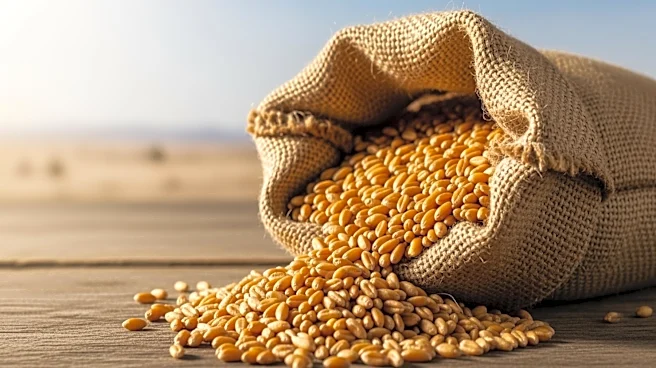
affected. The report highlights that the assessment covered only 21% of Pakistan's population, suggesting that the actual situation might be more severe. The ongoing war in Iran has disrupted fertilizer supplies, impacting crop yields globally, while rising fuel prices have increased production costs. Pakistan's wheat production has declined due to unfavorable weather, potentially necessitating imports, which could strain the country's foreign exchange reserves.
Why It's Important?
Pakistan's food security situation is precarious, with potential for further deterioration due to both domestic and international pressures. The country's agriculture sector, despite having the potential to feed its population, faces challenges such as structural weaknesses, flawed policies, and market failures. The situation is exacerbated by rising inflation, high population growth, and declining agricultural productivity. The report underscores the need for comprehensive crop planning and improved agricultural marketing systems to ensure food availability and affordability. Failure to address these issues could lead to chronic food insecurity, affecting millions of people.
What's Next?
To mitigate the food crisis, Pakistan may need to import wheat, which could further strain its economy. The government might consider policy changes, such as allowing flour mills to blend maize with wheat flour, to manage domestic food supplies. Additionally, there is a need for long-term strategies to enhance agricultural productivity and resilience, including better resource management and support for farmers. International cooperation and assistance may also play a role in addressing the immediate and structural challenges facing Pakistan's food security.
Beyond the Headlines
The food insecurity in Pakistan highlights broader issues of economic vulnerability and the impact of geopolitical conflicts on global food systems. The situation calls for a reevaluation of agricultural priorities and policies to ensure sustainable food production. It also raises ethical concerns about the equitable distribution of resources and the need for international solidarity in addressing food crises. The focus on gender equality in the maritime industry could lead to long-term cultural shifts, challenging traditional gender roles and stereotypes. As more women enter and succeed in maritime professions, it may inspire future generations to pursue careers in this field. Furthermore, the increased diversity could enhance innovation and problem-solving within the industry, as diverse teams often bring varied perspectives and ideas.