




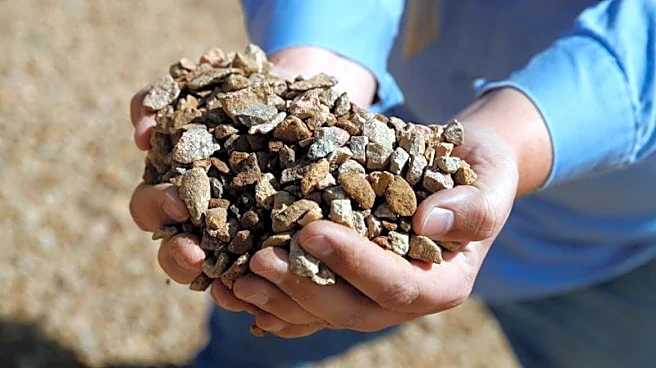
What's Happening?
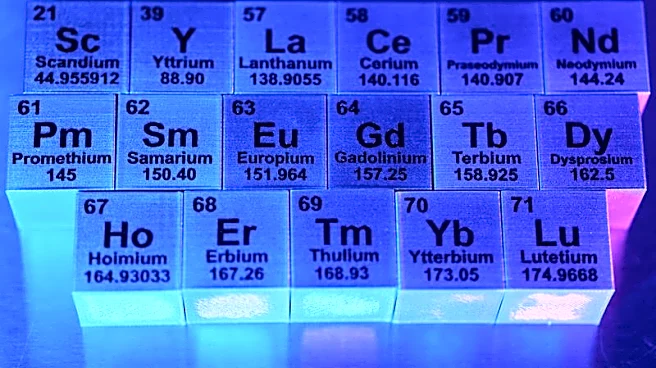
The U.S. International Development Finance Corporation (DFC) has committed $4.84 million to a rare earths project in Madagascar, operated by Harena Rare Earths Plc. This investment is part of a broader U.S. strategy to reduce reliance on China, which
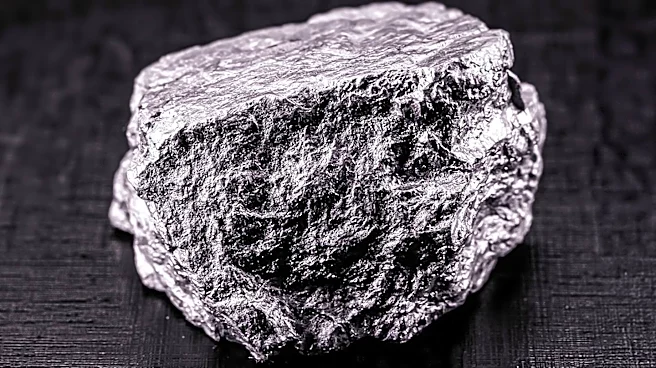
currently dominates over 70% of global rare earth production. The Ampasindava project aims to produce approximately 4,000 metric tons of rare earth oxides annually by 2028, focusing on high-value magnet materials essential for various technologies. The project is in the permitting and study phase, with commercial production expected in the coming years.
Why It's Important?
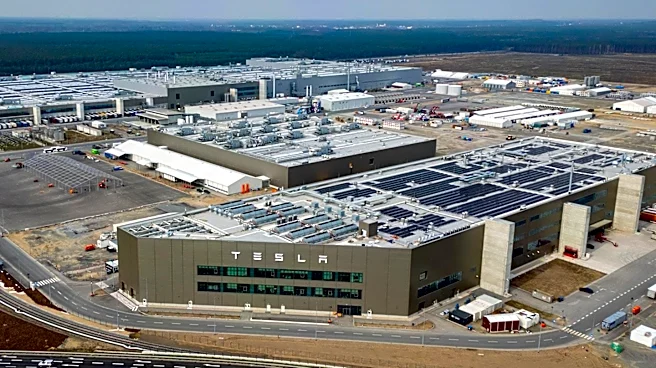
Rare earth elements are critical for the production of technologies such as electric vehicles, wind turbines, and defense systems. By investing in the Madagascar project, the U.S. is taking steps to diversify its supply chains and reduce dependency on Chinese rare earths. This move is strategically significant as it aligns with national security interests and supports the development of a more resilient and independent supply chain for critical minerals. The investment also signals U.S. commitment to supporting global projects that can contribute to a more balanced distribution of rare earth production.
What's Next?
The success of the Ampasindava project will depend on overcoming challenges related to political stability, permitting, and infrastructure development in Madagascar. As the project progresses, it may attract further investment and partnerships, potentially accelerating its timeline. The U.S. may continue to explore similar opportunities in other regions to further diversify its rare earth supply. The outcome of this project could influence future policy decisions and investment strategies related to critical minerals.